
Getting Started with Wildfire Smoke Safety
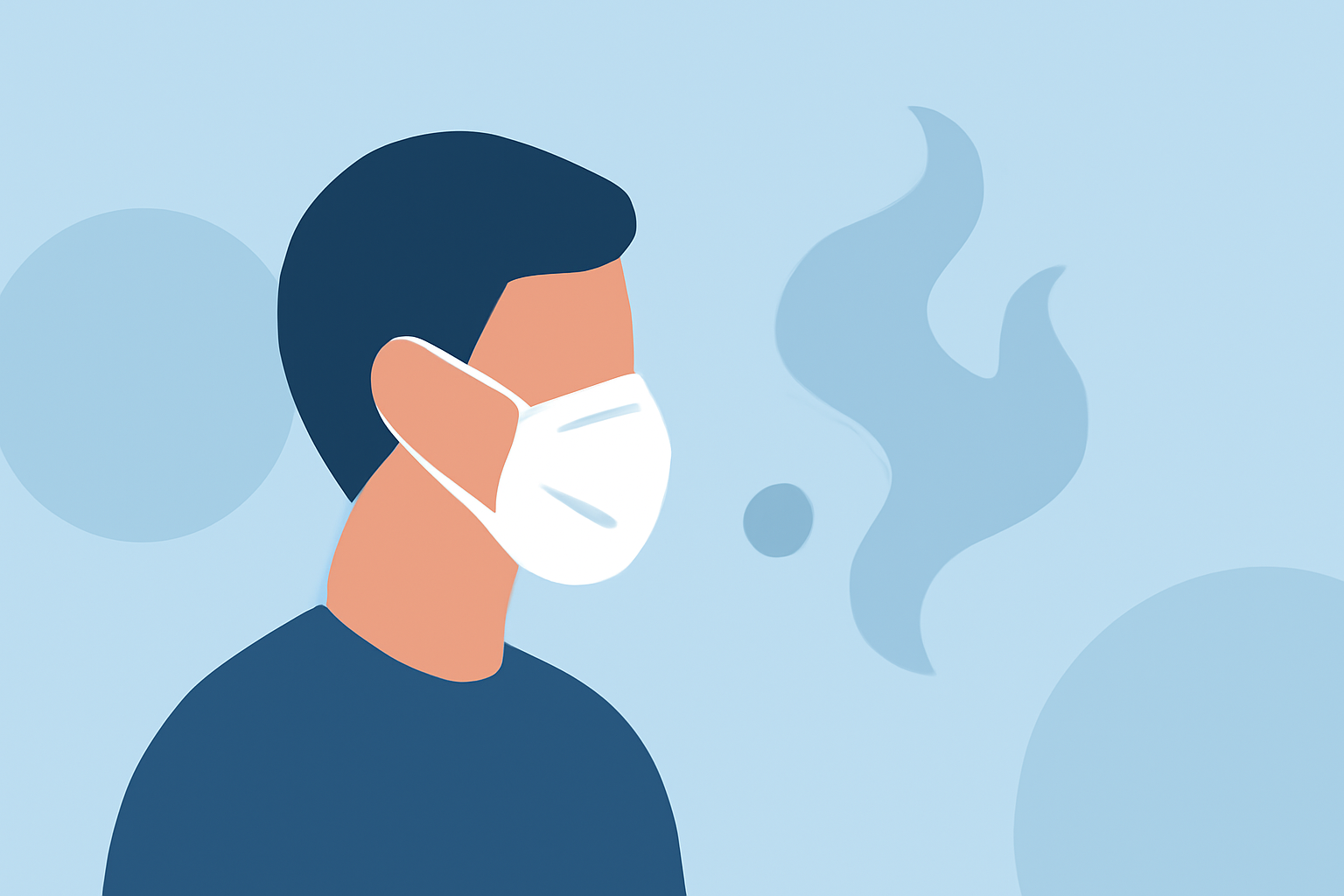
Wildfires pose significant health risks due to the smoke they produce, which can travel vast distances, affecting air quality even in areas far from the fire's origin. Understanding how to protect yourself and your loved ones is crucial, especially during wildfire seasons.
What Are the Health Risks of Wildfire Smoke?
Wildfire smoke is a complex mixture of gases and fine particles from burning trees, plants, and other materials. Breathing in this smoke can lead to immediate health effects such as coughing, difficulty breathing, wheezing, and eye irritation. Long-term exposure may increase the risk of chronic respiratory issues, heart disease, and other health problems. Certain groups, including children, the elderly, and individuals with pre-existing health conditions like asthma or heart disease, are particularly vulnerable. (cdc.gov)
How Can I Protect Myself from Wildfire Smoke?
-
Stay Informed: Regularly check your local air quality using the Air Quality Index (AQI) at AirNow.gov. This resource provides real-time updates on air quality in your area. (cdc.gov)
-
Limit Outdoor Activities: During periods of poor air quality, reduce outdoor activities, especially strenuous exercises. If you must go outside, wear a well-fitting N95 or KN95 mask to filter out harmful particles. (axios.com)
-
Create a Clean Indoor Environment: Keep windows and doors closed to prevent smoke from entering your home. Use air purifiers with HEPA filters to improve indoor air quality. Avoid using tobacco, candles, or gas appliances indoors, as they can worsen indoor air pollution. (cdc.gov)
-
Protect Vulnerable Individuals: Children, the elderly, and those with existing health conditions should take extra precautions. Ensure they stay indoors during periods of poor air quality and consult healthcare providers for personalized advice. (cdc.gov)
What Should I Do After a Wildfire?
-
Monitor Air Quality: Even after a wildfire has been extinguished, smoke can linger in the air. Continue to monitor air quality reports and take necessary precautions. (cdc.gov)
-
Clean Up Safely: If your property was affected by smoke or ash, wear protective gear such as gloves, long-sleeved shirts, long pants, and shoes to minimize exposure. Use goggles to protect your eyes and a NIOSH-approved N95 respirator to reduce inhalation of ash particles. (cdc.gov)
-
Stay Alert for Health Symptoms: Be vigilant for any new or worsening health symptoms, especially respiratory issues. Seek medical attention if you experience persistent symptoms. (cdc.gov)
How Can I Prepare for Future Wildfires?
-
Develop an Emergency Plan: Create a family disaster plan that includes evacuation routes, communication strategies, and emergency contacts. Practice this plan regularly to ensure everyone knows what to do in case of a wildfire. (cdc.gov)
-
Prepare Your Home: Maintain a defensible space around your property by clearing away dead vegetation and using fire-resistant materials in construction. Regularly clean gutters and roofs to remove debris that could catch fire. (cdc.gov)
By staying informed, taking proactive measures, and being prepared, you can significantly reduce the health risks associated with wildfire smoke.
Highlights:
- These U.S. regions are blanketed in wildfire smoke. Here's what to know, Published on Wednesday, August 06,turn0news14