
Getting Started with Wildfire Smoke Safety: A Step-by-Step Guide
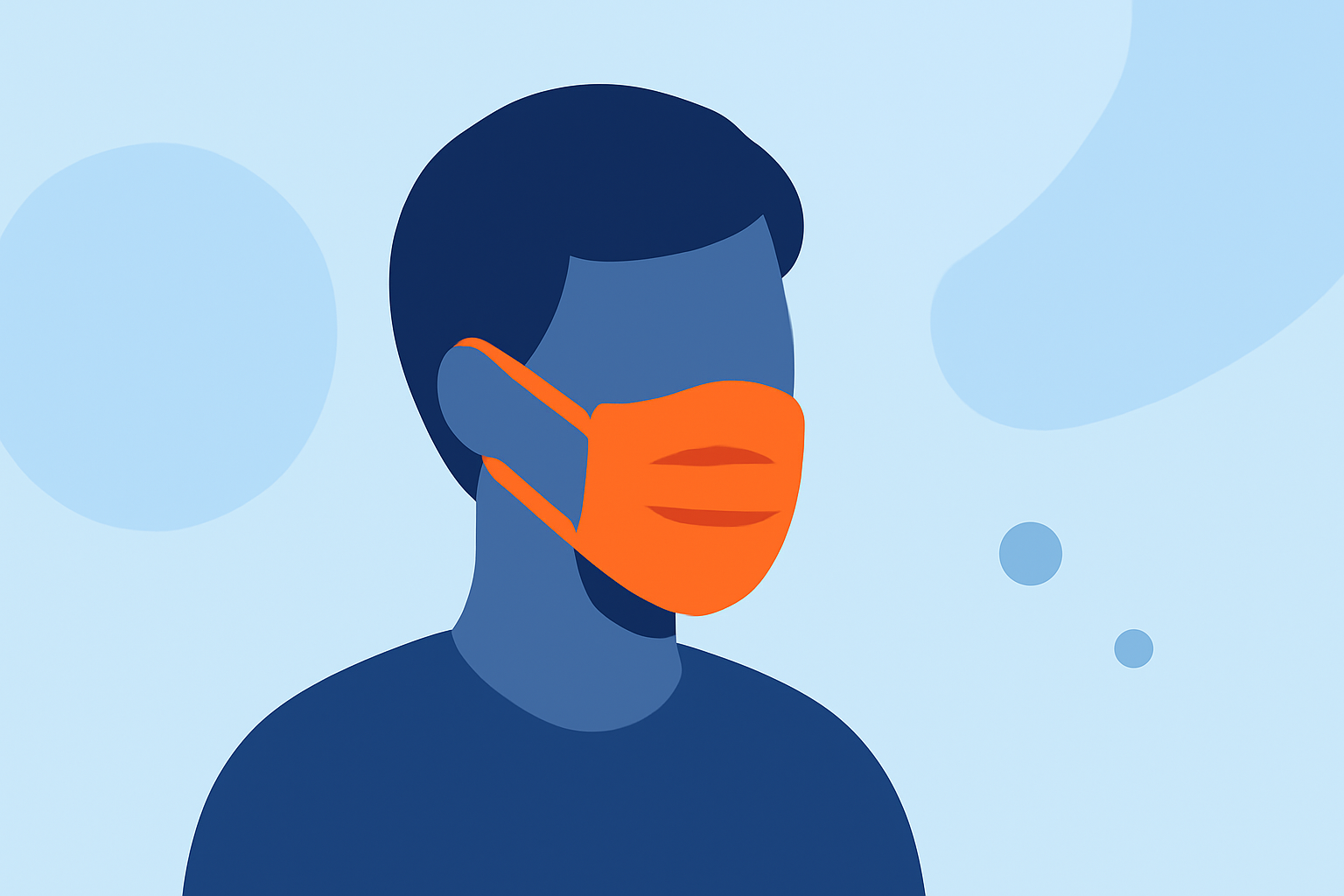
Wildfires pose significant health risks due to the smoke, soot, and toxic particles they disperse. Exposure can lead to respiratory and heart problems, and elevated risks for conditions like diabetes, kidney disease, and high blood pressure. It's crucial to take proactive measures to safeguard your health during wildfire events.
1. How Can I Monitor Air Quality During Wildfires?
Stay informed about local air quality by checking the Air Quality Index (AQI) at airnow.gov or through your phone's weather app. The AQI provides real-time data on air pollution levels, helping you make informed decisions about outdoor activities. If authorities advise staying indoors, it's essential to follow their guidance. (cdc.gov)
2. What Are Effective Ways to Protect Myself from Wildfire Smoke?
-
Stay Indoors: Limit outdoor activities, especially during periods of heavy smoke.
-
Create a Clean Room: Designate a room in your home to keep smoke out. Use a portable air cleaner or filter to maintain air quality. Avoid burning candles, incense, or using gas stoves, as these can worsen indoor air pollution. (cdc.gov)
-
Use Respirators When Necessary: If you must go outside, wear a well-fitting NIOSH-approved N95 or P100 respirator to filter out harmful particles. Ensure the respirator fits snugly to be effective. (cdc.gov)
3. How Does Wildfire Smoke Affect Health?
Wildfire smoke contains fine particles that can irritate the eyes, nose, throat, and lungs, leading to symptoms like coughing, wheezing, and difficulty breathing. Individuals with chronic conditions such as asthma, COPD, heart disease, diabetes, chronic kidney disease, or those who are pregnant are particularly vulnerable. It's important to monitor your health and seek medical attention if symptoms worsen. (cdc.gov)
4. What Should I Do if I Have a Chronic Health Condition?
If you have a chronic health condition, consult your healthcare provider to develop a plan for protecting yourself during wildfire smoke events. Ensure you have a sufficient supply of medications and avoid strenuous outdoor activities when air quality is poor. (cdc.gov)
5. How Can I Protect My Pets During Wildfire Events?
Pets are also susceptible to the effects of wildfire smoke. Keep them indoors with windows closed to minimize exposure. Ensure they have access to fresh water and monitor them for signs of distress. If you have livestock, provide them with clean water and shelter from smoke. (cdc.gov)
6. What Should I Do After a Wildfire?
After a wildfire, continue to monitor air quality reports. If your home was affected, wait until authorities declare it safe to return. When cleaning up, wear protective gear such as gloves, long-sleeved shirts, long pants, and shoes to protect your skin from ash. Use a NIOSH-approved N95 respirator to reduce inhalation of ash particles. (cdc.gov)
By following these steps, you can significantly reduce the health risks associated with wildfire smoke and protect yourself and your loved ones during wildfire events.
Highlights:
- Wildfire Smoke Can Be Terrible For Your Health. Here's How to Stay Safe, Published on Tuesday, October 10
- What to know about wildfire smoke, as fires become more frequent and extreme, Published on Thursday, January 16
- Your Questions About Wildfire Smoke and Health, Answered, Published on Thursday, January 09