
Getting Started with Wind Chill Basics for Commuters
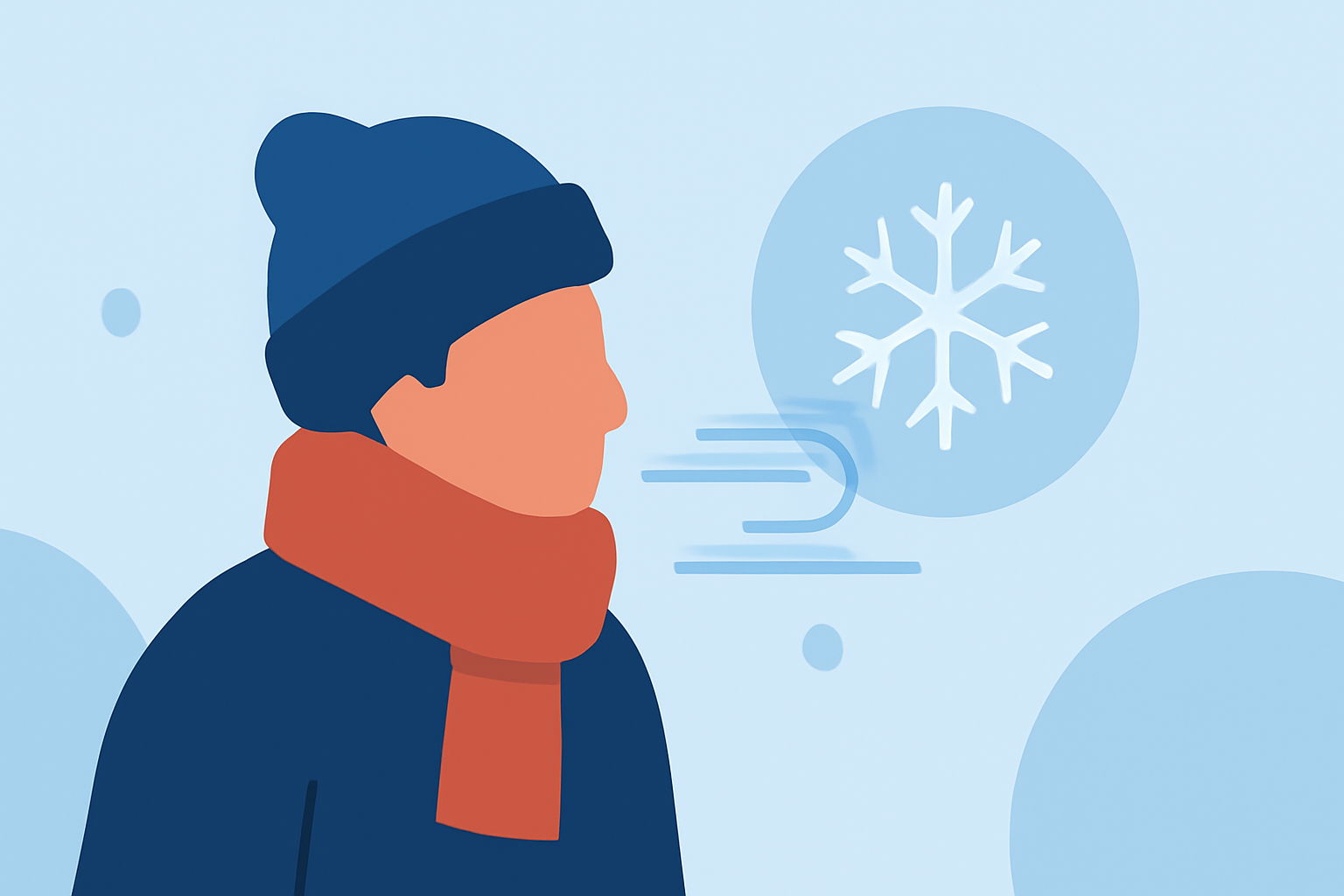
Wind chill is a critical factor for commuters during colder months, as it significantly influences how cold the air feels and impacts personal safety.
What Is Wind Chill?
Wind chill refers to the combined effect of wind and cold temperatures on exposed skin, making it feel colder than the actual air temperature. As wind speed increases, it accelerates the loss of heat from the body, lowering skin temperature and increasing the risk of frostbite and hypothermia. For instance, at an air temperature of 0°F (-18°C) with a wind speed of 15 mph (24 km/h), the wind chill temperature is -19°F (-28°C), which can cause exposed skin to freeze in just a few minutes. (prod-01-alb-www-noaa.woc.noaa.gov)
How Does Wind Chill Affect Commuters?
For commuters, wind chill can make outdoor activities, such as walking to public transportation or waiting at bus stops, more hazardous. The increased risk of frostbite and hypothermia necessitates additional precautions to ensure safety.
Understanding Wind Chill Calculations
Wind chill is calculated using a formula that considers both air temperature and wind speed. The National Weather Service provides a wind chill chart to help determine the "feels-like" temperature based on these factors. For example, at an air temperature of 20°F (-6°C) with a wind speed of 20 mph (32 km/h), the wind chill temperature is 4°F (-16°C). (weather.gov)
Safety Tips for Commuters
To protect yourself during cold, windy conditions:
-
Dress in Layers: Wear multiple layers of clothing to trap heat. Outer garments should be tightly woven, water-repellent, and hooded. Mittens are more effective than gloves in keeping hands warm. (weather.gov)
-
Limit Exposure: Minimize time spent outdoors during extreme cold and wind. If possible, wait inside until it's time to leave.
-
Stay Dry: Wet clothing can increase heat loss. Choose moisture-wicking fabrics and avoid cotton, which retains moisture.
-
Protect Extremities: Cover exposed skin, including ears, nose, and cheeks, to prevent frostbite.
-
Monitor Weather Conditions: Stay informed about local weather forecasts and wind chill advisories to plan your commute accordingly.
When to Seek Shelter
If wind chill temperatures are dangerously low, it's advisable to seek shelter until conditions improve. Frostbite can occur in minutes under severe wind chill conditions, so err on the side of caution.
By understanding wind chill and taking appropriate precautions, commuters can navigate cold weather more safely and comfortably.