
Getting Started with Wireless Emergency Alerts During Heat Waves
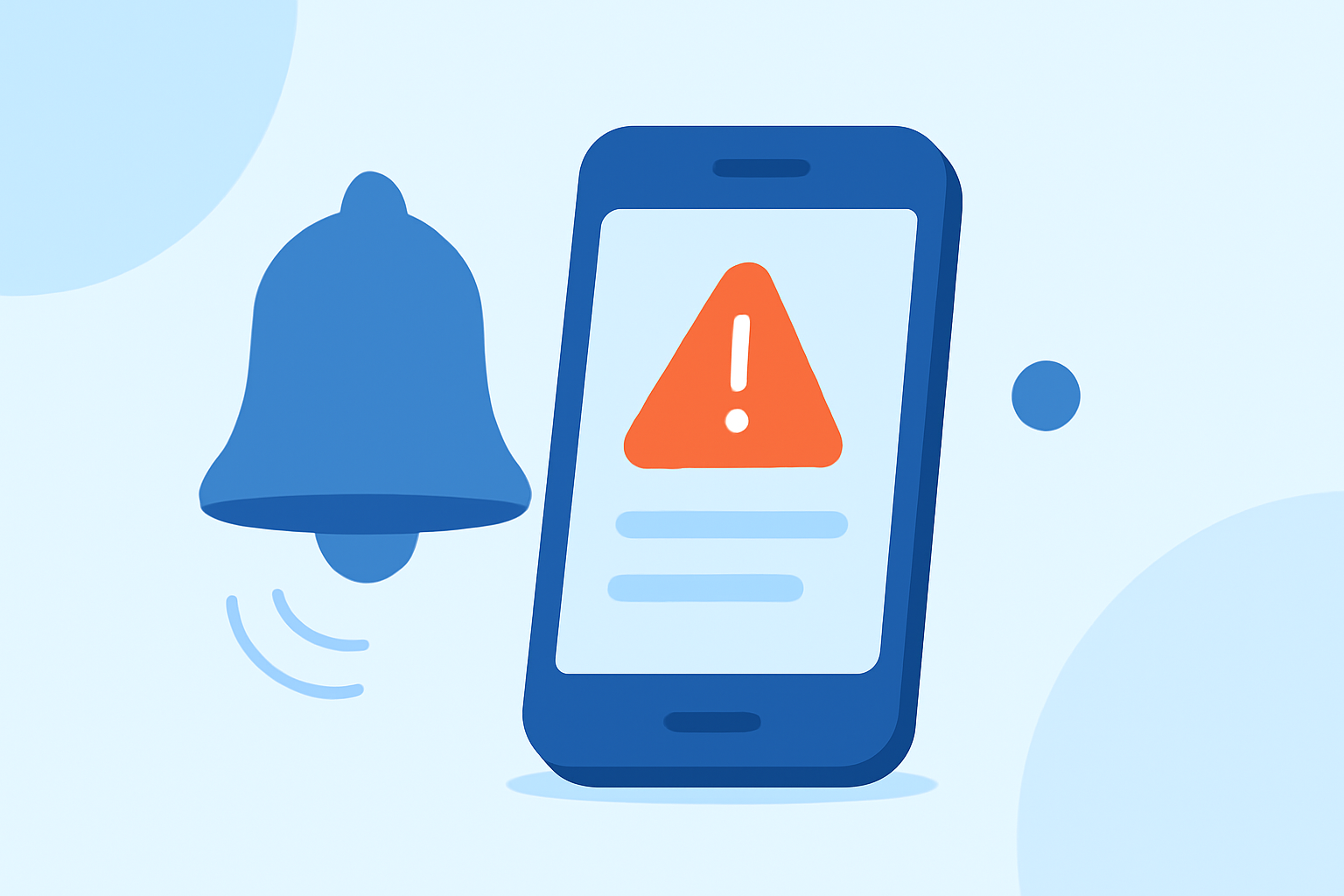
Heat waves are among the most dangerous weather events in the United States, often leading to heat-related illnesses and fatalities. Staying informed about extreme heat conditions is crucial for your safety. One effective way to receive timely information is through Wireless Emergency Alerts (WEA).
What Are Wireless Emergency Alerts (WEA)?
WEA are emergency messages sent by authorized government authorities directly to your mobile device. These alerts provide critical information about emergencies in your area, including extreme weather events like heat waves. WEA messages are free and do not impact your voice, messaging, or data usage. (uscellular.com)
How Do WEA Work?
When a heat wave is imminent or ongoing, local, state, or federal agencies can issue WEA to inform the public. These alerts are broadcast to WEA-capable devices within the affected area, ensuring that individuals receive timely warnings. The messages typically include the type of alert, the affected area, and recommended actions to take. (weather.gov)
Types of Alerts You Might Receive
During heat waves, you may receive the following types of WEA:
-
Imminent Threat Alerts: Warn of severe weather or other disasters that pose a threat to life or property.
-
Public Safety Messages: Provide information on imminent threats and prescribe actions likely to save lives or safeguard property.
-
AMBER Alerts: Notify communities about missing children.
-
Presidential Alerts: Issued by the U.S. president during a national emergency.
It's important to note that you cannot opt out of Presidential Alerts. (t-mobile.com)
Receiving WEA on Your Device
To receive WEA, ensure your mobile device is WEA-capable and that the feature is enabled. Most modern smartphones support WEA, but it's advisable to check your device's specifications. When a WEA is issued, your device will display a message with a unique tone and vibration, repeated twice, to alert you to the emergency. (weather.gov)
Taking Action Upon Receiving a WEA
If you receive a WEA during a heat wave, follow the recommended actions provided in the alert. These may include staying indoors, drinking plenty of fluids, and avoiding strenuous activities. For more detailed information, consult local media, the National Weather Service, or other trusted sources. (weather.gov)
Clime's Role in Heat Wave Preparedness
Clime offers comprehensive weather information and alerts, including heat wave warnings, to help you stay informed and prepared. By utilizing Clime's services, you can receive timely updates and guidance to protect yourself during extreme heat events.
By understanding and utilizing Wireless Emergency Alerts, you can enhance your preparedness and safety during heat waves. Stay informed, stay safe, and take proactive steps to protect yourself and your loved ones.