
Essential Guide to Grass Cutting During Winter Storms: Mistakes to Avoid
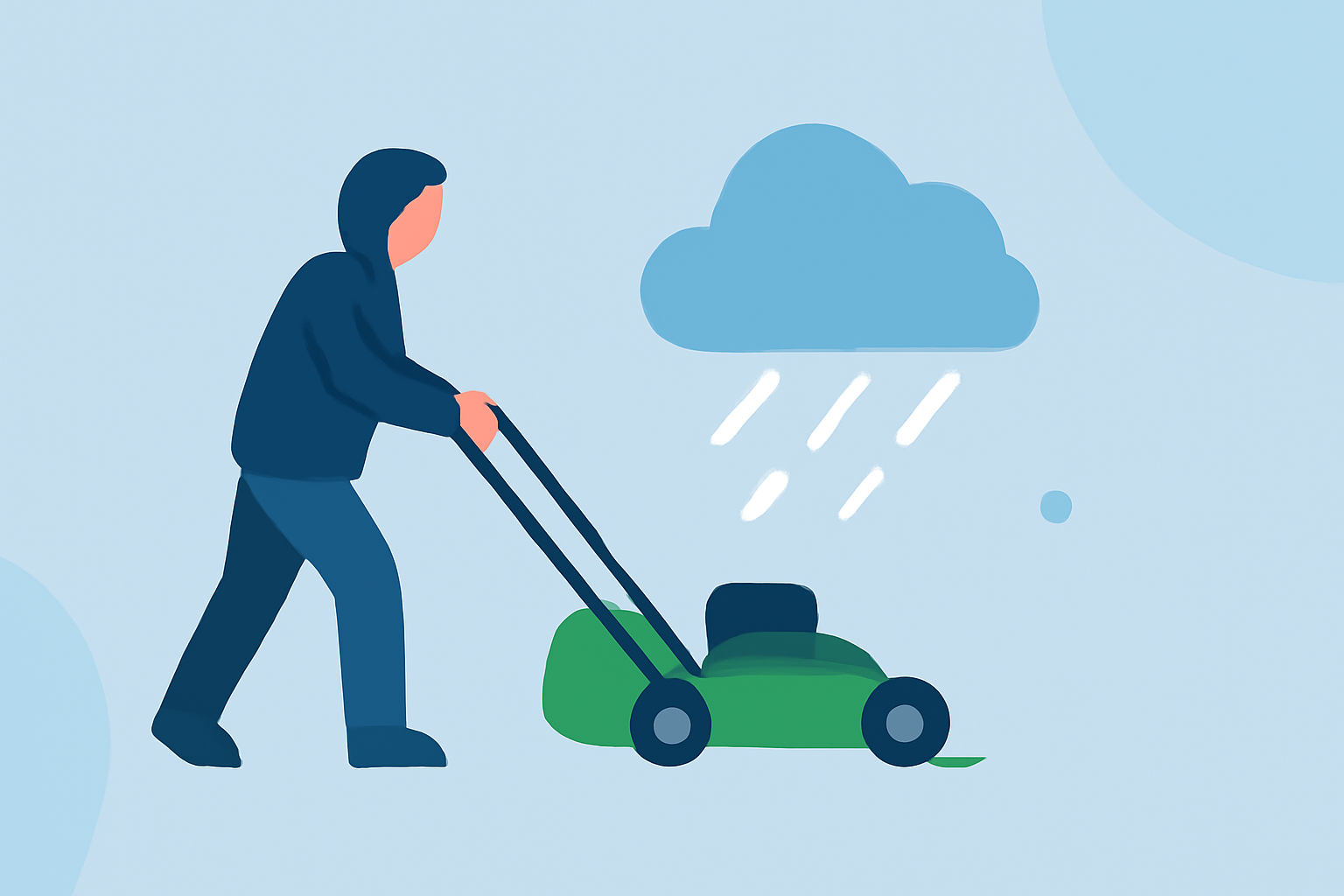
Maintaining your lawn during winter storms requires careful attention to prevent damage and ensure healthy growth. Here are common mistakes to avoid:
1. Mowing Frozen or Frost-Covered Grass
Cutting grass when it's frozen or covered with frost can cause blades to shatter, leading to long-term damage. It's best to wait until conditions are warmer and the grass is thawed before mowing. (lawnstarter.com)
2. Walking on Frozen or Snow-Covered Lawns
Walking on frozen or snow-covered grass can compact the soil, reducing oxygen availability to the roots. This compaction can harm the grass and hinder its growth. (lifetips.alibaba.com)
3. Using Salt or Chemical Deicers Carelessly
Applying salt or chemical deicers without caution can damage your lawn. These substances can burn grass and harm soil health. It's important to use them sparingly and follow guidelines to minimize damage. (lawnstarter.com)
4. Mowing Too Short Before Winter
Cutting grass too short before winter can expose roots to cold air and frost, leading to patchy and yellow lawns in spring. It's recommended to mow cool-season grasses at 2 to 2.5 inches before winter and to maintain the regular recommended mowing height for warm-season grasses. (lawnstarter.com)
5. Ignoring Snow Mold Prevention
Failing to prevent snow mold can lead to lawn diseases. Proper lawn care, such as removing leaves and debris before snowfall, can help prevent this issue. (lawnstarter.com)
6. Not Winterizing Your Irrigation System
Neglecting to winterize your irrigation system can cause pipes to freeze and burst, leading to costly repairs. It's essential to prepare your system for winter to avoid these problems. (lawnstarter.com)
7. Overwatering or Underwatering
Not watering or overwatering your lawn during winter can harm grass health. It's important to adjust watering practices based on weather conditions to maintain optimal soil moisture. (lawnstarter.com)
8. Using Dull Mower Blades
Mowing with dull blades can tear grass rather than cutting it cleanly, leading to a ragged appearance and increased susceptibility to disease. Ensure your mower blades are sharp before mowing. (jtgardens.ie)
9. Mowing Wet Grass
Mowing wet grass can damage the roots and result in an uneven cut. It's advisable to mow only when the grass is dry. (ariens.com)
10. Overpruning
Overpruning can deplete the energy reserves trees store in their branches to survive the cold and sprout in spring. Instead, prune only dead, damaged, or diseased branches and always check for weak or broken limbs before the winter storm season to prevent hazards. (tomsguide.com)
By avoiding these common mistakes, you can help ensure your lawn remains healthy and vibrant throughout the winter months.
Highlights:
- Experts reveal how long after rain you should wait to cut the grass to avoid causing damage, Published on Monday, June 15
- Is it too late to cut your lawn before winter: Experts share how to keep it healthy, Published on Friday, October 17
- This is when to make your final mow of the year before winter sets in - for the healthiest lawn next spring, Published on Saturday, October 04