
Comprehensive Guide to Grass Pollen Allergies in the United States
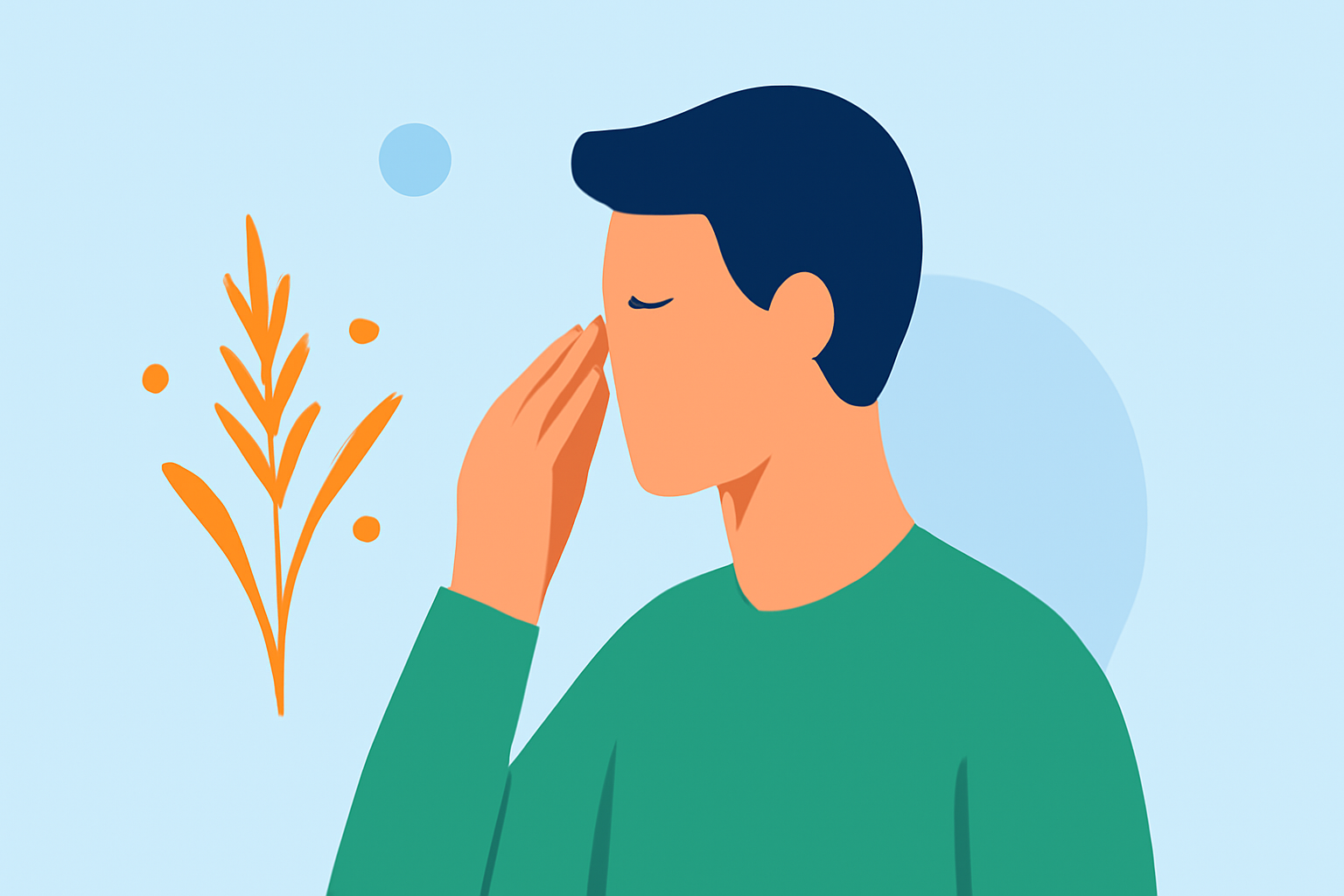
Grass pollen allergies, commonly known as hay fever, affect millions of individuals across the United States, particularly during late spring and summer months. Understanding the causes, symptoms, and management strategies is essential for those seeking relief.
What Are Grass Pollen Allergies?
Grass pollen allergies occur when the immune system overreacts to pollen released by certain grass species. This reaction leads to inflammation in the nasal passages and other parts of the respiratory system, resulting in various symptoms.
Common Symptoms of Grass Pollen Allergies
Individuals with grass pollen allergies may experience:
- Sneezing: Frequent, sudden sneezing episodes.
- Runny or Stuffy Nose: Clear nasal discharge or congestion.
- Itchy Eyes, Nose, or Throat: A sensation of itching in these areas.
- Coughing: Persistent cough due to throat irritation.
- Fatigue: Feeling unusually tired or lethargic.
Common Grass Species That Cause Allergies
Several grass species are known to produce pollen that triggers allergic reactions. The most significant culprits include:
- Bermuda Grass: Common in southern regions.
- Kentucky Bluegrass: Widespread across the U.S.
- Ryegrass: Found in various parts of the country.
- Orchard Grass: Present in many areas.
- Sweet Vernal Grass: Known for its strong odor.
- Timothy Grass: Often used as hay for animals.
These grasses release pollen during their flowering periods, which can vary by region and species. For instance, in the Midwest, grass pollen levels are typically highest in July, while in the Southeast, the season can last up to six months, with peak levels from June to August. (pollen.com)
How to Manage Grass Pollen Allergies
Effective management strategies include:
- Monitoring Pollen Levels: Stay informed about local pollen counts to anticipate high pollen days.
- Limiting Outdoor Activities: On days with high pollen counts, reduce time spent outdoors, especially during peak pollen release times, typically early morning and evening.
- Creating an Allergy-Free Zone: Keep windows closed and use air conditioning to filter indoor air.
- Showering After Outdoor Exposure: Wash off pollen from skin and hair to prevent it from spreading indoors.
- Using Air Purifiers: Employ HEPA filters to reduce indoor pollen levels.
- Consulting Healthcare Professionals: Seek advice on over-the-counter or prescription medications, such as antihistamines or nasal corticosteroids, to alleviate symptoms.
When to Seek Medical Attention
If allergy symptoms are severe, persistent, or interfere with daily activities, it's advisable to consult a healthcare provider. They can offer personalized treatment plans, which may include allergy testing or immunotherapy.
How Clime Can Help
Clime offers a comprehensive solution for managing environmental factors that affect health, including pollen levels. By providing real-time data and personalized recommendations, Clime empowers users to make informed decisions and take proactive steps to mitigate allergy symptoms.
By understanding the causes and implementing effective management strategies, individuals can better navigate the challenges posed by grass pollen allergies.
Highlights:
- List of Top Pollen Offenders | Healthline, Published on Sunday, March 03
- Pollen Allergy: Types, Symptoms, Causes, Treatment & More, Published on Monday, November 11
- Grass allergy: Types, symptoms, and treatments, Published on Sunday, May 31