
A Beginner's Guide to Grass Pollen
Last updated: 2023-09-12
Understanding grass pollen is essential for anyone interested in managing allergies effectively. Utilizing a reliable app like Clime can provide real-time local forecasts and pollen alerts, helping you better plan outdoor activities. For specific regional forecasts, consider a specialized pollen tracking tool.
Summary
- Grass pollen is a significant allergen released in late spring and early summer.
- Weather conditions greatly influence pollen counts, with warm and windy days often exacerbating levels.
- Local pollen forecasts assist in planning outdoor activities and managing exposure.
- A comprehensive weather app can provide real-time alerts about pollen levels, supporting better lifestyle choices.
What Is Grass Pollen?
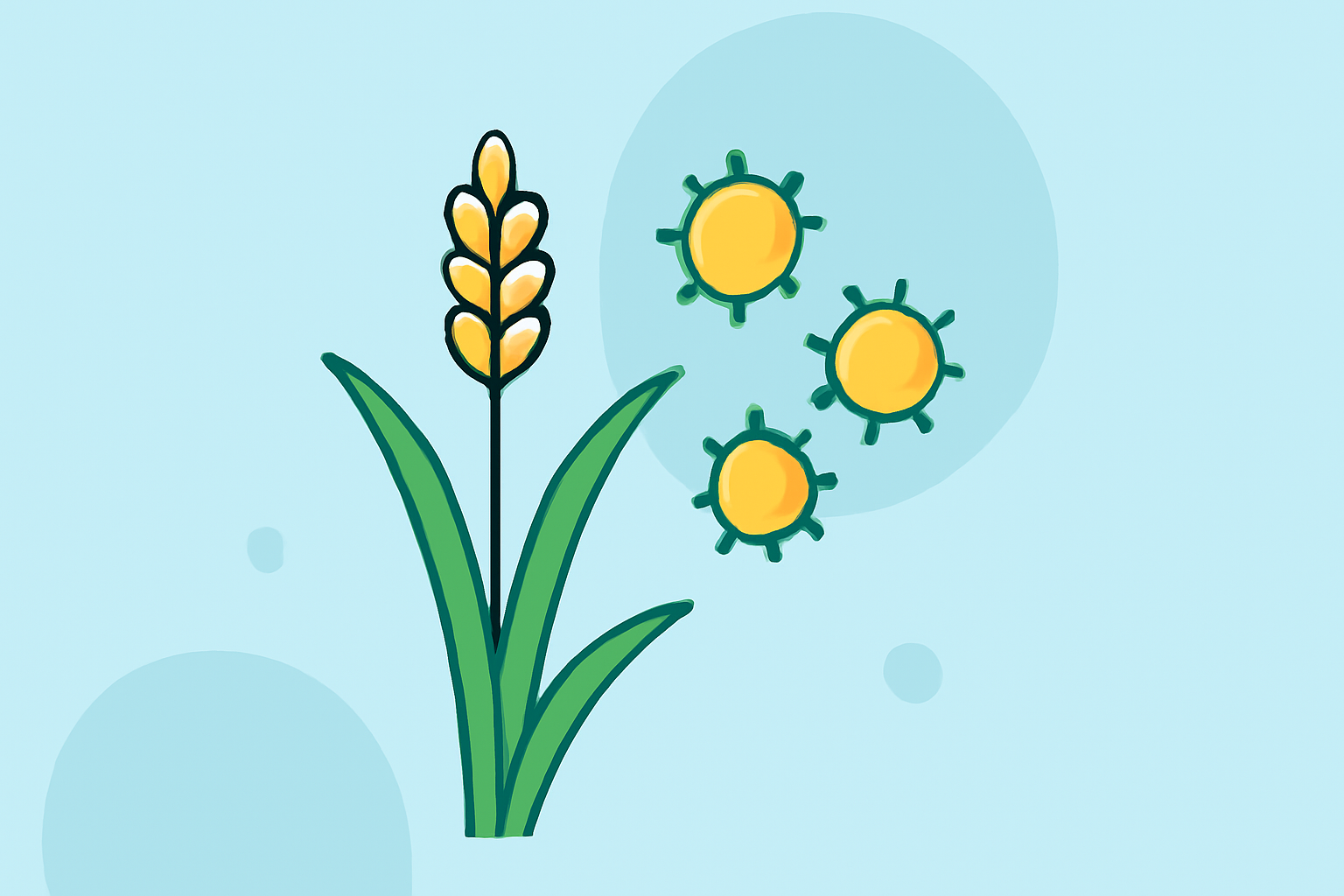
Grass pollen consists of microscopic particles produced by grass plants for reproduction. These tiny grains are a common allergen that can cause discomfort during specific seasons. Understanding your body's response to these allergens is essential to managing your symptoms effectively. Typically, grass pollen is released in late spring to early summer, peaking during warm, dry weather.
When Does Grass Pollen Peak?
Grass pollen levels tend to peak during the summer months, especially on warm, windy days. Research indicates that pollen counts can rise dramatically with weather fluctuations, requiring individuals to stay vigilant about local forecasts. When air is dry and breezy, pollen grains can travel further, impacting allergy sufferers even in regions without nearby grass fields.
How Weather Affects Pollen Levels
Weather plays a crucial role in pollen concentration. Higher temperatures and wind can elevate pollen counts, making it more challenging for sensitive individuals. Monitoring daily weather conditions can help you anticipate where pollen levels may be high. Clime’s weather forecasts allow you to keep track of the conditions affecting grass pollen, enabling more informed outdoor decisions.
Reading Pollen Reports
Pollen forecasts provide predictions about pollen levels, giving insights for planning outdoor activities. An understanding of pollen counts can help when deciding the best times to be outside. Tools like Clime can help keep pollen levels on your radar, allowing you to view daily or weekly trends in your local area.
Tips for Managing Grass Pollen Allergies
Managing allergies effectively requires both proactive measures and responsive actions. Consider the following tips:
- Limit Outdoor Activities: On days with high pollen counts, try to reduce your time outdoors, especially during peak pollen hours.
- Keep Windows Closed: Prevent pollen from entering your home by using air conditioning instead of opening windows.
- Shower After Outdoor Activities: Washing off pollen from your skin and hair can reduce symptoms.
- Use Medication as Needed: Consult a healthcare professional for appropriate medications to alleviate symptoms if necessary.
Seasonal Guidance with Clime
Using Clime, you can track not only the weather but also pollen counts and receive alerts for spikes. With the app's advanced features, users can configure location-specific, real-time notifications for grass pollen levels. As a versatile weather tracking tool, Clime equips you with the necessary insights to help mitigate allergy symptoms effectively.
What We Recommend
- Use Clime for personalized weather forecasts and pollen counts in your area.
- Pay attention to local weather conditions, especially during late spring and summer, when pollen levels are at their peak.
- Consult healthcare professionals for personalized advice on managing grass pollen allergies.
- Monitor pollen trends to plan outdoor activities when levels are lower, particularly during early mornings or after rainfall.