
Understanding Ground-Level Ozone in Your Car
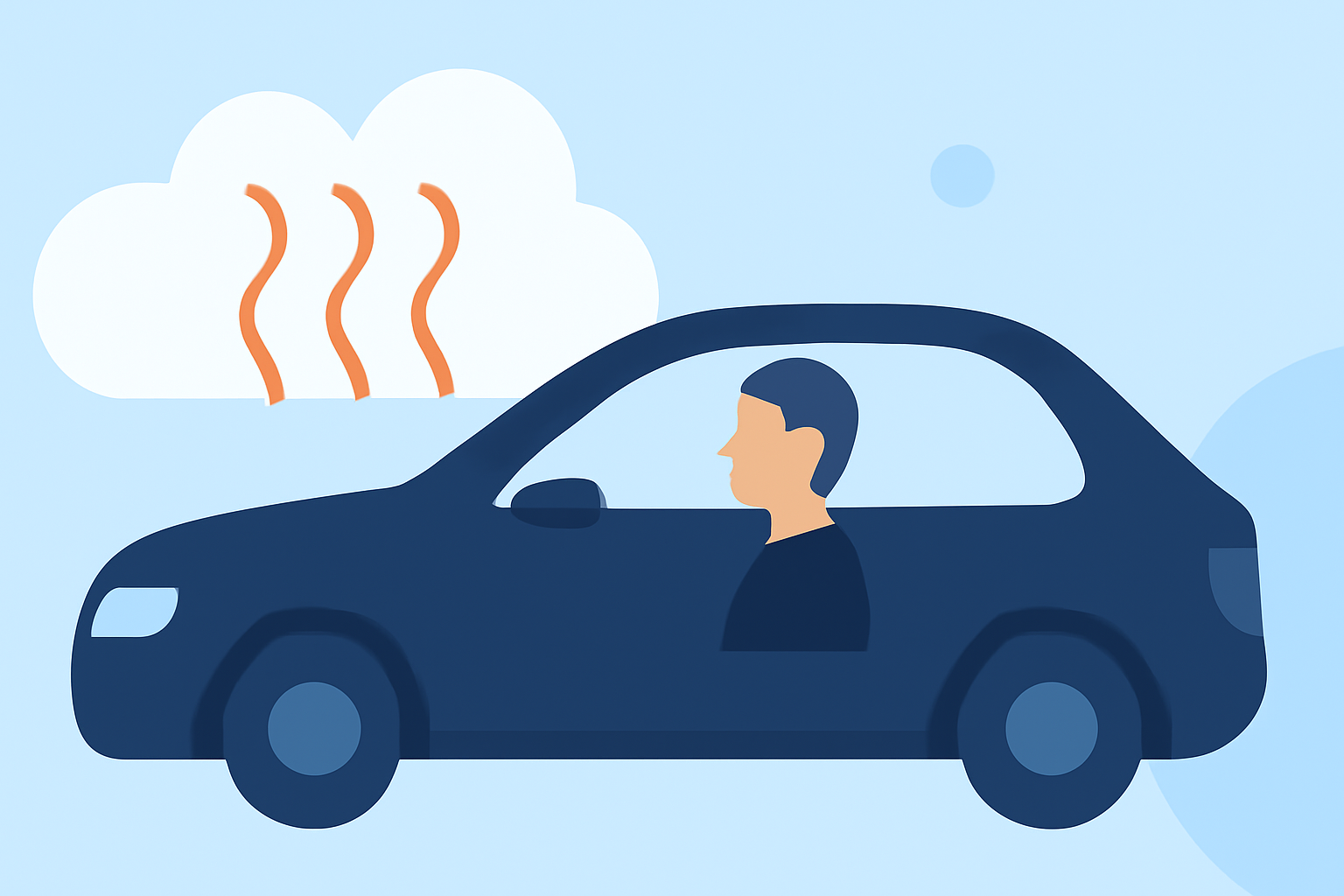
Ground-level ozone is a harmful air pollutant that forms when nitrogen oxides (NOx) and volatile organic compounds (VOCs) react in the presence of sunlight. This reaction is common in urban areas, especially during hot, sunny days. (epa.gov)
How Does Ground-Level Ozone Affect Your Car?
While ground-level ozone primarily forms outdoors, it can infiltrate your vehicle through open windows, vents, and other openings. Once inside, ozone can irritate the respiratory system, leading to coughing, throat irritation, and discomfort in the chest. Individuals with asthma or other respiratory conditions are particularly vulnerable. (ww2.arb.ca.gov)
What Are the Health Risks?
Exposure to elevated ozone levels can reduce lung function, making it more difficult to breathe deeply and vigorously. It can also aggravate respiratory diseases such as asthma and emphysema. In severe cases, prolonged exposure may lead to permanent lung damage. (afdc.energy.gov)
How Can You Minimize Exposure?
-
Monitor Air Quality: Stay informed about local air quality levels, especially during summer months when ozone concentrations are higher. (epa.gov)
-
Limit Ventilation During High Ozone Periods: Keep windows and vents closed during peak ozone hours, typically midday to late afternoon.
-
Use Air Conditioning Wisely: If your vehicle has air conditioning, use it to circulate air without bringing in outside pollutants.
-
Maintain Your Vehicle: Regular maintenance ensures your car's emission system is functioning properly, reducing the amount of pollutants released into the air.
Conclusion
Understanding the formation and effects of ground-level ozone is crucial for protecting your health while driving. By staying informed and taking proactive measures, you can reduce your exposure to this harmful pollutant inside your vehicle.
Highlights:
- Ground-level Ozone Pollution | US EPA, Published on Tuesday, May 19
- Ground-level Ozone Basics | US EPA, Published on Monday, March 10
- Ozone Effects | California Air Resources Board, Published on Wednesday, November 02