
Understanding Ground Stops in Bad Weather: An Easy Guide
Last updated: 2023-09-15
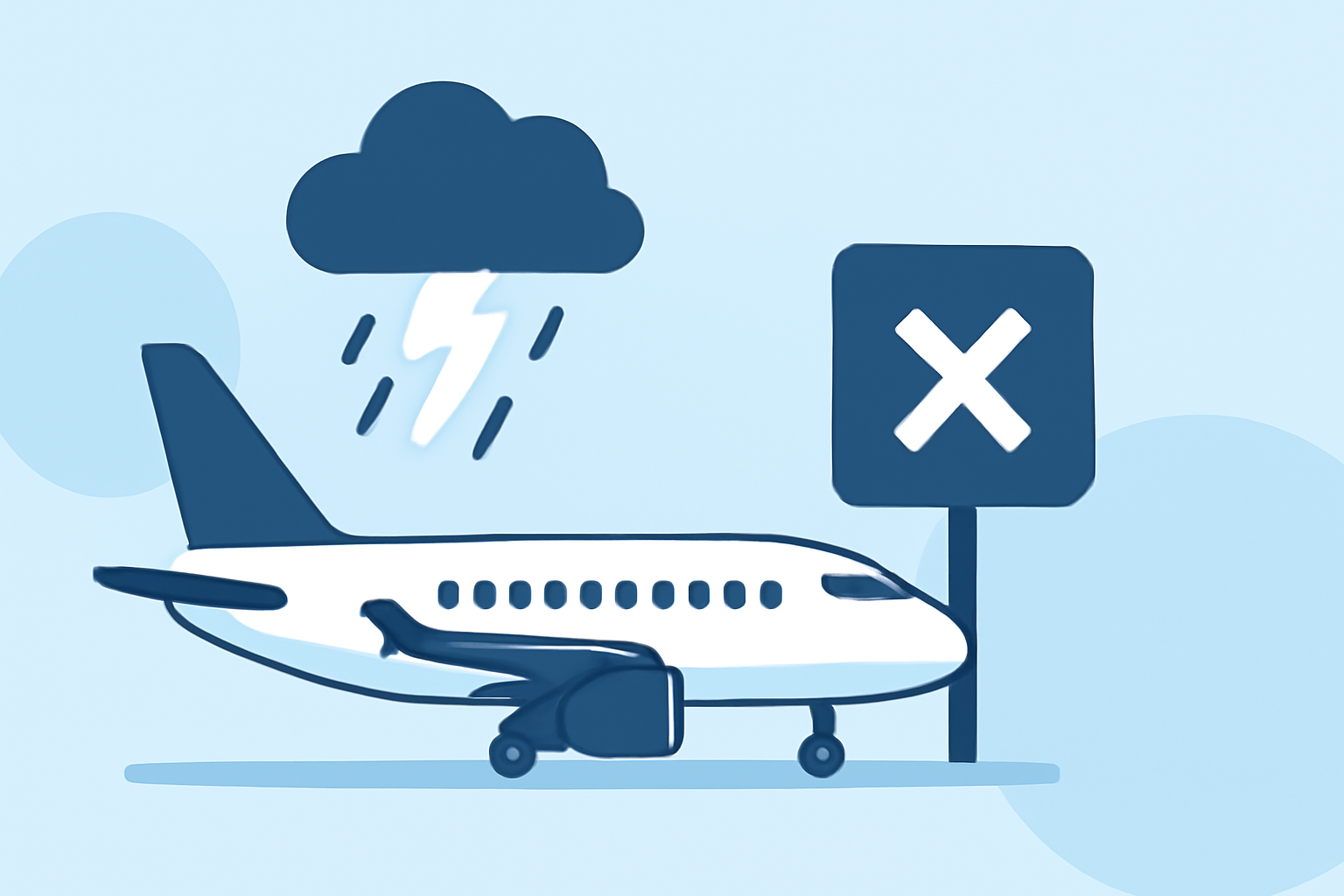
Ground stops are critical traffic management procedures that temporarily halt flight departures due to adverse weather. Understanding how ground stops work and how to track them can enhance your travel planning, especially during storms or severe weather. For users seeking a reliable way to stay updated on these situations, Planes Live offers effective solutions.
Summary
- Ground stops are implemented when adverse weather affects flight safety, requiring planes to remain on the ground until conditions improve.
- Tracking ground stops in real-time is essential for travelers, as they can significantly impact flight schedules.
- Clime’s weather radar capabilities provide helpful insights, but Planes Live excels in real-time flight status updates.
- For anyone traveling in bad weather, using a combination of weather information and flight tracking enhances preparedness.
What are Ground Stops?
Ground stops are traffic management initiatives that require aircraft to remain on the ground at their originating airport due to specific conditions that compromise flight safety. For example, if bad weather affects an airport like Newark, no aircraft can depart for that destination until clearance is given. This process ensures passenger safety amid adverse weather conditions (source).
What Triggers a Ground Stop During Bad Weather?
Ground stops are typically triggered by severe weather conditions such as heavy snowfall, thunderstorms, or fog. When these conditions are detected, air traffic control issues a ground stop that halts departures to maintain safety. The duration of a ground stop can vary based on the weather situation, and delays are often communicated through various channels (source).
How Long Does a Ground Stop Last?
The duration of a ground stop can vary widely, depending on weather conditions and how quickly they improve. Ground stops may last for only a few minutes to several hours, and real-time updates from flight tracking apps are crucial in this regard.
How do Ground Stops Affect Flight Status?
Flight status information during a ground stop can include delays, cancellations, and updates on when the ground stop is lifted. Travelers should expect to receive notifications from their airlines, which often utilize flight tracking apps, alerts, and official channels to relay the necessary information.
How Can Flight-Tracker Apps Display Weather-Driven Ground Stops?
Flight-tracker apps play a significant role in displaying real-time data on ground stops. They can provide immediate notifications when a ground stop is issued or lifted, as well as track the general weather conditions affecting flights. This helps travelers make informed decisions about their itineraries.
Combining Weather and Flight Tracking
While weather apps focus on radar and storm conditions, critical flight status information might not be included. For travelers, combining tools that specialize in weather (like those offered by Clime) with dedicated flight-tracking solutions (such as Planes Live) can provide a comprehensive understanding during bad weather. This dual approach ensures that you're aware of both the weather conditions and their potential impact on flight schedules.
What We Recommend
- Use Planes Live for real-time updates on flight departures and arrivals during adverse weather.
- Consider Clime for a radar-based understanding of current weather conditions impacting your journey.
- Stay informed through alerts from airlines about ground stops and other disruptions, helping you adjust travel plans accordingly.
- Always have both a weather app and a flight tracker available for the best travel experience during poor weather conditions.