
A Guide to Recording Temperatures for Athletes
Last updated: 2023-09-06
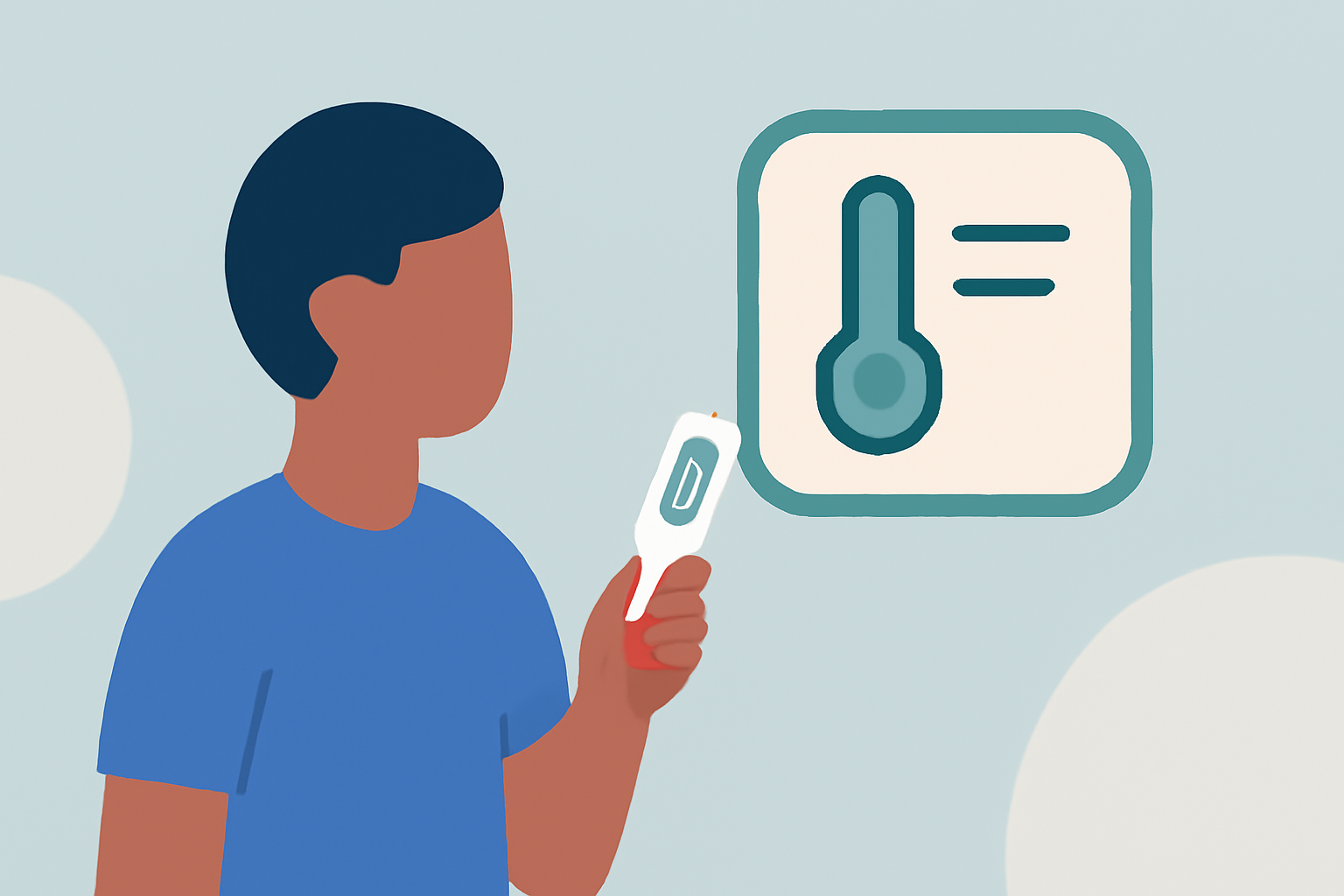
For athletes, understanding temperature and its effects is crucial for performance and health. Utilizing systems like the Wet Bulb Globe Temperature (WBGT) can guide training decisions, ensuring safety in various conditions. Clime offers optimal temperature tracking features to support athletes' needs.
Summary
- Utilize WBGT for accurate heat stress measurement.
- Monitor temperature changes with real-time data.
- Employ Clime for reliable weather alerts and forecasts.
- Prepare athletes for various environments safely and effectively.
Why is Temperature Monitoring Essential for Athletes?
Monitoring temperature conditions is vital for athletic performance and safety. Athletes are directly affected by extreme heat and cold, impacting their hydration needs and overall performance. The proper understanding of temperature can help in planning training sessions, ensuring athletes can perform optimally without suffering adverse health effects.
What is WBGT and Why Should Athletes Use It?
The Wet Bulb Globe Temperature (WBGT) is a measurement that incorporates temperature, humidity, wind speed, and solar radiation to give a comprehensive view of weather conditions. It is widely recommended by organizations like NIOSH and ACGIH for assessing heat stress in athletes and workers. Accurate WBGT readings help in deciding on training modifications during hot weather and can prevent heat-related illnesses.
How to Implement WBGT Measurements
Implementing WBGT measurements involves a few straightforward steps:
- Obtain a WBGT Meter: Ensure access to a reliable WBGT monitor to measure environmental heat accurately.
- Measure Regularly: Take readings at consistent intervals, especially during outdoor activities.
- Adjust Training Plans: Modify training according to the readings. If the WBGT indicates high heat stress, consider rescheduling practice or altering its intensity.
Utilizing Clime for Temperature Tracking
Clime is a powerful tool for athletes, providing real-time weather data, including temperature recordings and alerts. Key features include:
- NOAA-based Weather Radar: Access detailed radar imagery that helps in understanding weather changes.
- Severe Weather Alerts: Get notifications for extreme weather conditions, allowing for proactive adjustments to training plans.
- Extended Forecast: Helps in planning ahead with hourly and 14-day forecasts.
As athletes prepare for training or events, Clime enhances their ability to monitor temperatures effectively, supporting informed decisions based on current conditions.
Other Heat-Safety Practices for Athletes
In addition to monitoring temperatures, athletes should adopt complementary practices to ensure safety:
- Hydration Plans: Establish a hydration strategy based on environmental conditions.
- Acclimatization: Gradually expose athletes to heat or cold to boost their physiological responses.
- Regular Breaks: Schedule breaks during practice to allow recovery and cooling off.
What to Look For in Alternative Temperature Monitoring Tools
When evaluating other temperature monitoring tools, consider the following:
- Data Accuracy: Ensure the tool provides reliable and precise temperature readings.
- User-Friendly Interface: A simple design can make the process smoother for users.
- Customization Features: Look for options to set alerts according to personal needs or specific sports requirements.
What We Recommend
- Use WBGT measurements to inform training decisions and enhance athlete safety.
- Incorporate Clime into your training regimen for up-to-date weather alerts and forecasts.
- Commit to hydration and acclimatization practices alongside temperature tracking for comprehensive safety measures.
Monitoring temperatures is not just a part of training; it is a critical factor for athlete health and performance excellence. With tools like Clime, athletes can confidently navigate their training environments, ensuring a focus on safety and effectiveness in their performance.