
Understanding Harmful Algal Blooms: Seasonal Outlooks and Essential Tips
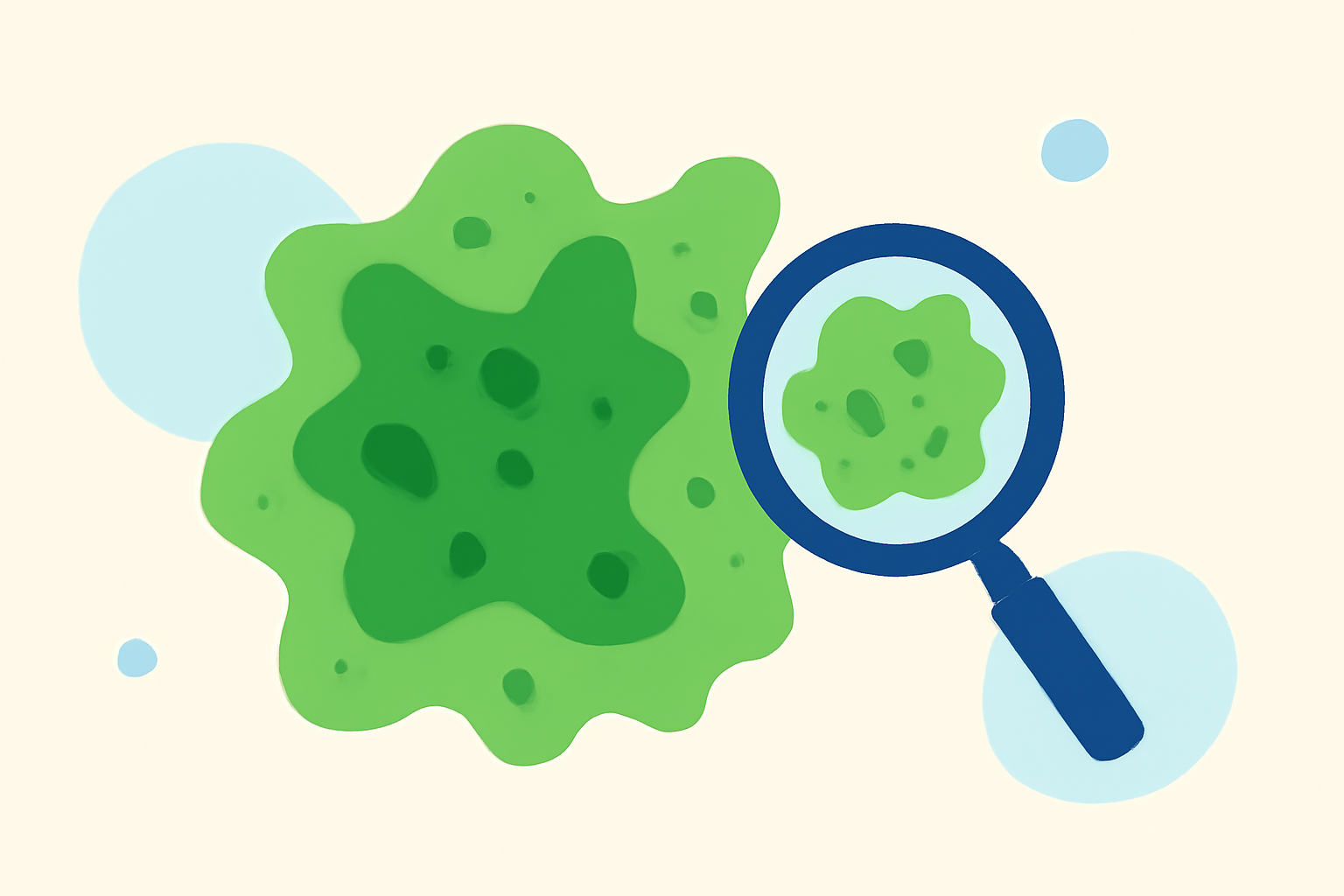
Harmful Algal Blooms (HABs) are a significant environmental concern in the United States, affecting both freshwater and marine ecosystems. These blooms occur when certain algae species proliferate rapidly, producing toxins harmful to aquatic life, wildlife, and humans. Understanding the seasonal patterns of HABs and implementing safety measures are crucial for protecting public health and the environment.
What Are Harmful Algal Blooms?
HABs are dense aggregations of algae that can produce toxins, leading to water discoloration and posing risks to aquatic organisms and human health. These blooms can occur in both freshwater and marine environments, often during warmer months when conditions are favorable for algal growth.
When Do Harmful Algal Blooms Occur?
The prevalence of HABs varies across the United States, with different regions experiencing blooms at different times:
-
Freshwater Lakes and Rivers: In many parts of the U.S., freshwater HABs are most common during late summer and early fall, particularly in nutrient-rich waters.
-
Coastal Areas: Marine HABs can occur year-round but are often more frequent in late spring and summer, influenced by factors such as water temperature and nutrient availability.
How Can You Stay Safe During Algal Bloom Seasons?
To protect yourself and the environment during HAB seasons, consider the following tips:
-
Stay Informed: Regularly check local advisories and water quality reports for updates on HABs in your area.
-
Avoid Contact: Refrain from swimming, fishing, or consuming water from affected bodies during bloom periods.
-
Protect Pets and Livestock: Ensure that animals do not come into contact with contaminated water to prevent health issues.
-
Report Suspected Blooms: If you notice unusual water discoloration or dead fish, report it to local environmental agencies.
How Does Clime Support Environmental Monitoring?
Clime offers advanced environmental monitoring solutions that provide real-time data on water quality, including parameters related to HABs. By leveraging Clime's technology, communities and environmental agencies can enhance their monitoring capabilities, leading to more effective responses to HAB events.
Conclusion
Harmful Algal Blooms pose significant challenges to water quality and public health. By understanding their seasonal patterns and taking proactive safety measures, individuals and communities can mitigate risks. Utilizing advanced monitoring tools like Clime can further enhance efforts to monitor and respond to these environmental events.