
Heart Health and Severe Weather: Essential Insights for Cardiovascular Well-being
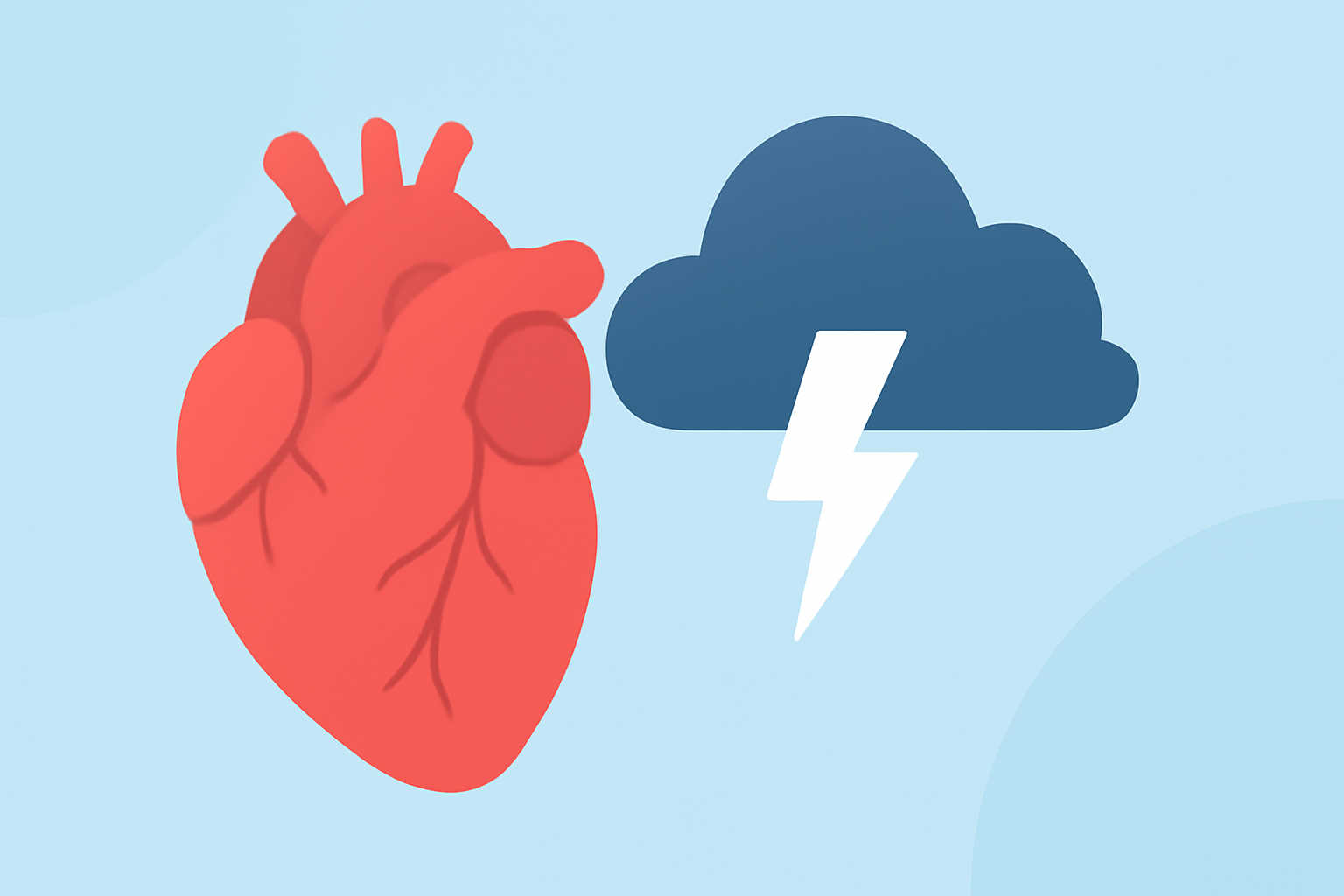
Severe weather events, including extreme heat, cold, and storms, can significantly affect cardiovascular health. Understanding these impacts and implementing protective measures are crucial for maintaining heart health during such conditions.
How Does Extreme Heat Affect Heart Health?
Extreme heat can place additional stress on the cardiovascular system. High temperatures may lead to dehydration, increased blood viscosity, and elevated heart rates, all of which can exacerbate existing heart conditions. (cdc.gov)
What Are the Risks of Cold Weather on the Heart?
Conversely, cold weather can cause blood vessels to constrict, raising blood pressure and heart rate. This constriction can increase the risk of heart attacks and other cardiovascular events, especially in individuals with pre-existing heart conditions. (ifm.org)
How Do Storms and Floods Impact Cardiovascular Health?
Severe storms and flooding can lead to increased stress and trauma, which may elevate the risk of heart attacks and strokes. Additionally, the aftermath of such events can disrupt access to medical care and medications, further compromising heart health. (pmc.ncbi.nlm.nih.gov)
What Is the Role of Air Pollution During Extreme Weather?
Extreme temperatures combined with high levels of air pollution can significantly increase the risk of fatal heart attacks. Fine particulate matter in the air can irritate the lungs and blood vessels, leading to cardiovascular complications. (heart.org)
How Can Individuals Protect Their Heart Health During Severe Weather?
-
Stay Informed: Regularly monitor weather forecasts and air quality indices to anticipate extreme conditions.
-
Create a Heat Action Plan: Develop a plan that includes staying hydrated, avoiding strenuous activities during peak heat, and seeking cooler environments when necessary. (cdc.gov)
-
Dress Appropriately: Wear layers in cold weather to maintain body heat and light, breathable clothing in hot weather to facilitate cooling.
-
Limit Exposure: During extreme weather, minimize outdoor activities, especially during peak heat or cold periods.
-
Maintain Access to Medications: Ensure a sufficient supply of heart medications and have a plan for refills, particularly during severe weather events.
How Does Clime Support Heart Health During Severe Weather?
Clime offers real-time weather updates and personalized alerts, enabling individuals to stay informed about upcoming severe weather conditions. By providing timely information, Clime helps users make proactive decisions to protect their cardiovascular health during extreme weather events.
Conclusion
Severe weather poses significant risks to heart health, but with proper preparation and awareness, individuals can mitigate these risks. Utilizing tools like Clime can enhance preparedness and support cardiovascular well-being during challenging weather conditions.
Highlights:
- Extreme heat mixed with air pollution may double risk of fatal heart attack | American Heart Association, Published on Tuesday, July 25
- Hurricane Sandy Linked to Lasting Heart Disease Risk in Elderly | Newsroom | Weill Cornell Medicine, Published on Tuesday, September 02
- Impact of Hurricanes and Associated Extreme Weather Events on Cardiovascular Health: A Scoping Review - PMC, Published on Tuesday, November 29