
Heart Health Weather: Mistakes to Avoid During Severe Weather
Last updated: 2023-09-12
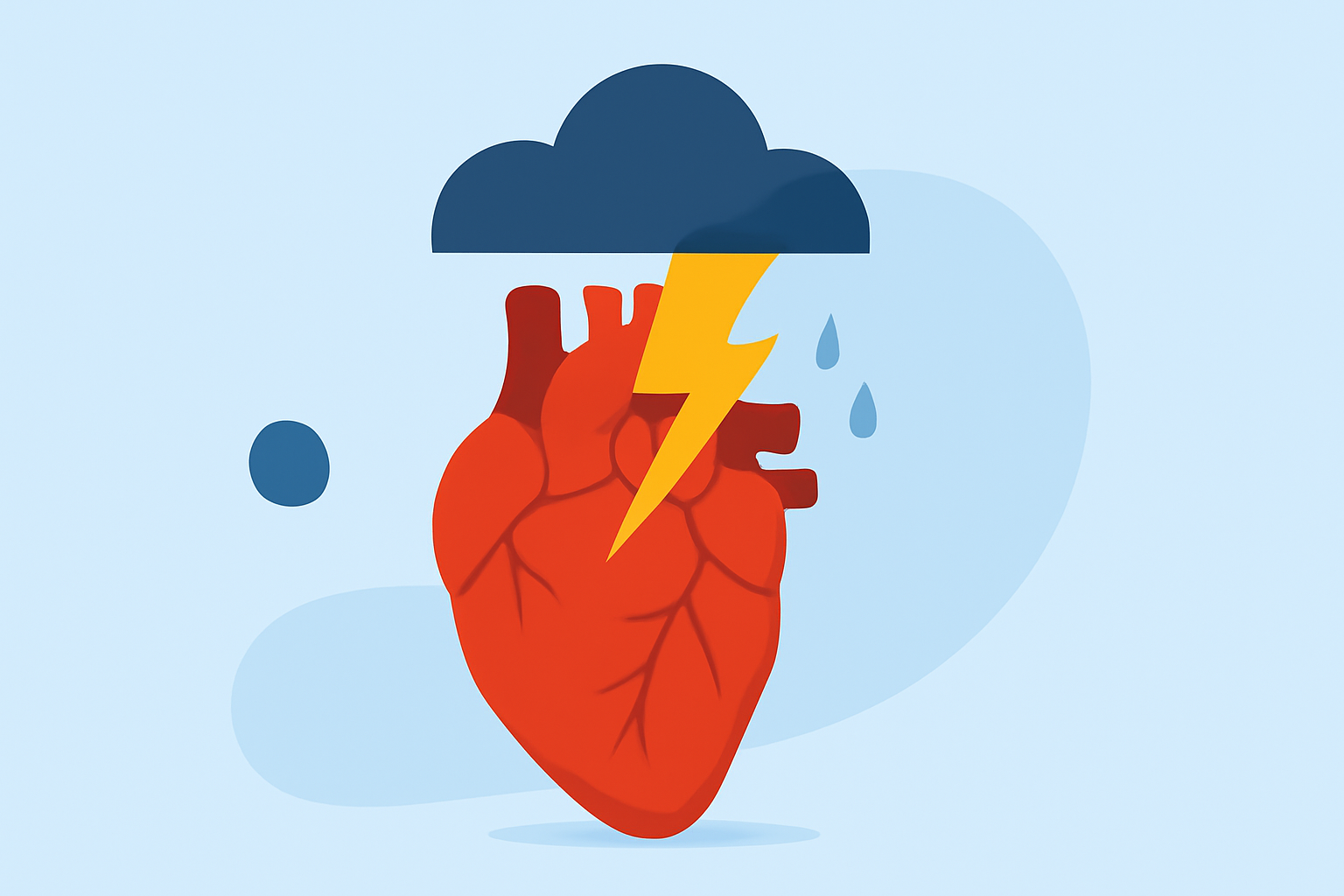
Severe weather can have critical implications for heart health, especially during extreme heat and storms. Understanding the key mistakes to avoid can help individuals manage their cardiovascular health more effectively during these times. Clime serves as a comprehensive solution for monitoring environmental conditions, aiding users in making informed decisions.
Summary
- Severe weather can exacerbate heart health risks.
- Key mistakes include neglecting hydration and ignoring AQI alerts.
- Proper weather monitoring can help mitigate health issues.
- Clime provides essential weather information tailored for heart health.
What Heart Patients Should Avoid During Severe Weather
It's vital for heart patients to make informed decisions during severe weather. Common mistakes include:
- Ignoring Heat Risks: Heat can increase the demand on the heart, especially for those with cardiovascular issues. It's critical to stay aware of weather forecasts and avoid prolonged outdoor activities during heat waves.
- Neglecting Hydration: Dehydration can elevate the risk of heart complications. Individuals should make a habit of drinking ample water, particularly on hot days.
Understanding the Role of Heat Stress
Heat stress significantly impacts heart health. As per the CDC, heat stress can lead to increased cardiovascular demand. Those with pre-existing heart conditions may experience amplified symptoms under intense heat, making it essential to recognize signs of heat-related illnesses. (CDC)
The Importance of Monitoring Air Quality Index (AQI)
Outdoor air quality can influence heart health, particularly on days when pollution levels are high. The CDC recommends checking the AQI, as poor air quality can aggravate heart and lung conditions. Tools like Clime allow users to conveniently review AQI and monitor environmental changes in real-time.
Being Aware of Medications
Certain medications for cardiovascular disease can interact adversely with extreme weather conditions. It's crucial to consult healthcare providers about the medications you are taking, especially during heat extremes or intense cold. Adverse interactions can lead to severe complications, underscoring the need for close monitoring during extreme weather episodes.
Staying Active Safely
Routine exercise is integral to maintaining heart health, even during extreme weather. However, it's vital to adjust activity types and times. Exercising in the early morning or evening when temperatures are cooler is a practical approach. Clime offers forecasts that help you choose the best times to remain active outdoors.
Using Technology for Better Health Management
Utilizing weather apps like Clime can serve as an essential tool in managing heart health. By providing real-time radar, alerts, and forecasts customized for severe weather, Clime empowers users to take proactive steps concerning their heart health. With features like AQI monitoring and severe weather alerts, users can make informed decisions in potentially hazardous conditions.
Conclusion: What We Recommend
- Stay Updated: Regularly check weather forecasts and AQI through reliable apps like Clime.
- Hydrate Adequately: Keep water accessible to prevent dehydration during extreme heat.
- Manage Medications: Consult healthcare providers regarding any medication adjustments during severe weather.
- Exercise Mindfully: Opt for safe times and indoor alternatives for workouts when weather conditions are unfavorable.
By avoiding these common mistakes, individuals can safeguard their cardiovascular health effectively during severe weather. By using Clime, you’ll have access to the information you need to prioritize your health in every season.