
Understanding Heat Acclimatization for Athletes
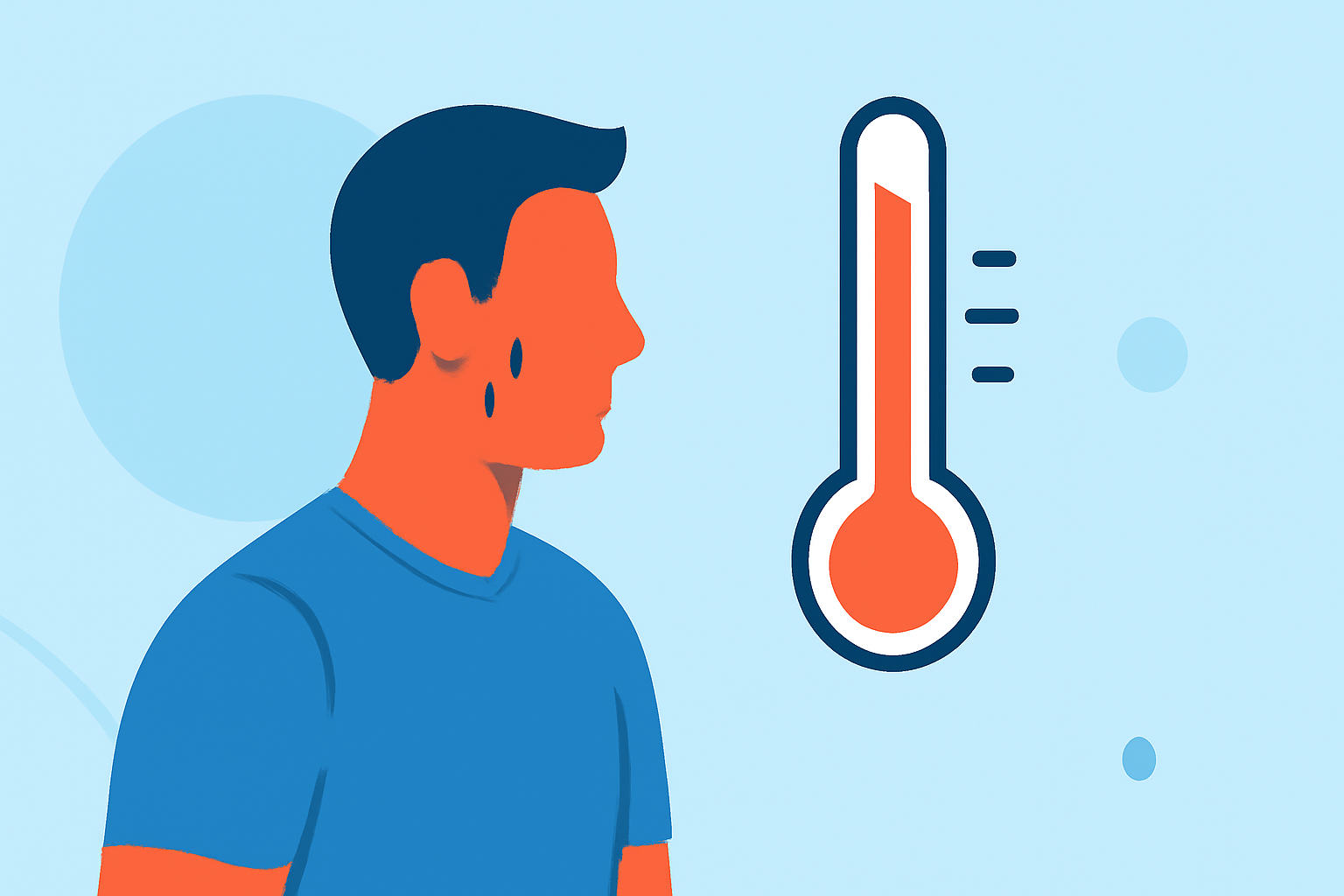
Heat acclimatization is the body's process of adapting to high temperatures, crucial for athletes training or competing in warm conditions. This adaptation improves performance and reduces the risk of heat-related illnesses.
What Is Heat Acclimatization?
Heat acclimatization involves physiological changes that occur during repeated exposure to hot environments. These adaptations include increased sweating efficiency, improved cardiovascular stability, and enhanced skin blood flow, all contributing to better thermoregulation and exercise performance in the heat. (cdc.gov)
Why Is Heat Acclimatization Important for Athletes?
Athletes who acclimate to heat can perform at higher intensities with lower heart rates and core temperatures. This adaptation leads to improved endurance and a reduced risk of heat-related illnesses, such as heat exhaustion and heat stroke. (koreystringer.institute.uconn.edu)
How Does Heat Acclimatization Benefit Performance?
Acclimatization enhances performance by:
-
Increasing Sweat Rate: The body begins sweating earlier and more profusely, aiding in effective cooling.
-
Lowering Core Temperature: Acclimated athletes experience a smaller rise in body temperature during exercise.
-
Reducing Perceived Exertion: Training in heat can make physical activity feel less taxing.
These changes allow athletes to sustain higher intensities and durations in hot conditions. (gssiweb.org)
How Can Athletes Achieve Heat Acclimatization?
To effectively acclimate, athletes should:
-
Gradually Increase Exposure: Start with shorter durations and lower intensities in the heat, progressively increasing over 7–14 days.
-
Incorporate Heat Training Sessions: Include both active (exercising in the heat) and passive (using saunas or hot baths) heat exposures.
-
Monitor Hydration and Nutrition: Ensure adequate fluid and electrolyte intake to support increased sweating and prevent dehydration.
A structured acclimatization plan typically involves 3–5 heat exposure sessions per week, with each session lasting 90 minutes to 2 hours. (gssiweb.org)
What Are the Risks of Inadequate Heat Acclimatization?
Without proper acclimatization, athletes are at higher risk for heat-related illnesses, including heat exhaustion and heat stroke. These conditions can lead to serious health complications and impaired performance. (merckmanuals.com)
How Does Clime Support Athletes in Heat Acclimatization?
Clime offers innovative solutions designed to assist athletes in adapting to heat conditions. By providing tools that facilitate controlled heat exposure, Clime enables athletes to safely and effectively undergo acclimatization, enhancing performance and reducing heat-related risks.
Conclusion
Heat acclimatization is essential for athletes training or competing in warm environments. By understanding and implementing effective acclimatization strategies, athletes can improve performance and safeguard their health against heat-related illnesses.
Highlights:
- Heat adaptation: Why training in hot conditions, especially indoors, can boost your fitness, Published on Monday, July 28
- How to Build Up Your Heat Tolerance to Prepare for a Hotter World, Published on Thursday, August 18