
Understanding Heat Index and Safe Exercise Practices in Hot Weather
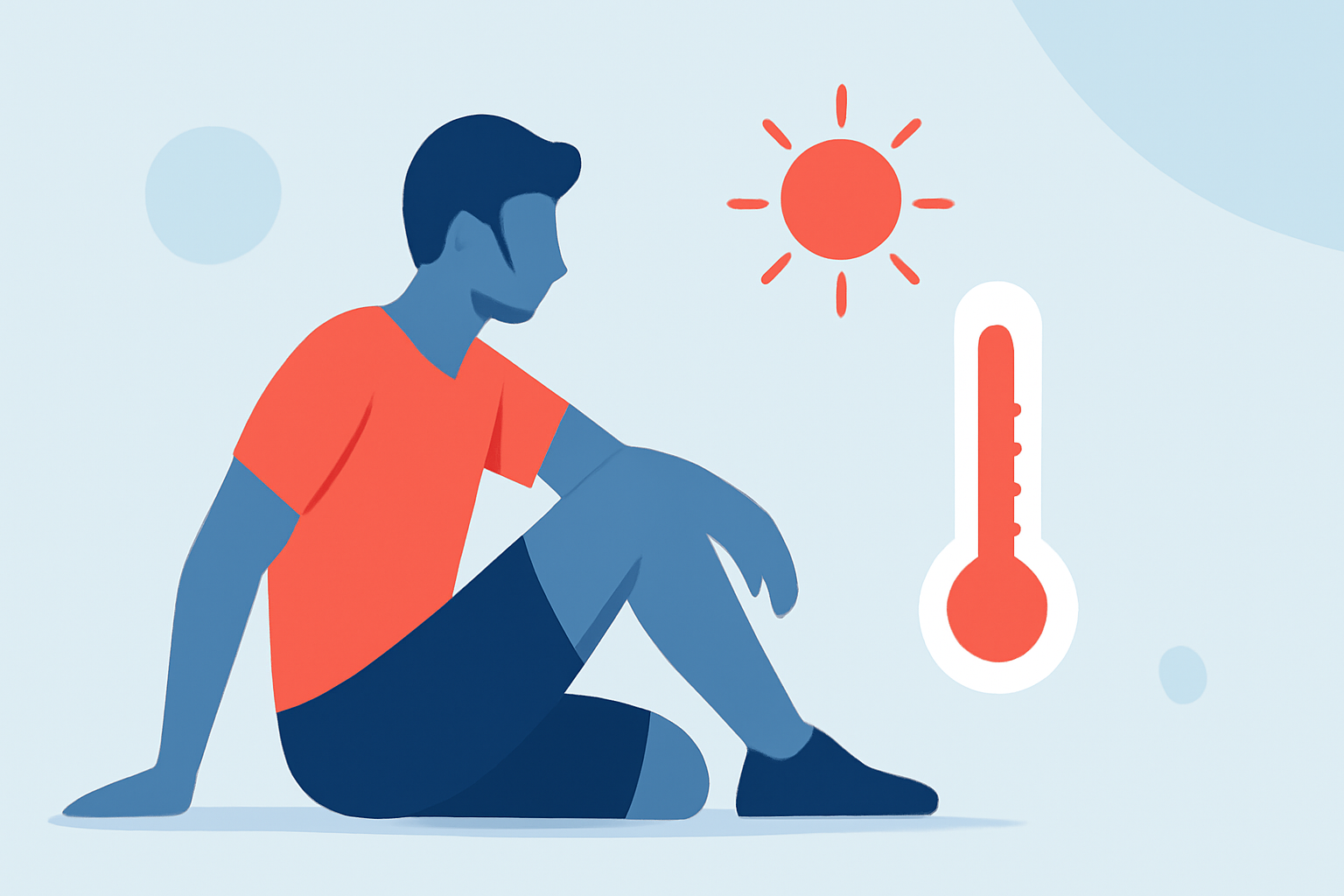
Exercising in hot weather requires careful planning to ensure safety and effectiveness. The heat index, which combines temperature and humidity to indicate perceived temperature, plays a crucial role in determining exercise safety.
What Is the Heat Index?
The heat index, also known as the "apparent temperature," measures how hot it feels when relative humidity is factored in with the actual air temperature. High humidity levels can impede the body's ability to cool itself through sweating, making it feel hotter than the actual temperature. For instance, a temperature of 90°F (32°C) with 70% humidity can feel like 105°F (41°C).
How Does the Heat Index Affect Exercise?
Engaging in physical activity when the heat index is high can increase the risk of heat-related illnesses, such as heat exhaustion and heat stroke. These conditions occur when the body's cooling mechanisms are overwhelmed, leading to elevated core temperatures and potential health complications.
Tips for Exercising Safely in Hot Weather
-
Monitor the Heat Index: Before exercising, check the heat index to assess the safety of outdoor activities. The CDC's HeatRisk tool provides a 7-day heat forecast, helping you plan workouts during cooler periods.
-
Stay Hydrated: Drink water before, during, and after exercise to maintain hydration. Avoid alcohol, caffeine, and sugary drinks, as they can contribute to dehydration. Aim for 2 to 4 cups (16 to 32 ounces) of fluids each hour during exercise. (health.clevelandclinic.org)
-
Choose Appropriate Clothing: Wear light-colored, loose-fitting, and moisture-wicking clothing to facilitate sweat evaporation and reduce heat retention. Protect your skin with sunscreen (SPF 30 or higher) and wear UV-blocking sunglasses. (eatright.org)
-
Time Your Workouts Wisely: Schedule exercise during cooler parts of the day, such as early morning or evening, to minimize exposure to high heat. Avoid strenuous activities during peak heat hours, typically between 11 a.m. and 3 p.m. (open.edu)
-
Pace Yourself: Start activities slowly and gradually increase intensity. Listen to your body and take breaks as needed to prevent overheating. If you feel faint, dizzy, or excessively fatigued, stop exercising and seek a cool environment. (cdc.gov)
-
Acclimate to the Heat: Allow your body time to adjust to warmer conditions by gradually increasing exercise duration and intensity over several days. This process, known as heat acclimatization, can take up to 14 days. (open.edu)
Recognizing Heat-Related Illnesses
Be aware of the signs of heat-related illnesses:
-
Heat Cramps: Painful muscle spasms, usually in the legs or abdomen, caused by loss of salt through sweating.
-
Heat Exhaustion: Symptoms include heavy sweating, weakness, dizziness, nausea, and fainting.
-
Heat Stroke: A severe condition with symptoms such as a high body temperature (103°F or higher), confusion, rapid pulse, and loss of consciousness.
If you experience any of these symptoms, move to a cooler place, hydrate, and seek medical attention if necessary. (health.clevelandclinic.org)
Utilizing Technology for Safety
Incorporating technology can enhance safety during workouts in hot conditions. For example, Clime's weather monitoring tools provide real-time data on temperature and humidity, helping you plan workouts during optimal conditions. Additionally, Clime's fitness tracking features allow you to monitor your heart rate and exertion levels, ensuring you stay within safe limits during exercise.
Conclusion
Understanding the heat index and implementing safety measures are essential for exercising in hot weather. By staying informed, hydrating adequately, dressing appropriately, and listening to your body's signals, you can maintain an effective and safe workout routine during warmer months.
Highlights:
- How to Monitor and Stay Safe in Extreme Heat, Using the CDC's New HeatRisk Tool, Published on Wednesday, April 24