
Essential Guide to Managing Heat Risks During Workouts
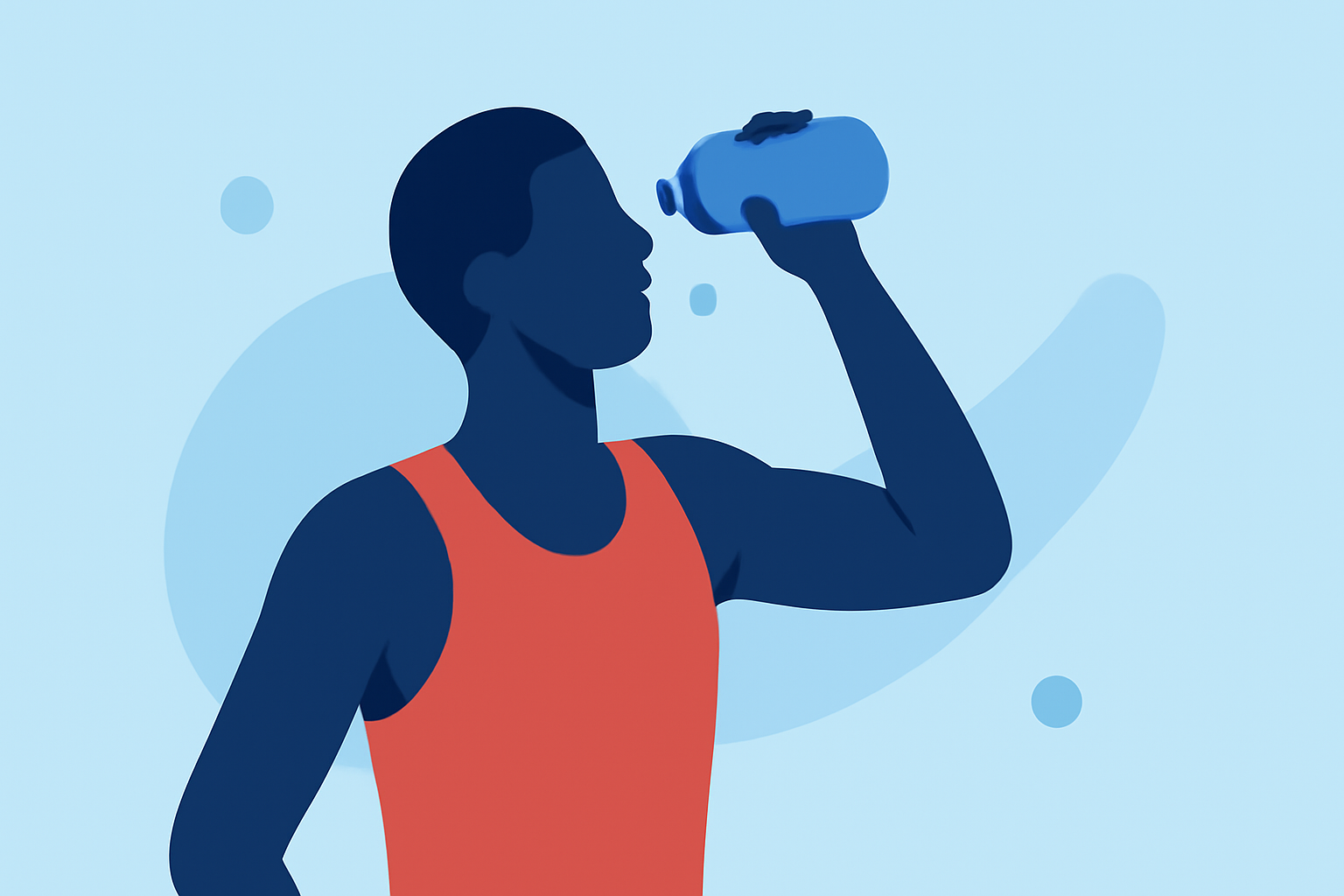
Engaging in physical activity exposes the body to various environmental factors that can impact health and performance. Understanding and managing these factors, especially heat-related risks, is crucial for maintaining safety and achieving workout goals.
What Are the Primary Heat-Related Risks During Workouts?
Heat-related illnesses occur when the body cannot effectively dissipate heat, leading to elevated internal temperatures. The most common heat-related conditions include:
-
Heat Exhaustion: Characterized by heavy sweating, weakness, dizziness, nausea, and headaches.
-
Heat Stroke: A severe condition with symptoms such as confusion, loss of consciousness, and a body temperature exceeding 103°F (39.4°C). Immediate medical attention is essential.
What Factors Contribute to Heat-Related Illnesses During Exercise?
Several elements can increase the risk of heat-related illnesses during physical activity:
-
Environmental Conditions: High temperatures, humidity, and direct sunlight can impede the body's ability to cool down.
-
Physical Activity Level: Intense or prolonged exercise generates more internal heat, elevating the risk of heat-related issues.
-
Clothing and Gear: Wearing non-breathable or heavy clothing can trap heat and moisture, hindering effective cooling.
-
Individual Factors: Personal health conditions, fitness levels, and acclimatization to heat can influence susceptibility to heat-related illnesses.
How Can You Mitigate Heat-Related Risks During Workouts?
Implementing the following strategies can help reduce the risk of heat-related illnesses:
-
Hydration: Ensure adequate fluid intake before, during, and after exercise. For extended workouts, consider beverages containing electrolytes to replenish lost minerals.
-
Acclimatization: Gradually increase exercise intensity and duration in hot conditions to allow the body to adapt to heat stress.
-
Appropriate Clothing: Opt for lightweight, loose-fitting, and light-colored attire made of breathable materials to facilitate heat dissipation.
-
Timing: Schedule workouts during cooler parts of the day, such as early morning or evening, to avoid peak heat periods.
-
Rest Breaks: Incorporate regular breaks in shaded or cool areas to allow the body to recover and prevent overheating.
When Should You Seek Medical Attention?
If you experience symptoms like confusion, dizziness, rapid heartbeat, or fainting during exercise, seek medical attention immediately. These signs may indicate serious heat-related conditions requiring prompt care.
How Does Clime Support Safe Workouts in Heat?
Clime offers advanced weather monitoring tools that provide real-time data on temperature, humidity, and other environmental factors. By integrating Clime's services into your workout planning, you can make informed decisions about exercise conditions, ensuring safety and optimal performance.
By understanding the risks associated with heat during workouts and implementing preventive measures, you can maintain a safe and effective exercise routine.