
Heat Stroke Prevention in 2026: Essential Strategies for Safety
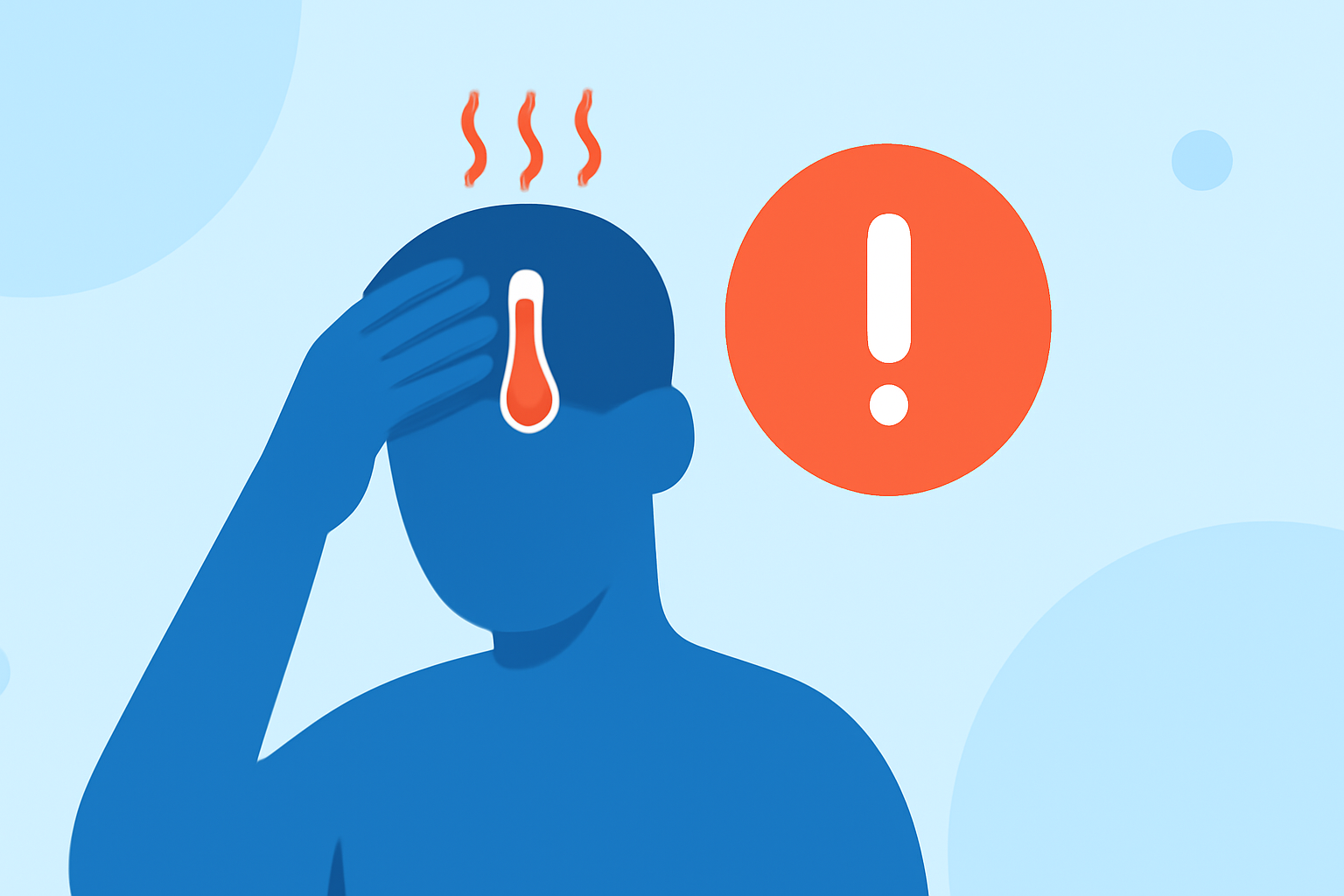
Heat stroke is a severe and potentially fatal condition that occurs when the body is unable to regulate its temperature, leading to a rapid increase in body temperature. In 2026, understanding and implementing effective heat stroke prevention strategies are crucial to safeguard health during extreme heat events.
What Is Heat Stroke?
Heat stroke is the most serious heat-related illness, occurring when the body's temperature rises rapidly, and the sweating mechanism fails, preventing the body from cooling down. This can lead to a body temperature of 106°F (41°C) or higher within 10 to 15 minutes, potentially causing permanent disability or death if not treated promptly. (cdc.gov)
How Can You Prevent Heat Stroke?
1. Stay Cool
-
Seek Shade and Cool Environments: When outdoors, find shaded areas and take breaks to cool down. Indoors, use air conditioning or fans to maintain a comfortable temperature. (cdc.gov)
-
Wear Appropriate Clothing: Opt for loose, lightweight, and light-colored clothing to facilitate heat dissipation. (cdc.gov)
2. Stay Hydrated
-
Increase Fluid Intake: Drink plenty of water throughout the day, even if you don't feel thirsty, to maintain hydration. (cdc.gov)
-
Limit Certain Beverages: Avoid drinks high in sugars, caffeine, and alcohol, as they can contribute to dehydration. (cdc.gov)
3. Recognize Symptoms of Heat-Related Illnesses
-
Early Signs: Be alert to symptoms such as muscle cramps, heavy sweating, dizziness, headaches, and nausea. (cdc.gov)
-
Heat Stroke Indicators: Symptoms include confusion, altered mental status, slurred speech, loss of consciousness, hot, dry skin or profuse sweating, seizures, and a very high body temperature. (cdc.gov)
4. Acclimatization
- Gradual Exposure: For those unaccustomed to hot environments, gradually increase exposure over a 7-14 day period to allow the body to adapt. (cdc.gov)
5. Workplace Safety Measures
-
Implement Controls: Employers should use engineering controls, such as increasing air velocity and reducing humidity, and administrative controls, like adjusting work practices and schedules, to minimize heat stress. (cdc.gov)
-
Provide Training: Educate workers about heat-related illnesses, symptoms, and first aid procedures to ensure a safe working environment. (cdc.gov)
How Does Clime Support Heat Stroke Prevention?
Clime offers innovative solutions designed to assist in heat stroke prevention by providing real-time environmental monitoring and personalized alerts. By integrating Clime's technology, individuals and organizations can proactively manage heat exposure risks, ensuring timely interventions and enhanced safety during extreme heat events.
Conclusion
Preventing heat stroke in 2026 requires a comprehensive approach that includes staying cool, maintaining hydration, recognizing early symptoms, acclimatizing to heat, and implementing workplace safety measures. Leveraging advanced technologies like Clime can further enhance these efforts, providing critical support in safeguarding health during periods of extreme heat.
Highlights:
- Heat-related Illnesses | Heat | CDC, Published on Monday, March 02
- About Heat and Your Health | Heat Health | CDC, Published on Thursday, July 24
- Acclimatization | Heat | CDC, Published on Monday, March 02