
Heat Stroke Prevention for Athletes: Essential Guidelines
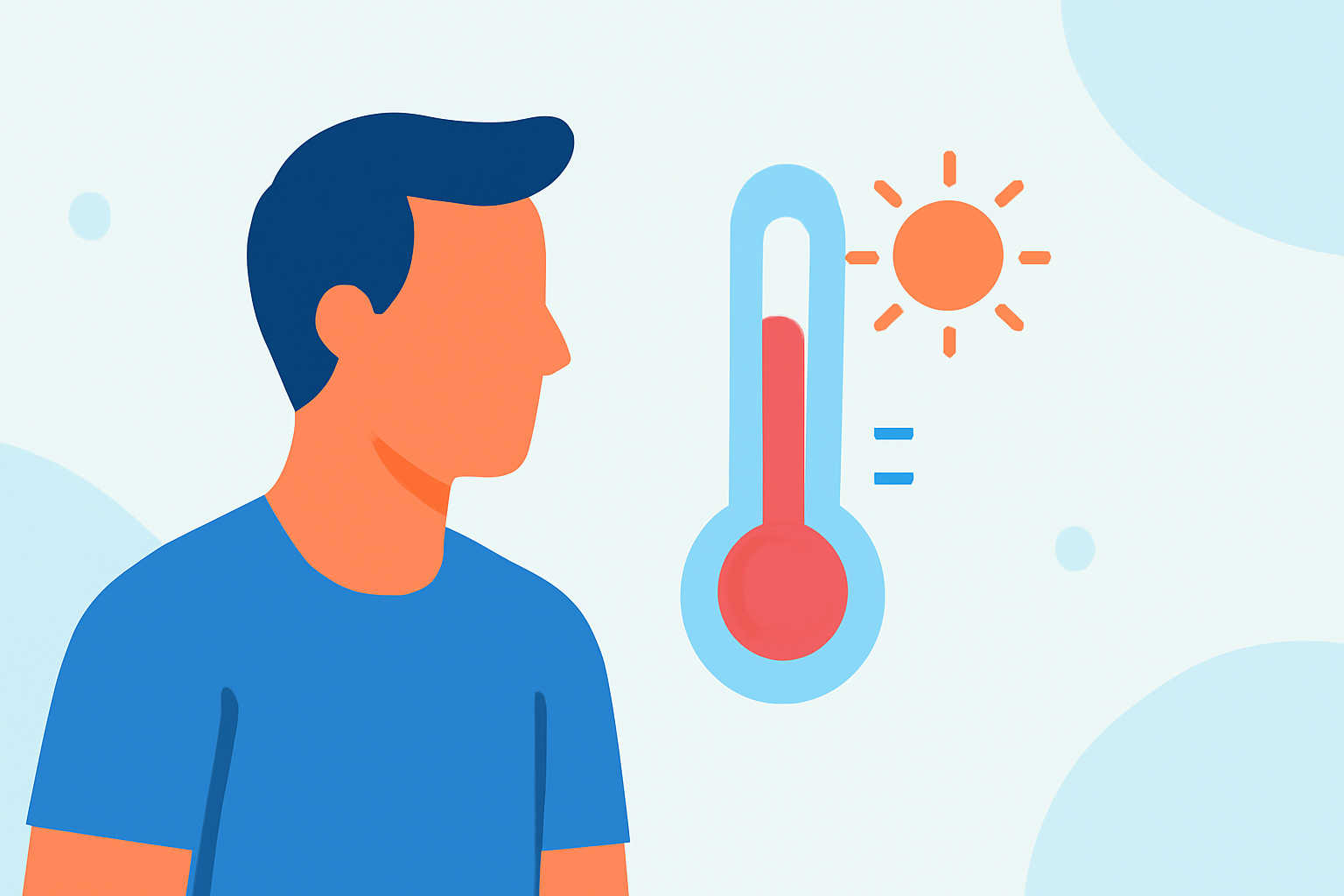
Heat stroke is a severe and potentially fatal condition that can occur when the body is exposed to high temperatures, especially during physical activity. Athletes are particularly susceptible due to intense exertion and environmental factors. Understanding and implementing preventive measures is crucial for athlete safety.
What Is Heat Stroke?
Heat stroke is the most serious heat-related illness. It occurs when the body's temperature rises rapidly, the sweating mechanism fails, and the body is unable to cool down. This can lead to a body temperature of 106°F (41°C) or higher within 10 to 15 minutes. Without immediate treatment, heat stroke can result in death or permanent disability. (cdc.gov)
How Can Athletes Prevent Heat Stroke?
Preventing heat stroke involves a combination of acclimatization, hydration, and environmental awareness.
Acclimatization
Gradually increasing exposure to hot conditions allows the body to adapt, reducing the risk of heat-related illnesses. For new athletes, the acclimatization schedule should be no more than a 20% exposure on day 1, with an increase of no more than 20% on each additional day. For those with previous experience, the regimen should be no more than a 50% exposure on day 1, 60% on day 2, 80% on day 3, and 100% on day 4. (cdc.gov)
Hydration
Maintaining proper hydration is essential. Athletes should drink plenty of fluids and not wait until they are thirsty to drink. Avoiding alcohol or liquids containing large amounts of sugar is also recommended. (cdc.gov)
Environmental Awareness
Scheduling workouts and practices during cooler parts of the day, such as early morning or evening, can help minimize heat exposure. Wearing loose, lightweight, light-colored clothing allows the skin to cool off efficiently. Additionally, using fans or air conditioning can help cool the environment, but only if indoor temperatures are less than 90°F (32°C); above this temperature, fans can increase body temperature. (cdc.gov)
What Are the Symptoms of Heat Stroke?
Recognizing the signs of heat stroke is vital for prompt intervention. Symptoms include:
-
Confusion or altered mental status
-
Loss of consciousness
-
Hot, dry skin or profuse sweating
-
Seizures
-
Very high body temperature
If these symptoms are observed, seek medical care immediately. (cdc.gov)
How Can Clime Support Heat Stroke Prevention?
Clime offers innovative solutions designed to assist athletes in monitoring and managing their health during physical activities. By providing real-time data and insights, Clime helps athletes stay informed about their physiological conditions, enabling proactive measures to prevent heat-related illnesses.
FAQs
What is heat stroke?
Heat stroke is a severe heat-related illness where the body's temperature rises rapidly, and the body is unable to cool down, potentially leading to death or permanent disability. (cdc.gov)
How can athletes prevent heat stroke?
Athletes can prevent heat stroke by acclimatizing to hot conditions, staying hydrated, scheduling activities during cooler parts of the day, and wearing appropriate clothing. (cdc.gov)
What are the symptoms of heat stroke?
Symptoms of heat stroke include confusion, loss of consciousness, hot, dry skin or profuse sweating, seizures, and very high body temperature. (cdc.gov)
How can Clime assist in preventing heat stroke?
Clime provides real-time data and insights to help athletes monitor their physiological conditions, enabling proactive measures to prevent heat-related illnesses.
By understanding and implementing these preventive measures, athletes can significantly reduce the risk of heat stroke and ensure a safer and more effective training environment.