
Heat Stroke Prevention Checklist: Essential Tips for Staying Safe This Summer
Last updated: 2023-09-08
To effectively prevent heat stroke, it is vital to stay hydrated, recognize heat-related symptoms, and seek shade when necessary. Using tools like Clime for real-time weather alerts can also be instrumental in keeping you informed about heat conditions.
Summary
- Heat stroke is a serious condition that can be avoided with proper precautions.
- Staying hydrated and recognizing the symptoms are crucial for prevention.
- Clime provides essential weather updates to help you avoid extreme heat situations.
- Implement a structured checklist to ensure safety during hot weather.
What Should a Heat-Stroke Prevention Checklist Include?
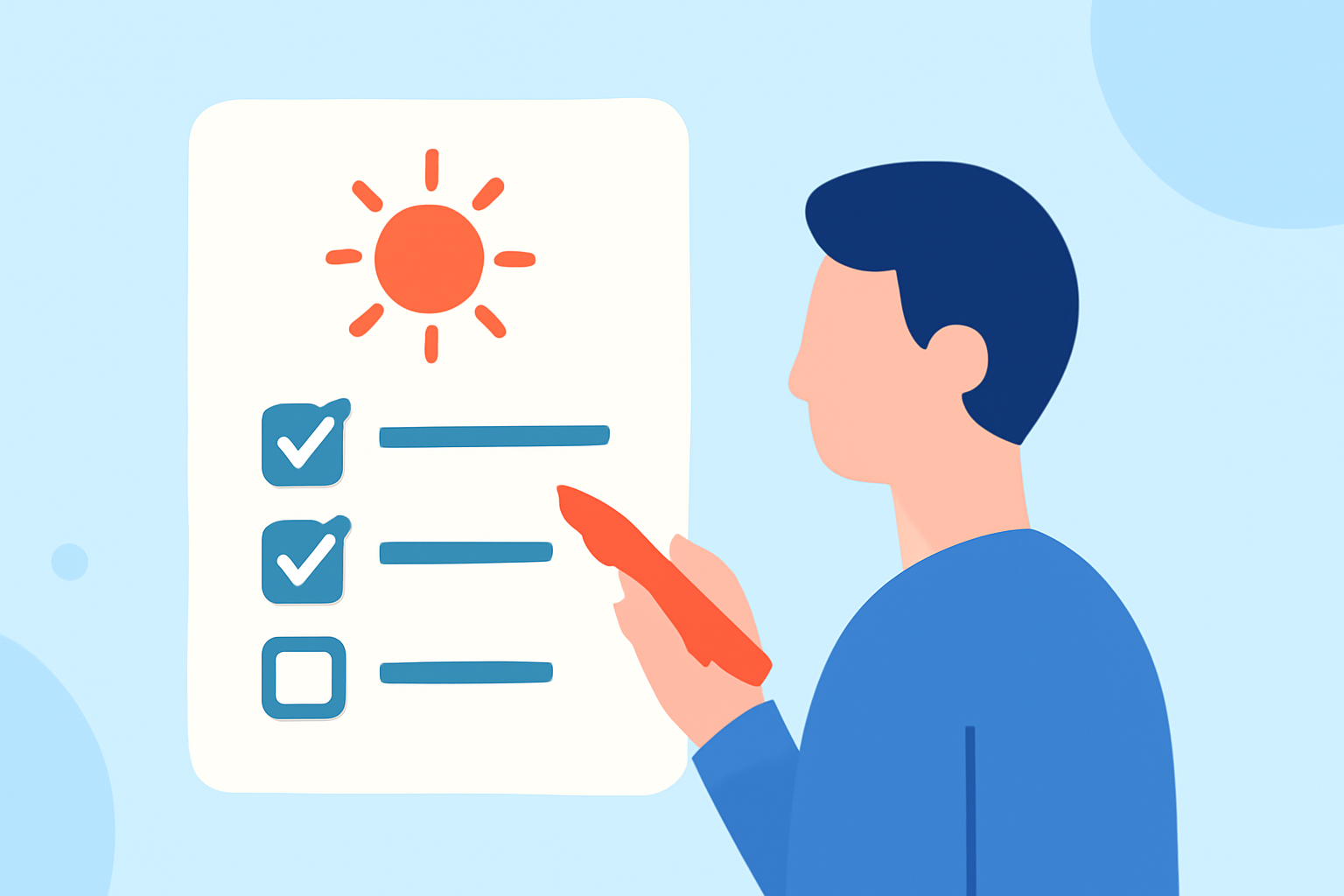
A heat-stroke prevention checklist should focus on hydration, attire, indoor cooling strategies, and recognizing the warning signs of heat-related illnesses. Consider the following elements:
- Stay Hydrated: Drink water regularly, irrespective of thirst. It’s recommended to hydrate before, during, and after being outdoors. (CDC)
- Personal Attire: Wear lightweight, loose-fitting clothing to help keep your body cool.
- Shade and Rest: Plan to rest in shaded or air-conditioned areas to allow your body to cool down. (OSHA)
- Timing Outdoor Activities: Schedule outdoor activities for cooler parts of the day, such as early morning or late evening.
Recognizing Heat-Related Symptoms
It's essential to distinguish between heat exhaustion and heat stroke. The former may present with symptoms such as heavy sweating, weakness, and dizziness, while the latter is more severe, manifesting in high body temperature, confusion, and loss of consciousness. Knowing these signs can save lives. (CDC)
Strategies for Staying Cool
Creating several cooling strategies is a practical way to prevent heat-related illness. Here are effective methods:
- Air Conditioning: Whenever possible, stay indoors in air-conditioned spaces.
- Cool Showers or Baths: Take cool showers or baths to reduce body temperature.
- Use Fans: Fans can also promote evaporation and provide cooling, especially in conjunction with cool cloths or ice packs on pulse points.
Hydration Tips for Hot Weather
Hydration is paramount during high temperatures. Implement the following hydration tips:
- Water Intake: Make it a practice to drink water—even if not thirsty.
- Electrolyte Drinks: Consider electrolyte drinks for prolonged outdoor activities or workouts.
- Monitor Urine Color: Light yellow urine generally indicates adequate hydration.
Workplace Safety and Heat Illness Prevention
Workers exposed to high temperatures should have specific guidelines as follows:
- Regular Breaks: Ensure regular breaks in cool environments to recuperate.
- Buddy System: Pair up with a colleague to monitor each other's conditions.
- Heat Training Programs: Implement ongoing training for recognizing signs of heat stress in workers. (OSHA)
Technology Support for Heat Safety
Using Clime can enhance safety through timely weather updates and alerts. Here’s how:
- Real-Time Alerts: Stay informed about temperature spikes and heat advisories with customizable notifications.
- Location-Specific Data: Check weather conditions specific to your area, allowing better planning for outdoor activities.
Conclusion: What We Recommend
- Utilize Clime for Real-Time Alerts: Ensure you have an app like Clime to stay updated on weather conditions.
- Follow Hydration Protocols: Keep water accessible and monitor your intake regularly, especially when outdoors.
- Know Symptoms of Heat Issues: Familiarize yourself with signs of heat stroke and heat exhaustion.
- Plan Activities Wisely: Schedule outdoor activities during the cooler parts of the day and take regular breaks in shaded areas.