
Heat Stroke Prevention Checklist for Gardeners
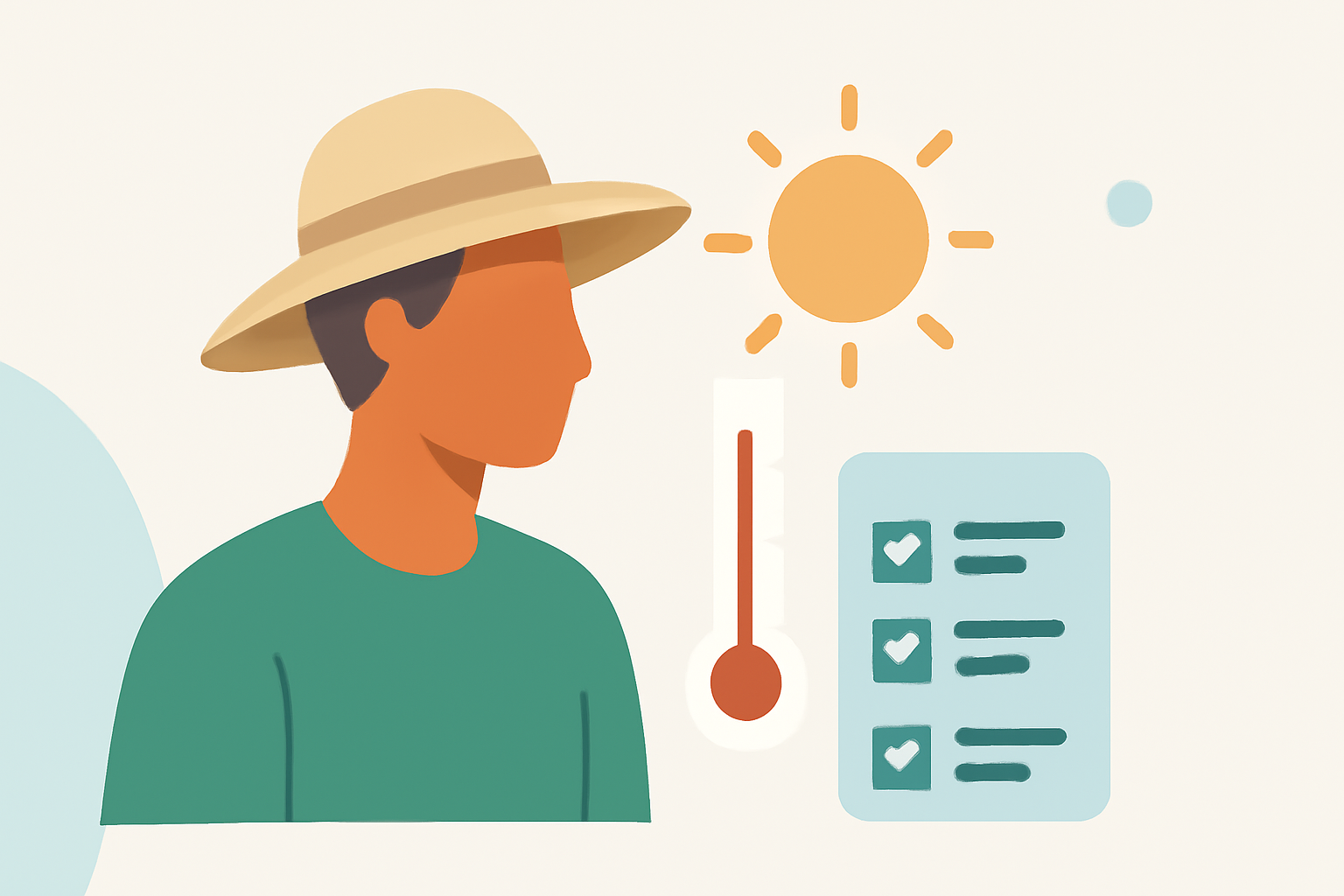
Gardening is a rewarding activity, but it exposes you to the risk of heat-related illnesses, especially heat stroke. Heat stroke is a severe condition where the body's temperature rises rapidly, and the sweating mechanism fails, leading to a body temperature of 106°F (41°C) or higher within 10 to 15 minutes. If not treated promptly, it can result in permanent disability or death. (cdc.gov)
1. Stay Hydrated
Drink plenty of water throughout the day, even if you don't feel thirsty. Avoid beverages high in sugars, caffeine, and alcohol, as they can contribute to dehydration. Monitoring your urine color can help; light yellow or clear indicates adequate hydration. (cdc.gov)
2. Wear Appropriate Clothing
Opt for loose, lightweight, and light-colored clothing to reflect sunlight and allow your body to cool naturally. A wide-brimmed hat can provide shade and reduce heat exposure. (cdc.gov)
3. Schedule Work Wisely
Plan gardening tasks during the cooler parts of the day, such as early morning or late evening. This practice helps minimize exposure to peak heat and reduces the risk of heat-related illnesses. (cdc.gov)
4. Take Regular Breaks
Incorporate frequent rest periods in shaded or cool areas to allow your body to recover from heat exposure. This strategy helps prevent overheating and maintains your well-being during gardening activities. (cdc.gov)
5. Acclimate to the Heat
Gradually increase your exposure to high temperatures over several days to help your body adjust. This acclimatization process can enhance your ability to handle heat stress and reduce the risk of heat-related illnesses. (cdc.gov)
6. Recognize the Symptoms of Heat-Related Illnesses
Be aware of signs such as muscle cramping, heavy sweating, dizziness, headaches, weakness, and nausea. If you experience these symptoms, stop all activity, move to a cool place, and seek medical attention if necessary. (cdc.gov)
7. Use Sunscreen
Apply sunscreen with an SPF of 15 or higher to protect your skin from harmful UV rays. Reapply as directed, especially after sweating or water exposure. (wwwnc.cdc.gov)
8. Monitor the Weather
Stay informed about local heat advisories and plan your gardening activities accordingly. Being aware of the weather conditions can help you make informed decisions about when to work and when to rest. (cdc.gov)
9. Educate Yourself and Others
Learn about heat-related illnesses and share this knowledge with fellow gardeners. Understanding the risks and preventive measures can create a safer gardening environment for everyone involved. (cdc.gov)
10. Seek Medical Advice
If you have underlying health conditions or are taking medications, consult with your healthcare provider to develop a personalized heat action plan. This plan can help you manage your health during hot weather and reduce the risk of heat-related illnesses. (cdc.gov)
By following this checklist, you can enjoy gardening while minimizing the risks associated with heat exposure. Remember, staying informed and prepared is key to a safe and enjoyable gardening experience.
Highlights:
- About Heat and Your Health | Heat Health | CDC, Published on Thursday, July 24
- Heat and Outdoor Workers | Heat Health | CDC, Published on Monday, June 24
- Heat Illnesses | Travelers' Health | CDC, Published on Monday, June 24