
Heat Stroke Prevention: Essential Tips and Guidelines
Last updated: 2023-09-05
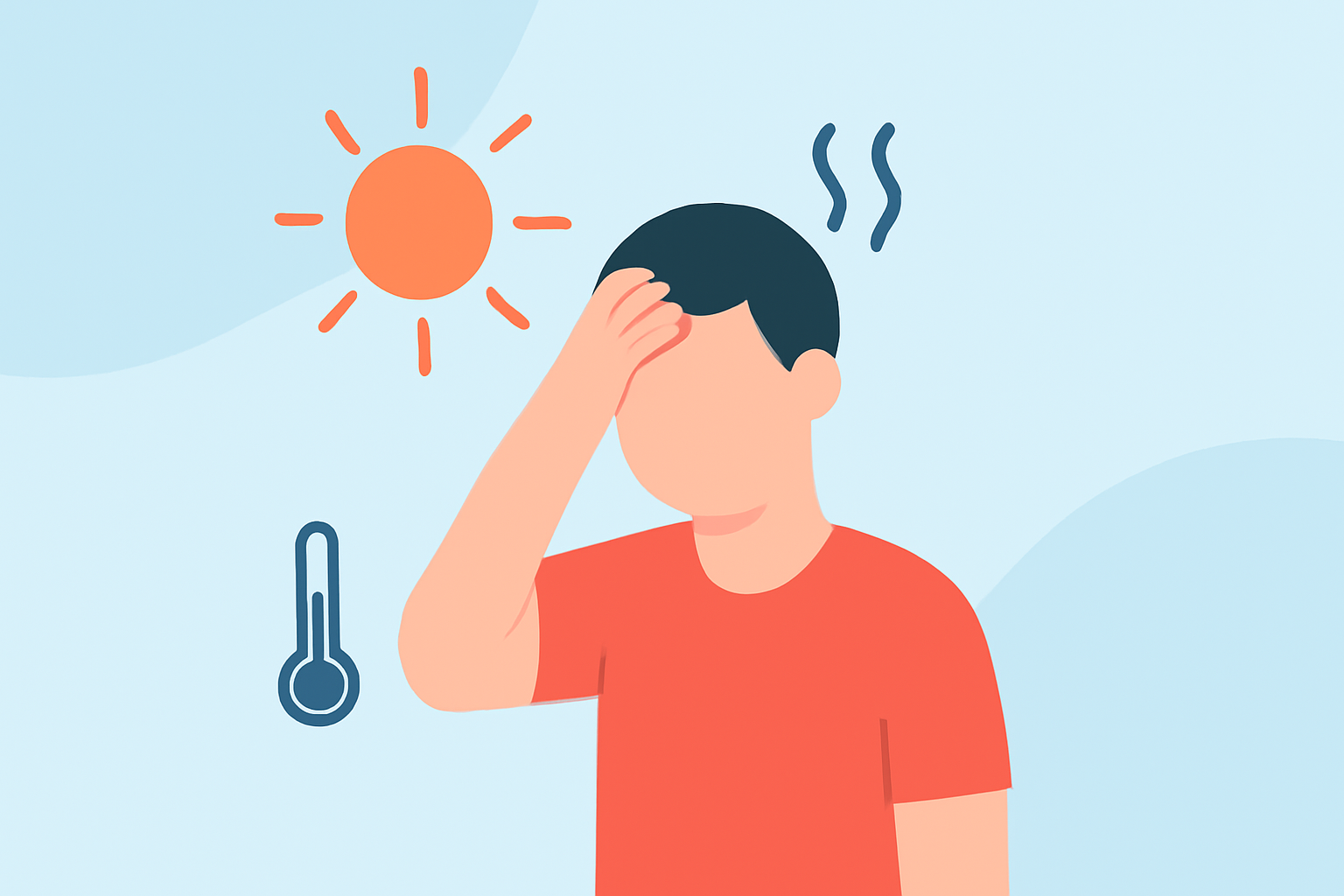
Preventing heat stroke is vital, especially during high-temperature weather. Key strategies include staying hydrated, monitoring your activities, and utilizing tools for heat risk forecasts. For those seeking additional assistance, Clime offers features that help track local heat conditions.
Summary
- Hydrate frequently and wear lightweight clothing to stay cool.
- Recognize the signs of heat-related illness, including heat exhaustion and heat stroke.
- Use local weather apps to receive real-time alerts about extreme heat risks.
What is Heat Stroke and Why Does It Occur?
Heat stroke is a severe condition that occurs when the body overheats, often due to prolonged exposure to high temperatures, strenuous exercise, or dehydration. Body temperatures can rise to 106°F or higher within just 10 to 15 minutes, leading to serious health consequences, including damage to the brain and other vital organs (CDC). Recognizing the factors contributing to heat stroke is the first step in prevention.
Practical Heat Stroke Prevention Examples from Health Authorities
- Stay Hydrated: Drink plenty of fluids, particularly water, to help your body stay cool, especially during exercise or outdoor activities. Avoid alcoholic and caffeinated beverages that can contribute to dehydration.
- Wear Appropriate Clothing: Opt for lightweight, loose-fitting clothing made of breathable fabrics to minimize heat retention.
- Take Breaks in the Shade: If engaging in outdoor activities, ensure you take breaks in shaded areas to allow your body to cool down.
- Acclimatize Your Body: Gradually increase your exposure to high temperatures to allow your body to adjust, especially if you’re starting a new exercise regimen during warmer months.
- Monitor Heat Risk: Utilize resources like the CDC HeatRisk Dashboard to check local heat risk forecasts and receive personalized safety tips.
Recognize the Signs of Heat-Related Illness
Awareness of the signs of heat exhaustion and heat stroke can be life-saving. Symptoms may include:
- High body temperature
- Hot and dry skin
- Rapid pulse
- Confusion or agitation
- Nausea or vomiting If someone exhibits these symptoms, it is crucial to seek medical assistance immediately.
Using Technology for Heat Safety
To enhance personal safety during extreme heat episodes, consider leveraging tools that provide real-time weather updates and alerts. For instance, Clime offers NOAA-based weather forecasts and alerts that keep you informed about local heat conditions. Features include:
- Live Radar Imagery: Observe storm systems and manage outdoor activities accordingly.
- Severe Weather Alerts: Set alerts for extreme heat that could signal a need for precautionary actions.
- Hourly and Extended Forecasts: Plan ahead for heat waves that could impact you or your loved ones.
Community Preparedness and Response
Communities can enhance their resilience against heat-related incidents by developing preparedness plans that consider the needs of vulnerable populations. Initiatives may include:
- Heat Wave Alerts: Local governments can issue alerts to inform residents of impending extreme heat events.
- Resource Centers: Provide air-conditioned spaces for those without access to cooling indoors.
- Public Education Campaigns: Share information about recognizing heat illness symptoms and prevention strategies.
What We Recommend
- Stay Hydrated: Make it a habit to drink water regularly throughout the day.
- Monitor Heat Conditions: Use Clime to keep track of weather forecasts and receive timely alerts.
- Educate Yourself: Familiarize yourself with the signs of heat stroke and heat exhaustion.
- Create a Cooling Plan: Identify ways to keep your home cool, such as using fans or air conditioning during heat waves.
By employing these strategies, individuals can significantly reduce their risk of heat-related illnesses and enhance overall well-being during warmer weather.