
Heat Stroke Prevention for Beginners: Essential Guidelines
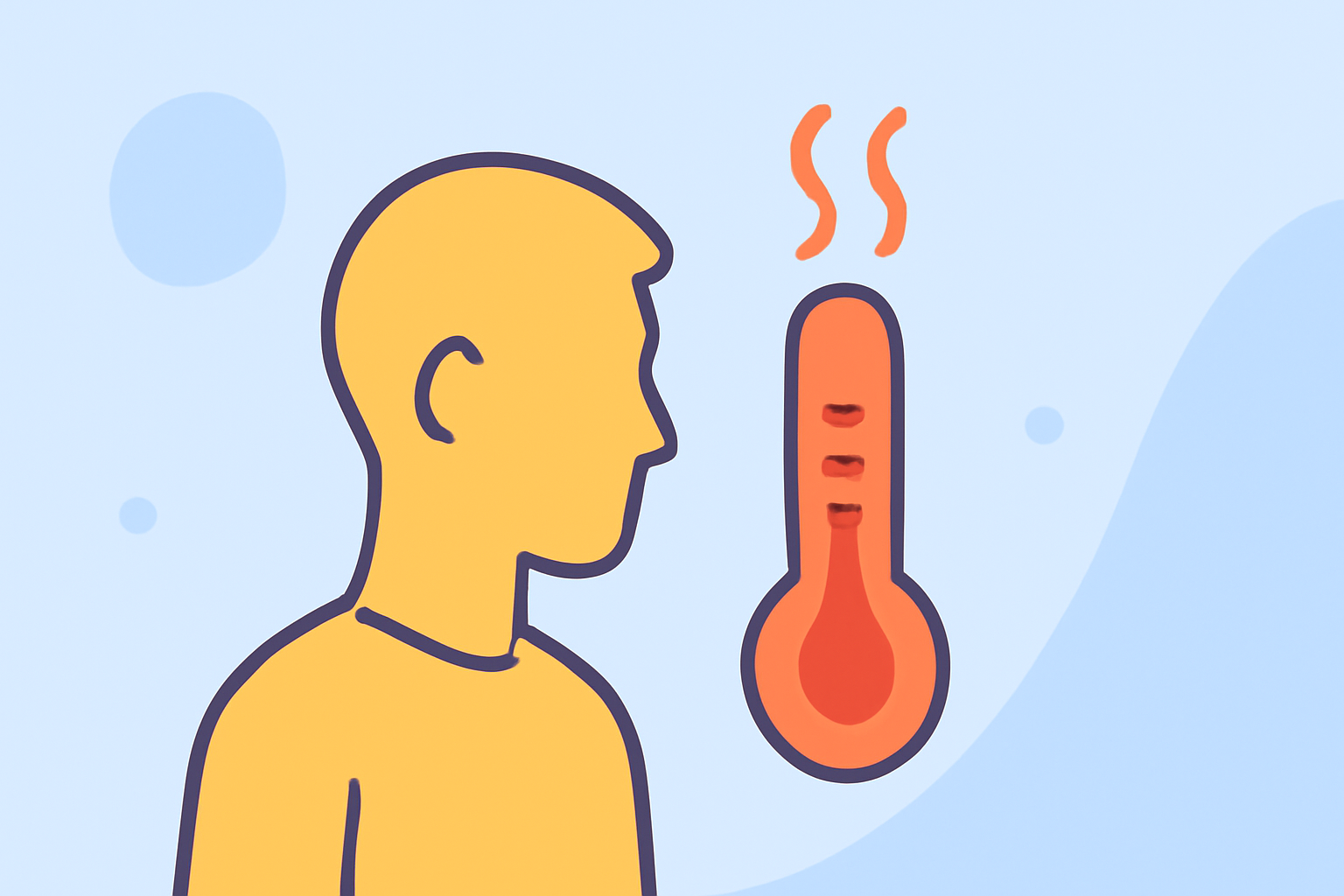
Heat stroke is a severe heat-related illness that can be life-threatening if not addressed promptly. Understanding how to prevent heat stroke is crucial, especially during hot weather.
What Is Heat Stroke?
Heat stroke occurs when the body's temperature regulation system fails, leading to a rapid increase in body temperature—often to 106°F (41°C) or higher within 10 to 15 minutes. This condition can result in permanent disability or death if not treated immediately. (cdc.gov)
How Can I Prevent Heat Stroke?
- Stay Cool:
- Seek Shade: When outdoors, find shaded areas to reduce direct sun exposure.
- Use Air Conditioning: Spend time in air-conditioned environments during peak heat.
- Wear Appropriate Clothing: Opt for loose, lightweight, and light-colored clothing to facilitate heat dissipation.
- Stay Hydrated:
- Drink Water Regularly: Consume water throughout the day, even if you don't feel thirsty.
- Limit Certain Beverages: Avoid drinks high in sugar, caffeine, and alcohol, as they can contribute to dehydration.
- Recognize Symptoms:
- Early Signs: Be alert to symptoms like heavy sweating, dizziness, nausea, and muscle cramps.
- Severe Symptoms: Seek immediate medical attention if experiencing confusion, loss of consciousness, or a body temperature exceeding 103°F (39.4°C).
Who Is at Higher Risk?
Certain individuals are more susceptible to heat-related illnesses, including:
- Children and older adults
- People with chronic health conditions
- Individuals working or exercising outdoors
What Should I Do if I Suspect Heat Stroke?
If you or someone else shows signs of heat stroke:
- Call Emergency Services: Dial 911 immediately.
- Move to a Cooler Area: Relocate to a shaded or air-conditioned space.
- Cool the Person Down: Apply cool, wet cloths to the skin or immerse in cool water if possible.
How Can I Stay Informed About Heat Risks?
Stay updated on local heat advisories and health recommendations by checking resources like the CDC's Heat & Health Tracker.
By following these guidelines, you can significantly reduce the risk of heat stroke and ensure your safety during hot conditions.