
Heat Stroke Prevention: Essential Steps to Safeguard Your Health
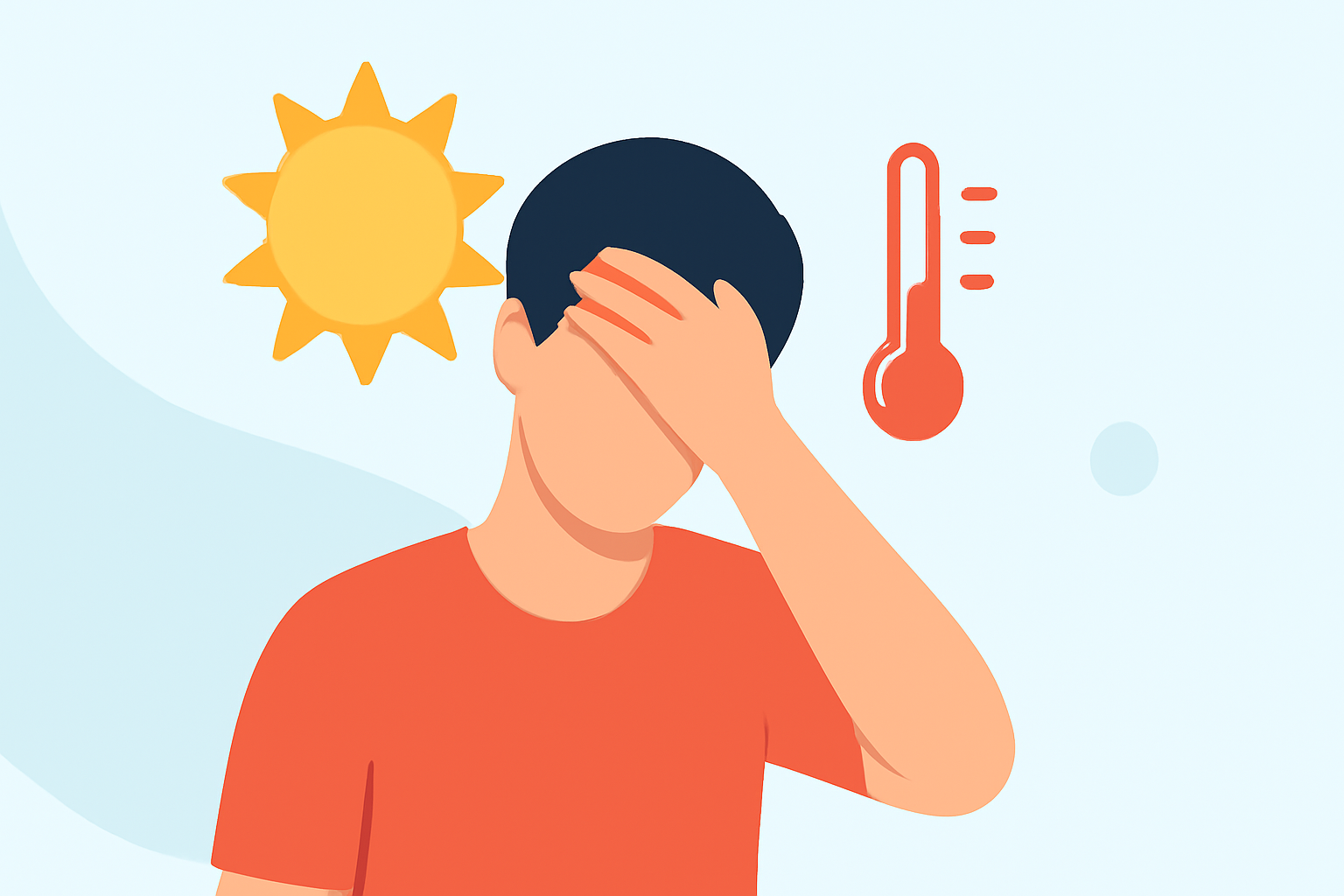
Heat stroke is a severe heat-related illness that occurs when the body’s temperature regulation fails, leading to a rapid increase in body temperature. This condition can be life-threatening if not addressed promptly. Understanding how to prevent heat stroke is crucial, especially during hot weather.
What Is Heat Stroke?
Heat stroke is the most serious heat-related illness. It occurs when the body can no longer control its temperature: the body's temperature rises rapidly, the sweating mechanism fails, and the body is unable to cool down. When heat stroke occurs, the body temperature can rise to 106°F or higher within 10 to 15 minutes. Heat stroke can cause permanent disability or death if the person does not receive emergency treatment. (cdc.gov)
Recognizing the Symptoms of Heat Stroke
Early detection of heat stroke symptoms is vital for effective intervention. Common signs include:
- Confusion or altered mental status
- Loss of consciousness
- Hot, dry skin or profuse sweating
- Seizures
- Very high body temperature
If you or someone else exhibits these symptoms, seek emergency medical care immediately. (cdc.gov)
Preventive Measures to Avoid Heat Stroke
Implementing preventive strategies can significantly reduce the risk of heat stroke:
- Stay Cool
- Seek Shade: When outdoors, find shaded areas to minimize direct sun exposure.
- Use Air Conditioning: Spend time in air-conditioned environments during peak heat periods.
- Wear Appropriate Clothing: Opt for loose, lightweight, and light-colored clothing to facilitate heat dissipation.
- Stay Hydrated
- Increase Fluid Intake: Drink plenty of water throughout the day, even if you don't feel thirsty.
- Limit Certain Beverages: Avoid alcohol and drinks high in sugar or caffeine, as they can contribute to dehydration.
- Monitor Urine Color: Light yellow or clear urine typically indicates adequate hydration.
- Plan Activities Wisely
- Schedule Outdoor Tasks: Perform strenuous activities during cooler parts of the day, such as early morning or evening.
- Pace Yourself: Gradually increase the intensity of physical activities to allow your body to acclimate.
- Be Aware of Medications
- Consult Healthcare Providers: Some medications can affect your body's ability to regulate temperature. Discuss with your doctor how heat may impact your medications and develop a Heat Action Plan. (cdc.gov)
Special Considerations for Vulnerable Populations
Certain groups are more susceptible to heat-related illnesses:
- Infants and Children: Ensure they are in cool environments and well-hydrated.
- Older Adults: Monitor for signs of heat-related illnesses and encourage regular fluid intake.
- Individuals with Chronic Health Conditions: Those with heart disease, asthma, or other chronic conditions should take extra precautions during hot weather.
Creating a Heat Action Plan
Developing a Heat Action Plan involves:
- Identifying Cooling Centers: Locate air-conditioned public places or community centers.
- Establishing Communication: Set up check-in procedures with family, friends, or neighbors during heat events.
- Preparing Emergency Contacts: List local emergency services and healthcare providers.
By proactively implementing these strategies, you can significantly reduce the risk of heat stroke and ensure your safety during extreme heat conditions.
Highlights:
- About Heat and Your Health | Heat Health | CDC, Published on Thursday, July 24
- Heat-related Illnesses | Heat | CDC, Published on Monday, March 02
- About Heat and Your Health | Heat Health | CDC, Published on Thursday, July 24