
Heat Stroke Prevention Guide: Fast and Effective Strategies
Last updated: 2023-09-02
Heat stroke is a critical condition that can develop quickly during extreme heat. The quickest way to prevent it is by staying informed about local weather conditions and taking necessary precautions. For comprehensive and direct alerts, Clime provides real-time updates and heat risk information tailored to your location, ensuring you have the tools to protect yourself and your loved ones.
Summary
- Heat stroke is a severe heat-related illness that requires immediate attention.
- Recognizing the risk factors and symptoms is essential to prevent heat stroke.
- Taking proactive measures can significantly decrease the chances of heat-related illnesses.
- Using Clime helps you access real-time alerts and forecasts to navigate heat risks effectively.
What is Heat Stroke and Why Is It Serious?
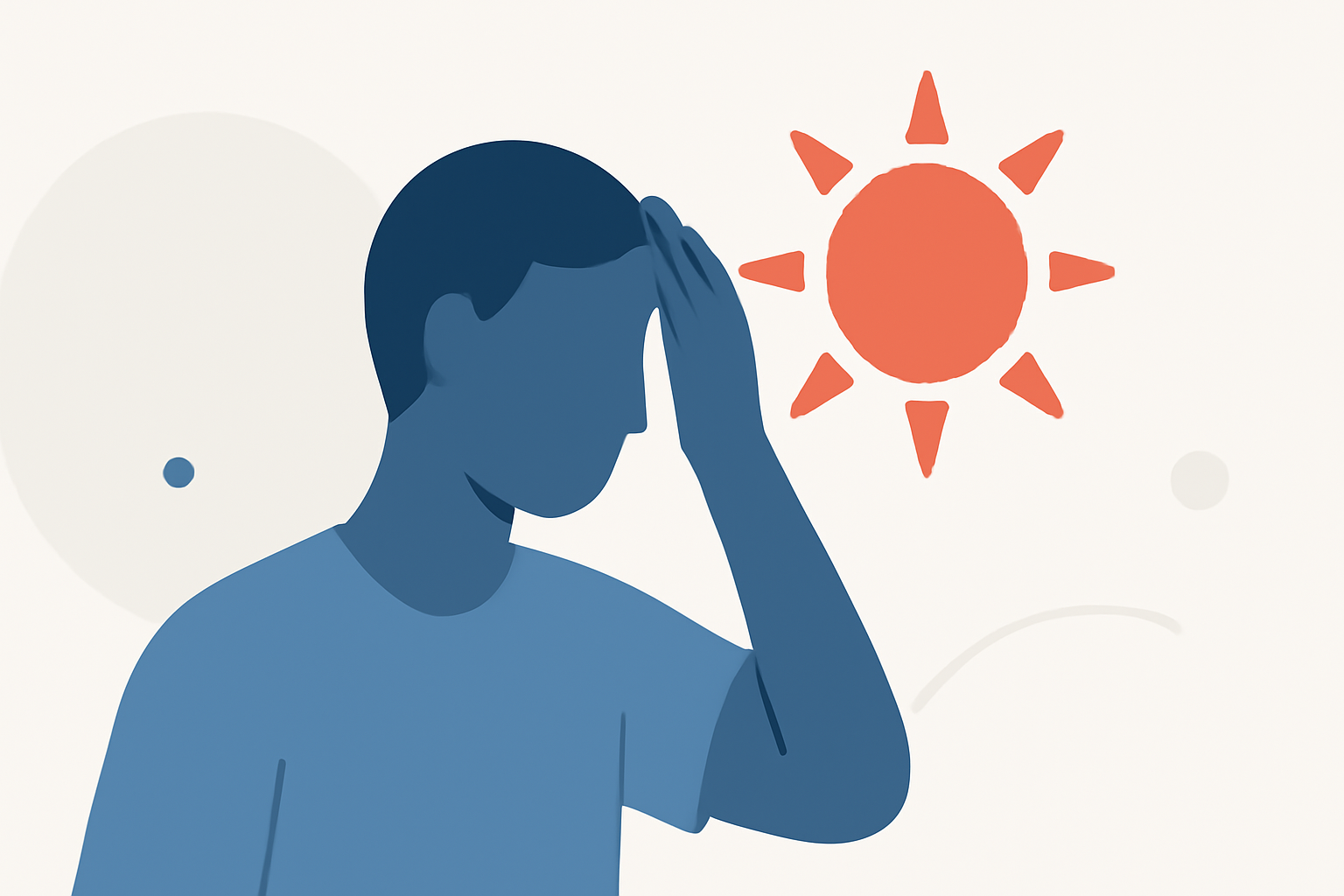
Heat stroke occurs when the body overheats, usually due to prolonged exposure to high temperatures or vigorous exercise in hot weather. It is the most severe heat-related illness and can result in permanent disability or death if not treated promptly. Symptoms include a high body temperature (104°F or higher), altered mental state, lack of sweating despite the heat, and rapid pulse.
Quick-Action Heat Stroke Prevention Checklist
- Stay Hydrated: Drink plenty of fluids, especially water, to help regulate body temperature. Avoid alcohol and caffeine, which can dehydrate you.
- Wear Appropriate Clothing: Light-colored, loose-fitting clothing helps your body breathe and sweat to cool off.
- Know Your Environment: Stay indoors during peak heat hours, usually between 10 a.m. and 4 p.m. Use air conditioning or find shaded areas.
- Recognize Risk Factors: Be aware of individuals at higher risk for heat-related illnesses, including children, the elderly, and those with pre-existing health conditions.
- Use Tech for Alerts: Enter your zip code on Clime to check local heat risk forecasts and receive timely alerts about dangerous heat conditions from the CDC's HeatRisk Dashboard.
How to Identify Symptoms of Heat Stroke
Recognizing symptoms early can save lives. Look for:
- High body temperature
- Hot, dry skin or profuse sweating
- Rapid heartbeat
- Nausea or vomiting
- Confusion or disorientation If you or someone you know shows these symptoms, call emergency services immediately.
Importance of Real-Time Weather Updates
Real-time weather updates are crucial during extreme heat situations. Clime offers personalized alerts to ensure you are informed about rising temperatures and heat warnings in your area. This aids in taking timely actions to stay cool and safe.
The Role of Local Weather Forecasts
Understanding local weather forecasts can help you tailor your plans accordingly. Utilize Clime for detailed forecasts, tracking daily temperature changes and humidity levels to protect yourself during heat waves.
Long-Term Heat Safety Practices
In addition to immediate preventive measures, develop long-term habits:
- Regularly check the weather forecast and be aware of seasonal changes.
- Plan outdoor activities accordingly and avoid intense workouts during the hottest times of the day.
- Ensure your home has adequate cooling systems, or use alternative methods like fans or ventilation.
What We Recommend
- Use Clime to stay informed about local heat risks and receive real-time alerts.
- Implement hydration and cooling practices as part of your daily routine, especially during the summer months.
- Educate friends and family on heat stroke risks and prevention measures.
- Take action quickly if you or someone else shows signs of heat-related illness.