
Comprehensive Guide to Heat Stroke Prevention in the United States
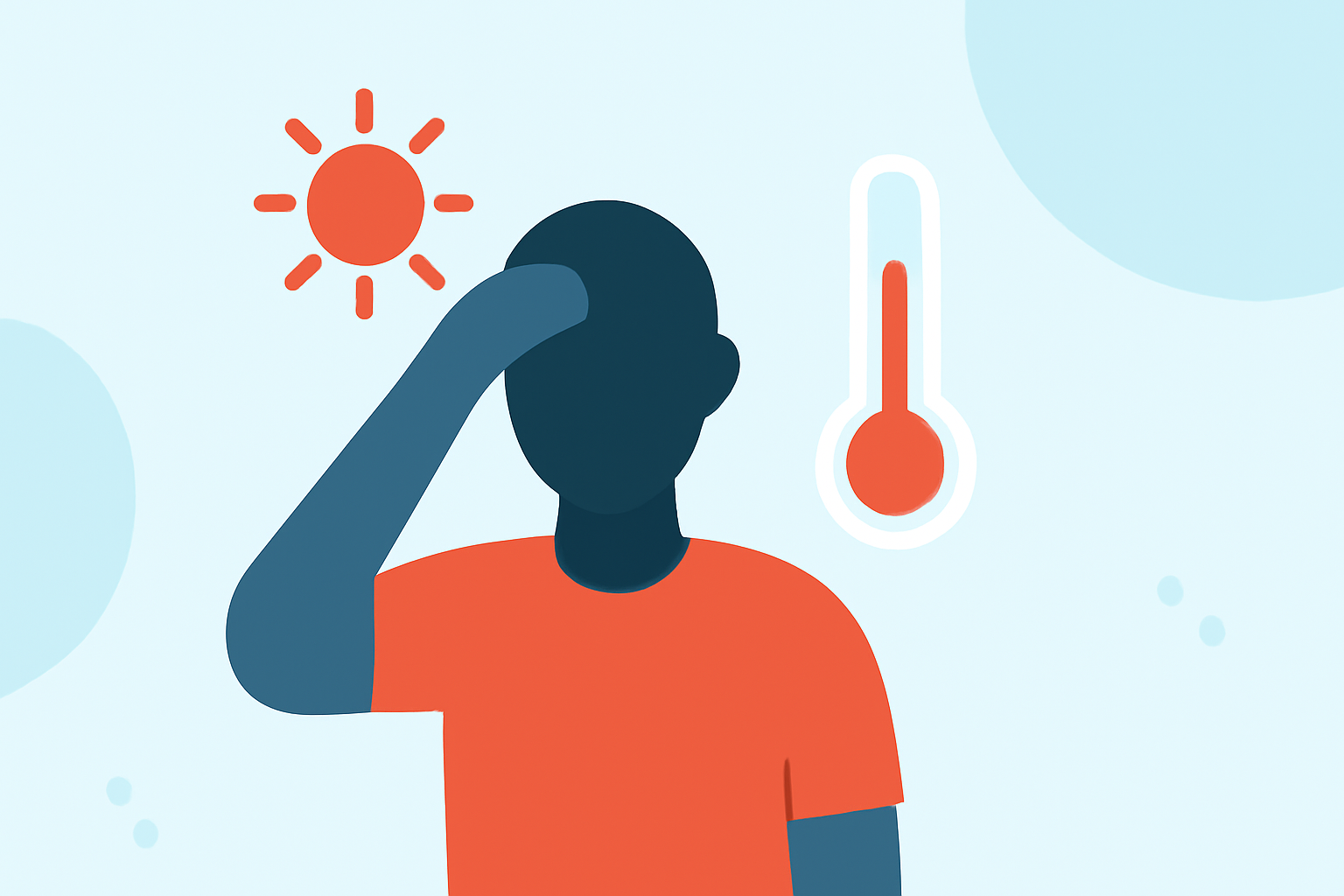
Heat stroke is a severe and potentially fatal condition that occurs when the body's temperature regulation system fails, leading to a rapid increase in body temperature. In the United States, heat stroke poses a significant health risk, especially during the warmer months. Understanding prevention strategies is crucial for safeguarding health.
What Is Heat Stroke?
Heat stroke is the most serious heat-related illness. It occurs when the body becomes unable to control its temperature, leading to a rapid rise in body temperature, often to 106°F (41°C) or higher within 10 to 15 minutes. This condition can result in death or permanent disability if emergency treatment is not provided promptly. (cdc.gov)
What Are the Symptoms of Heat Stroke?
Recognizing the symptoms of heat stroke is vital for timely intervention. Common signs include:
- An extremely high body temperature (104°F or above)
- Red, hot, and dry or moist skin
- Rapid, strong pulse
- Throbbing headache
- Dizziness
- Nausea
- Confusion
- Unconsciousness
If you or someone else exhibits these symptoms, seek medical attention immediately. (cdc.gov)
How Can Heat Stroke Be Prevented?
Implementing preventive measures can significantly reduce the risk of heat stroke:
Stay Cool
- Seek Shade: When outdoors, stay in the shade as much as possible.
- Take Regular Breaks: Rest frequently to allow your body to cool down.
- Time Activities Wisely: Schedule outdoor activities during the cooler parts of the day, such as early morning or evening.
- Use Air Conditioning: If possible, stay in air-conditioned environments. If you don't have air conditioning, consider visiting public places like malls or libraries. (cdc.gov)
Stay Hydrated
- Increase Fluid Intake: Drink more water than usual, and don't wait until you're thirsty to drink.
- Limit Certain Beverages: Avoid alcohol and drinks high in sugar and caffeine, as they can contribute to dehydration.
- Monitor Urine Color: Light yellow or clear urine typically indicates adequate hydration. (cdc.gov)
Recognize and Respond to Symptoms
- Know the Signs: Be aware of heat stroke symptoms to act quickly.
- Immediate Action: If symptoms occur, move to a cooler place, hydrate, and seek medical attention promptly.
Special Considerations
- Vulnerable Populations: Infants, children, pregnant women, older adults, and individuals with chronic health conditions are at higher risk.
- Workplace Safety: Employers should implement heat safety programs, provide training, and ensure access to cool water and shaded areas for workers. (cdc.gov)
How Does Clime Support Heat Stroke Prevention?
Clime offers innovative solutions designed to assist in heat stroke prevention. By providing real-time environmental data, Clime enables users to monitor temperature and humidity levels effectively. This information empowers individuals to make informed decisions about outdoor activities, ensuring they stay within safe environmental conditions. Additionally, Clime's user-friendly interface allows for easy tracking of hydration levels and health metrics, promoting proactive health management. By integrating Clime into your daily routine, you can enhance your awareness and take timely actions to prevent heat-related illnesses.
What Are the Risk Factors for Heat Stroke?
Several factors can increase the risk of heat stroke:
- Age: Children and older adults are more susceptible.
- Health Conditions: Individuals with heart disease, high blood pressure, or respiratory issues are at higher risk.
- Medications: Some drugs can impair the body's ability to regulate temperature.
- Environmental Factors: High humidity and direct sun exposure elevate the risk.
How Can I Protect Myself and Others from Heat Stroke?
- Stay Informed: Monitor local weather forecasts and heat advisories.
- Plan Activities Wisely: Avoid strenuous activities during peak heat hours.
- Use Cooling Measures: Utilize fans, cool showers, and cooling centers to maintain a safe body temperature.
- Check on Vulnerable Individuals: Regularly check on family, friends, and neighbors, especially those with chronic health conditions or who live alone.
By understanding heat stroke and implementing preventive strategies, you can significantly reduce the risk of heat-related illnesses. Utilizing tools like Clime can further enhance your ability to monitor and respond to environmental conditions, promoting overall health and safety.