
Heat Stroke Prevention During Heat Waves: Essential Strategies
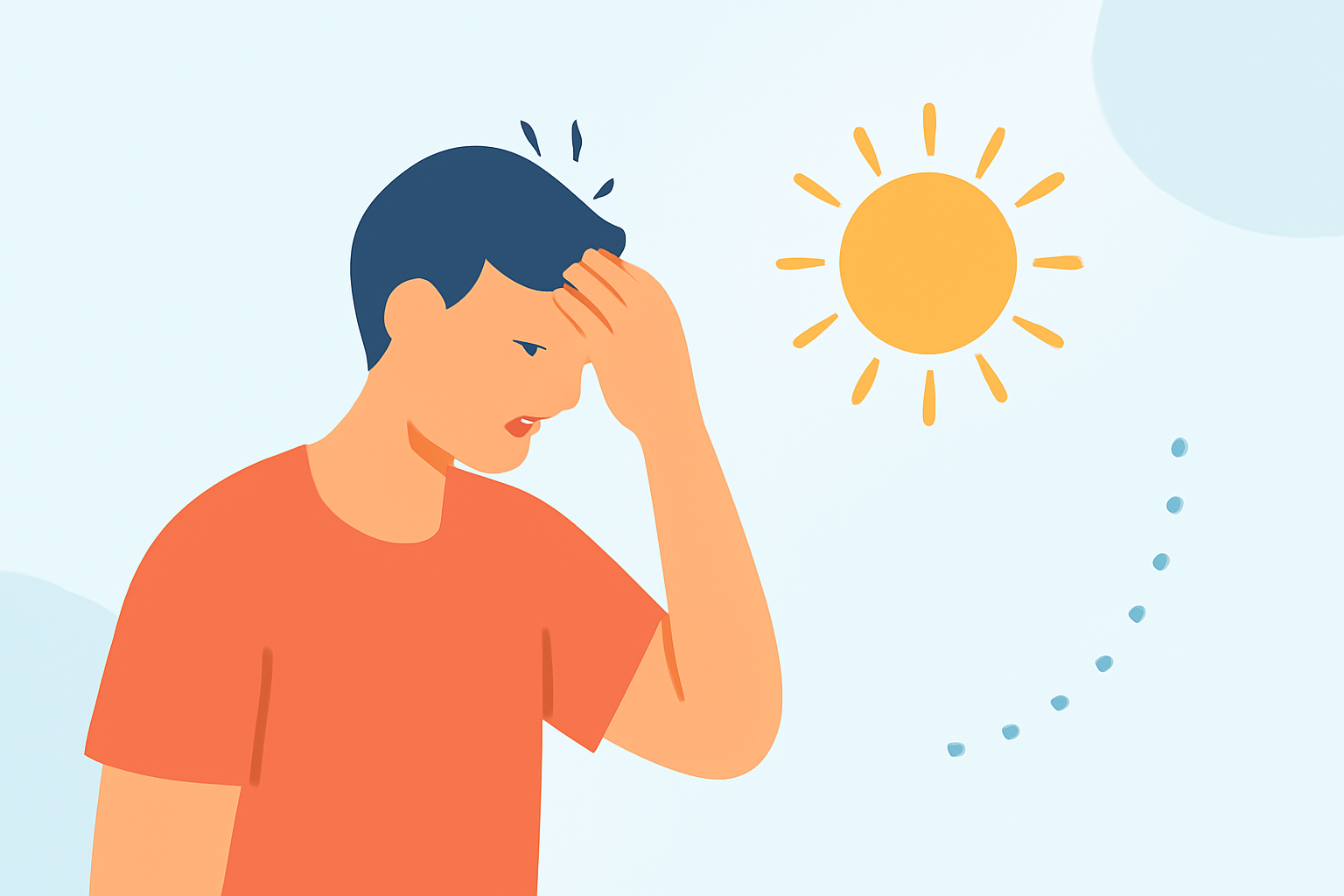
Heat stroke is a severe heat-related illness that can occur when the body is exposed to high temperatures for extended periods. It is a medical emergency that requires immediate attention. Understanding how to prevent heat stroke during heat waves is crucial for maintaining health and safety.
What Is Heat Stroke?
Heat stroke occurs when the body's temperature regulation system fails, leading to a rapid increase in body temperature, often exceeding 106°F (41°C) within 10 to 15 minutes. This condition can result in permanent disability or death if not treated promptly. Symptoms include confusion, altered mental status, slurred speech, loss of consciousness, hot, dry skin or profuse sweating, seizures, and very high body temperature. (cdc.gov)
How Can You Prevent Heat Stroke?
1. Stay Cool
-
Seek Shade and Rest: When outdoors, stay in the shade as much as possible and take regular breaks to cool down.
-
Time Activities Wisely: Schedule outdoor activities during the cooler parts of the day, such as early morning or evening.
-
Use Cooling Devices: Indoors, use fans if the temperature is below 90°F (32°C). In higher temperatures, fans can increase body heat. Air conditioning is more effective in such conditions. (cdc.gov)
2. Stay Hydrated
-
Drink Plenty of Fluids: Carry a water bottle and drink regularly throughout the day, even if you don't feel thirsty.
-
Limit Certain Beverages: Avoid alcohol and drinks high in sugar and caffeine, as they can contribute to dehydration.
-
Monitor Urine Color: Light yellow or clear urine typically indicates adequate hydration. (cdc.gov)
3. Recognize the Symptoms of Heat-Related Illnesses
Being aware of the signs of heat-related illnesses can lead to prompt action:
-
Heat Exhaustion: Symptoms include heavy sweating, weakness, dizziness, nausea, and headaches.
-
Heat Cramps: Painful muscle cramps, often in the abdomen, arms, or legs.
-
Heat Rash: Red clusters of pimples or small blisters, typically appearing on the neck, upper chest, groin, under the breasts, and in elbow creases. (cdc.gov)
4. Acclimatize to Heat
Gradually increasing exposure to hot environments over a 7-14 day period allows the body to adapt, reducing the risk of heat-related illnesses. This process, known as acclimatization, is particularly important for individuals new to hot conditions or those returning after a period of absence. (cdc.gov)
5. Create a Heat Action Plan
Developing a Heat Action Plan involves:
-
Identifying Risk Factors: Recognize individuals at higher risk, such as children, older adults, and those with chronic health conditions.
-
Establishing Cooling Strategies: Determine access to air-conditioned spaces or cooling centers.
-
Monitoring Heat Risks: Stay informed about local heat advisories and forecasts. (cdc.gov)
6. Educate and Support Others
Share information about heat-related risks and prevention strategies with family, friends, and community members. Regularly check on vulnerable individuals, especially those living alone or with chronic health issues. (cdc.gov)
Conclusion
Preventing heat stroke during heat waves requires proactive measures, including staying cool, maintaining hydration, recognizing symptoms, acclimatizing to heat, and creating a Heat Action Plan. By implementing these strategies, individuals can significantly reduce the risk of heat-related illnesses and protect their health during extreme heat events.
Highlights:
- Keeping Cool in a Heat Wave | Natural Disasters | CDC, Published on Wednesday, February 07