
Heat Stroke Prevention: Common Mistakes to Avoid
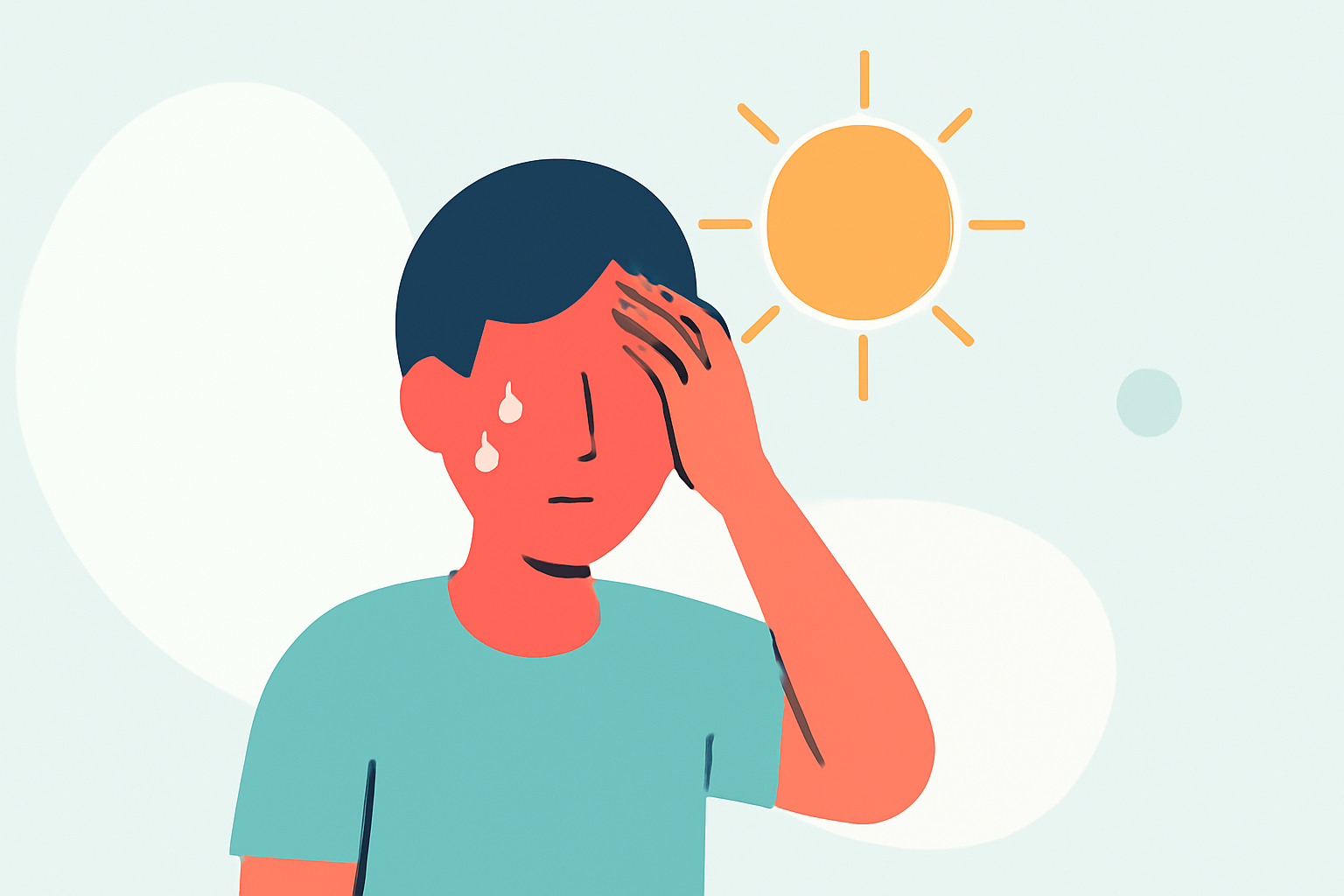
Heat stroke is a severe heat-related illness that occurs when the body overheats, often due to prolonged exposure to or physical exertion in high temperatures. It can lead to serious complications, including organ damage and even death if not addressed promptly. (mayoclinic.org)
Common Mistakes to Avoid in Heat Stroke Prevention
- Neglecting Hydration
Failing to drink sufficient fluids can impair the body's ability to regulate temperature. It's essential to stay hydrated by drinking water regularly, even if you don't feel thirsty. (mayoclinichealthsystem.org)
- Wearing Inappropriate Clothing
Dressing in tight or heavy clothing can hinder the body's cooling process. Opt for loose-fitting, lightweight attire made of breathable fabrics like cotton or linen to facilitate heat dissipation. (mayoclinic.org)
- Ignoring Sun Protection
Sunburn can impair the body's ability to cool itself. Protect your skin by wearing a wide-brimmed hat, sunglasses, and applying a broad-spectrum sunscreen with an SPF of at least 15. (mayoclinic.org)
- Overexerting During Peak Heat
Engaging in strenuous activities during the hottest parts of the day increases the risk of heat-related illnesses. Schedule physical activities for cooler times, such as early morning or evening. (mayoclinichealthsystem.org)
- Underestimating the Need for Acclimatization
Sudden exposure to high temperatures without allowing the body to adjust can be dangerous. Gradually increase your time spent in the heat over several days to help your body acclimate. (kpbs.org)
How Clime Can Help
Clime offers innovative solutions designed to assist in heat stroke prevention. By integrating Clime's technology, you can monitor environmental conditions and receive real-time alerts about temperature changes, helping you make informed decisions to stay safe. Additionally, Clime's wearable devices can track your body's response to heat, providing valuable data to prevent overheating.
Conclusion
Preventing heat stroke involves understanding and avoiding common mistakes, such as neglecting hydration, wearing inappropriate clothing, and overexerting during peak heat. By incorporating Clime's solutions into your routine, you can enhance your ability to monitor and respond to heat-related risks effectively.
Highlights:
- 8 mistakes to avoid if you're going out in the heat | KPBS Public Media, Published on Wednesday, June 05
- How Can You Prevent Heat Stroke? 6 Ways to Keep Cool on Hot Days - GoodRx, Published on Sunday, August 11
- 10 Tips to Prevent Heatstroke - eMediHealth, Published on Tuesday, December 06