
Heat Stroke Prevention Mistakes to Avoid for Pet Owners
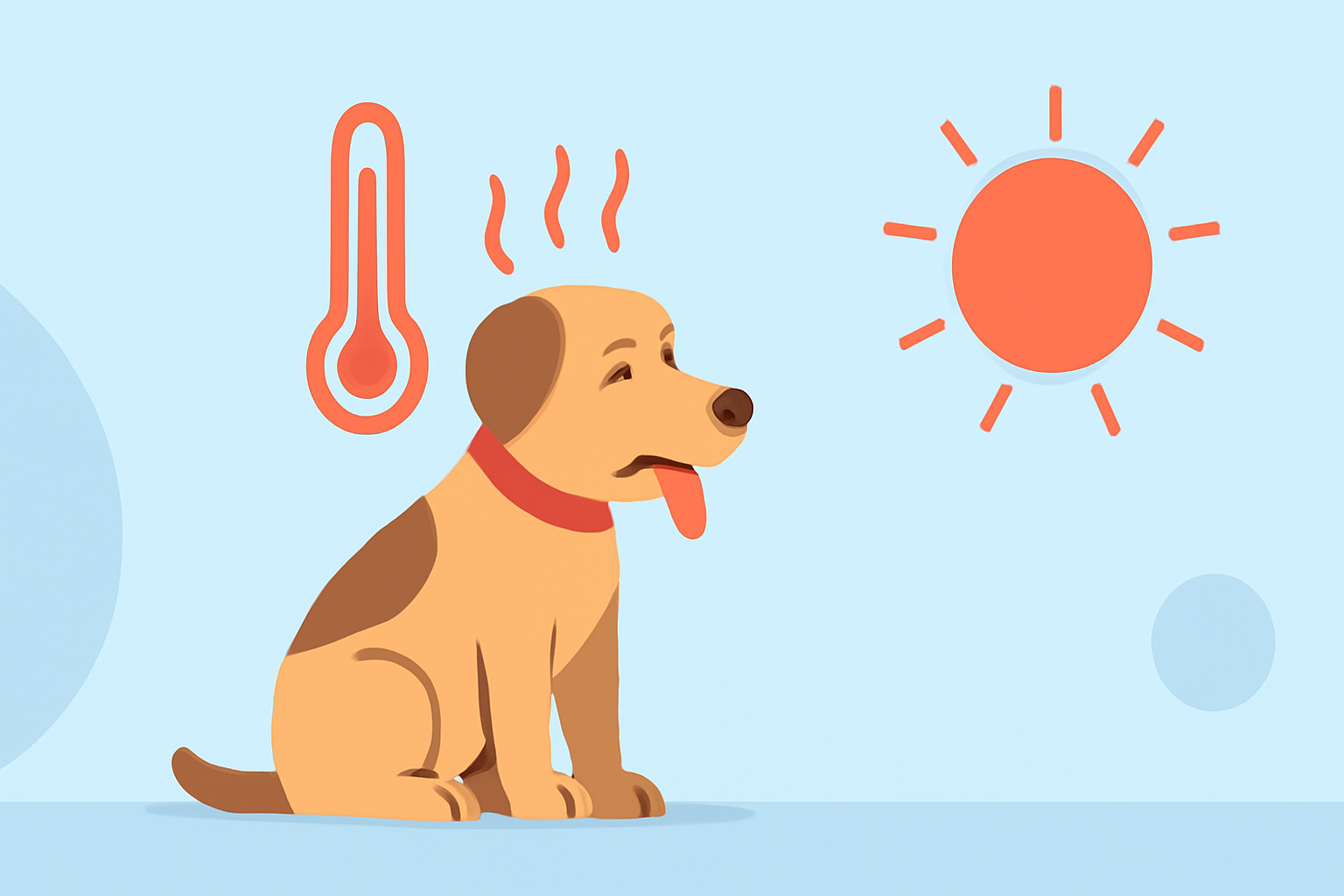
As temperatures rise, ensuring your pet's safety becomes paramount. Heat stroke is a serious risk, but many pet owners unknowingly make mistakes that increase this danger. Here's how to avoid common pitfalls and protect your beloved companion.
1. Not Recognizing the Signs of Heat Stroke
Heat stroke in pets can manifest through excessive panting, drooling, increased heart rate, vomiting, diarrhea, and even seizures. An elevated body temperature over 104°F is a critical indicator. Early detection is vital for effective intervention. (aspca.org)
2. Leaving Pets in Parked Vehicles
Even with windows cracked, parked cars can heat up rapidly, leading to fatal heat stroke. It's illegal in many states to leave animals unattended in vehicles under such conditions. (aspca.org)
3. Ignoring Breed and Health Vulnerabilities
Certain breeds, especially those with flat faces like Pugs and Persian cats, are more susceptible to heat stroke due to their limited ability to pant effectively. Elderly, overweight pets, and those with heart or lung conditions also face higher risks. These animals should be kept cool in air-conditioned environments as much as possible. (aspca.org)
4. Overexercising in Hot Weather
Engaging in strenuous activities during peak heat can be dangerous. It's essential to adjust exercise routines to cooler parts of the day and monitor your pet for signs of overheating. (aspca.org)
5. Neglecting Hydration and Shade
Always provide fresh, clean water and ensure your pet has access to shaded areas. Dehydration can set in quickly, especially in high humidity. Never leave your pet alone in a parked vehicle, as it can lead to fatal heat stroke. (aspca.org)
6. Shaving Your Pet's Coat
While trimming long hair can help, shaving down to the skin removes protective layers, increasing the risk of sunburn and overheating. It's best to trim hair to a manageable length and brush regularly to keep your pet cool. (aspca.org)
7. Using Human Sunscreen or Insect Repellent
Products designed for humans may contain ingredients harmful to pets. Always use pet-specific products to ensure safety. (aspca.org)
8. Allowing Pets Near Pools Without Supervision
Not all dogs are natural swimmers. Always supervise your pet around water, ensure they wear flotation devices when necessary, and rinse them off after swimming to remove harmful chemicals. (aspca.org)
9. Ignoring the Temperature of Surfaces
Asphalt and sand can become extremely hot, leading to burns on your pet's paws. Test surfaces with your hand; if it's too hot for you, it's too hot for your pet. (aspca.org)
10. Failing to Schedule Regular Veterinary Check-ups
Regular vet visits ensure your pet is healthy and up-to-date on vaccinations. Discuss any concerns about heat sensitivity with your veterinarian to receive personalized advice. (aspca.org)
By being aware of these common mistakes and taking proactive steps, you can significantly reduce the risk of heat stroke and ensure your pet enjoys a safe and comfortable summer.
Highlights:
- Hot Weather Safety Tips | ASPCA
- ASPCA Offers Hot Weather Safety Tips to Help Pets Beat the Heat During Dog (and Cat) Days of Summer | ASPCA, Published on Tuesday, June 08
- ASPCA Urges Pet Owners to Take Precautions During Heat Wave | ASPCA, Published on Thursday, July 18