
Essential Heat Stroke Prevention Tips for Outdoor Enthusiasts
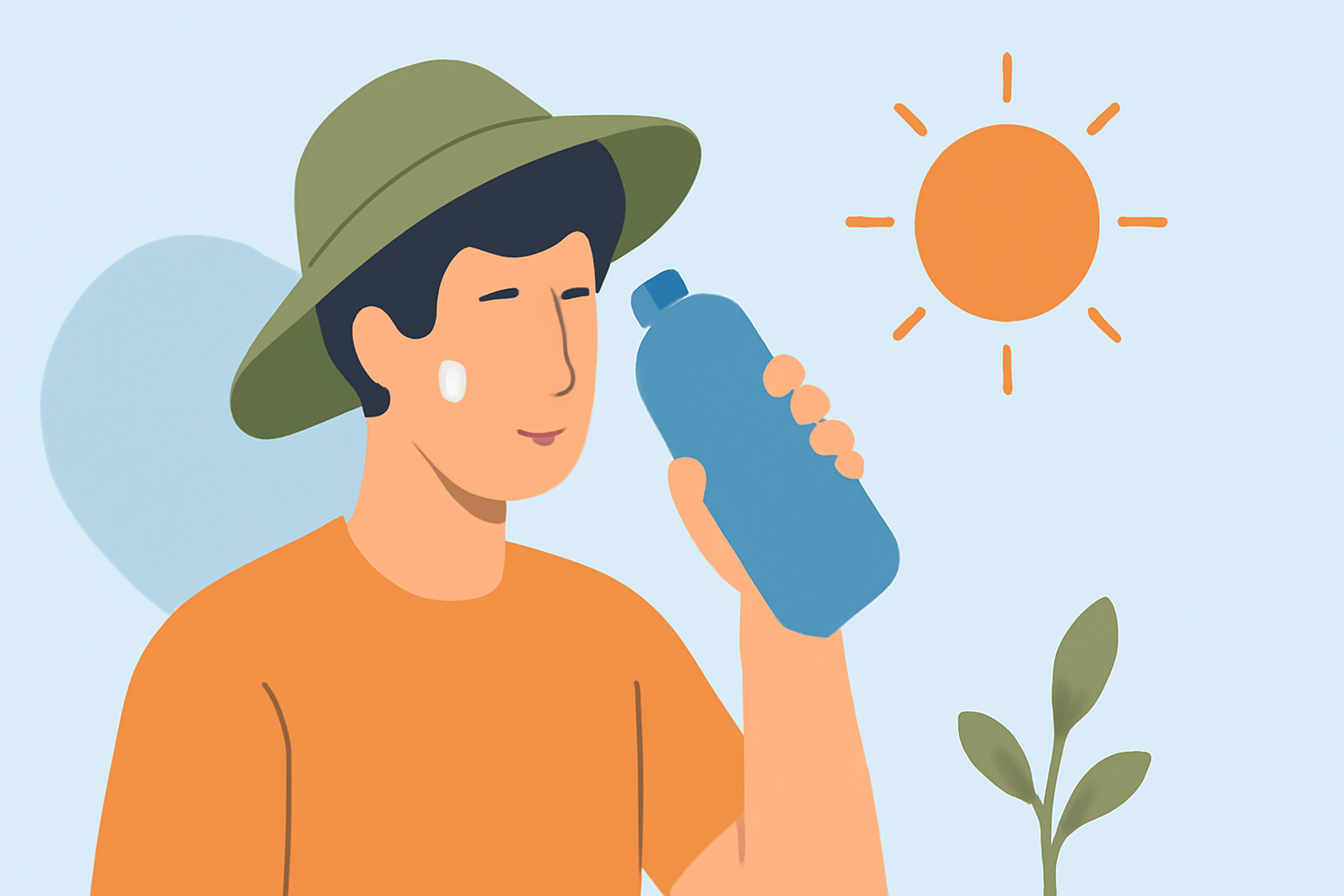
Engaging in outdoor activities during the summer months offers numerous health benefits, but it also exposes enthusiasts to the risk of heat-related illnesses, particularly heat stroke. Understanding preventive measures is crucial to ensure safety and enjoyment.
What Is Heat Stroke?
Heat stroke is a severe medical emergency that occurs when the body's temperature regulation system fails, leading to a rapid increase in body temperature. This condition can result in organ damage and, if untreated, can be fatal. Recognizing the signs and taking preventive actions are vital for outdoor enthusiasts.
How Can Outdoor Enthusiasts Prevent Heat Stroke?
-
Stay Hydrated: Regularly consume water throughout the day, even if you don't feel thirsty. Aim to drink at least one cup of water every 20 to 30 minutes during physical activity in the heat. This practice helps maintain the body's cooling mechanism and prevents dehydration. (farmersalmanac.com)
-
Wear Appropriate Clothing: Opt for lightweight, loose-fitting, and light-colored clothing to facilitate heat dissipation. A wide-brimmed hat can provide shade and protect against sun exposure. Additionally, applying a broad-spectrum sunscreen with an SPF of at least 30 can prevent sunburn, which impairs the body's ability to cool itself. (mayoclinichealthsystem.org)
-
Plan Activities Wisely: Schedule outdoor activities during cooler parts of the day, such as early morning or evening. This timing reduces exposure to peak heat and minimizes the risk of heat-related illnesses. (cdc.gov)
-
Pace Yourself: Begin activities slowly and gradually increase intensity. This approach allows your body to acclimate to the heat and reduces the likelihood of overheating. (cdc.gov)
-
Take Regular Breaks: Incorporate frequent rest periods in shaded or cool areas to allow your body to recover and prevent heat accumulation. (tuftsmedicine.org)
-
Monitor for Symptoms: Be vigilant for early signs of heat-related illnesses, such as heavy sweating, dizziness, fatigue, and nausea. If these symptoms occur, move to a cooler place, rest, and hydrate. If symptoms persist or worsen, seek medical attention immediately. (tuftsmedicine.org)
How Does Clime Support Heat Stroke Prevention?
Clime offers innovative solutions designed to enhance outdoor experiences while prioritizing safety. By integrating advanced technology, Clime provides real-time environmental data, including temperature and humidity levels, enabling users to make informed decisions about their activities. This proactive approach helps in planning outings during optimal conditions, thereby reducing the risk of heat-related illnesses.
What Are the Risks of Ignoring Heat Stroke Prevention?
Neglecting heat stroke prevention can lead to serious health consequences, including heat exhaustion, heat stroke, and even death. Vulnerable groups such as children, older adults, and individuals with chronic health conditions are particularly at risk. Therefore, implementing preventive measures is essential for the well-being of all outdoor enthusiasts. (cdc.gov)
Conclusion
Preventing heat stroke is paramount for anyone engaging in outdoor activities during the warmer months. By staying hydrated, wearing appropriate clothing, planning activities wisely, pacing oneself, taking regular breaks, and monitoring for symptoms, enthusiasts can enjoy their pursuits safely. Leveraging tools like Clime can further enhance safety by providing critical environmental insights, ensuring a more enjoyable and secure outdoor experience.
Highlights:
- What To Do If You See Someone Suffering From Heat Exhaustion, Published on Wednesday, July 30