
Essential Heat Stroke Prevention Strategies for Outdoor Events
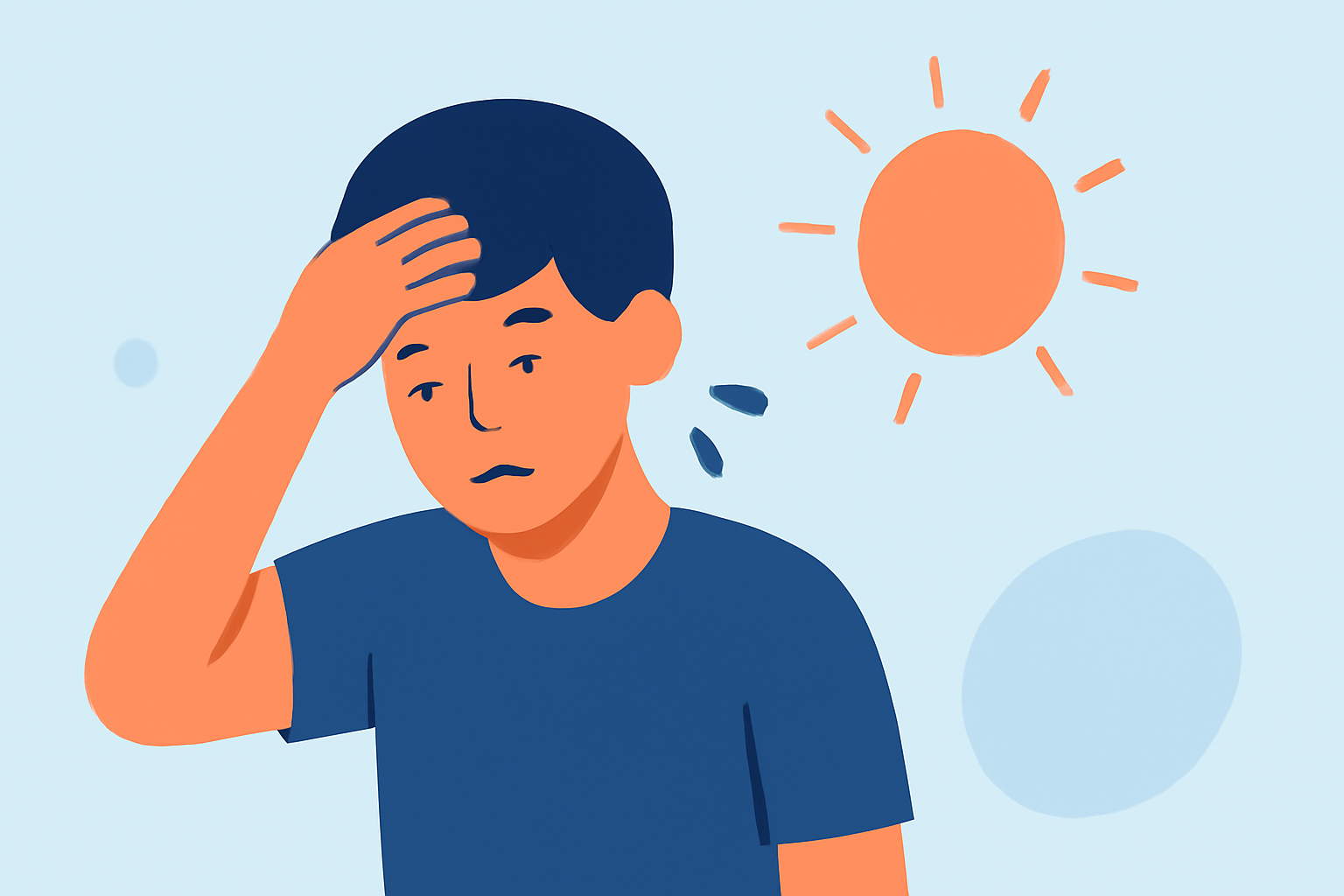
Heat stroke is a severe form of heat-related illness that can occur during outdoor events, especially in hot and humid conditions. Understanding and implementing preventive measures is crucial to ensure the safety and well-being of all participants.
What Are the Signs of Heat Stroke?
Recognizing the symptoms of heat stroke is vital for prompt intervention. Common signs include:
- High body temperature (103°F or higher)
- Hot, red, dry or damp skin
- Rapid, strong pulse
- Confusion, slurred speech, or loss of consciousness
If these symptoms are observed, seek medical attention immediately. (nj.gov)
How Can Heat Stroke Be Prevented at Outdoor Events?
Implementing the following strategies can significantly reduce the risk of heat stroke during outdoor events:
-
Hydration: Encourage participants to drink water regularly, even if they don't feel thirsty. Avoid beverages that can lead to dehydration, such as alcohol and sugary drinks. (nj.gov)
-
Shade and Cooling: Provide shaded areas and cooling stations to help attendees cool down. Setting up tents or awnings can offer relief from direct sunlight. (meetingstoday.com)
-
Appropriate Clothing: Advise participants to wear light-colored, loose-fitting, and breathable clothing to facilitate heat dissipation. (nj.gov)
-
Timing of Activities: Schedule physical activities during cooler parts of the day, such as early morning or late afternoon, to minimize heat exposure. (nyc.gov)
-
Acclimatization: Allow time for participants to adjust to the heat by gradually increasing exposure over several days. (cdc.gov)
-
Monitoring: Assign staff to monitor participants for signs of heat-related illnesses and ensure prompt response if symptoms arise. (osha.gov)
How Does Clime Support Heat Stroke Prevention at Outdoor Events?
Clime offers innovative solutions to enhance safety during outdoor events. By providing real-time weather updates and heat index forecasts, Clime enables event organizers to make informed decisions about scheduling and safety measures. This proactive approach helps in planning activities during cooler periods and implementing necessary precautions to protect attendees from heat-related illnesses.
What Are the Risk Factors for Heat Stroke?
Certain factors can increase the risk of heat stroke, including:
- High temperature and humidity
- Direct sun exposure
- Physical exertion
- Dehydration
- Certain medications
- Age extremes (children under 5 and adults over 65)
Being aware of these factors allows organizers to take appropriate precautions to mitigate risks. (cdc.gov)
What Should Be Done if Someone Shows Signs of Heat Stroke?
Immediate action is essential:
- Call Emergency Services: Dial 911 immediately.
- Move to a Cooler Area: Relocate the individual to a shaded or air-conditioned space.
- Cool the Person: Apply cool, wet cloths to the skin or immerse the person in cool water if possible.
- Monitor: Stay with the individual until medical help arrives.
Prompt response can be life-saving. (osha.gov)
By implementing these preventive measures and utilizing tools like Clime, event organizers can significantly reduce the risk of heat stroke, ensuring a safe and enjoyable experience for all participants.
Highlights:
- How to Cool Down When It's Really Hot Outside, Published on Tuesday, July 12