
Heat Stroke Prevention Cheat Sheet During Severe Weather
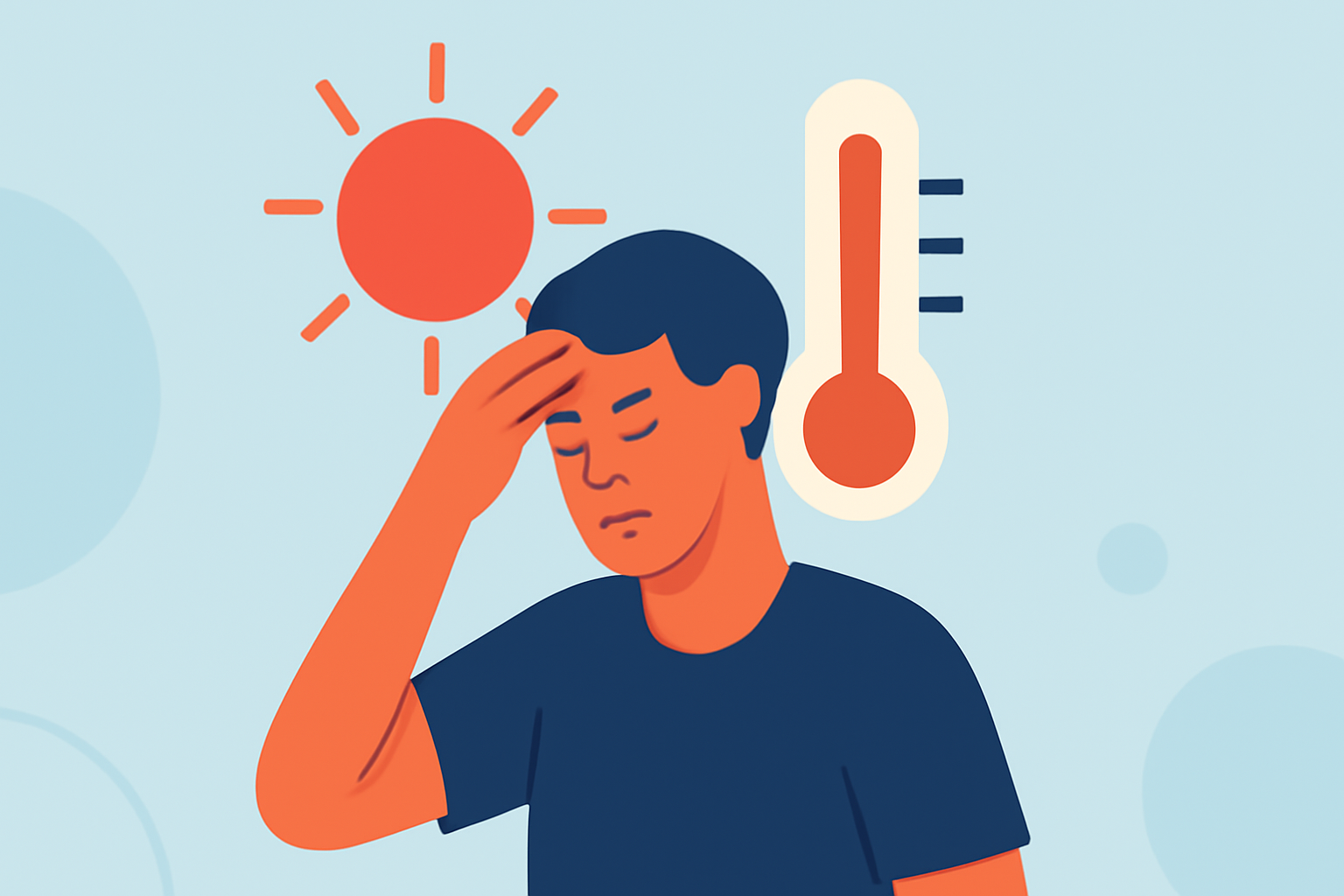
Heat stroke is a severe medical emergency that occurs when the body overheats, typically due to prolonged exposure to or physical exertion in high temperatures. It can lead to serious complications, including organ damage or death, if not addressed promptly. (mayoclinic.org)
Understanding Heat Stroke
Heat stroke is characterized by a body temperature of 104°F (40°C) or higher, and symptoms may include confusion, rapid breathing, and a racing heartbeat. Without immediate treatment, it can result in vital organ damage or death. (mayoclinic.org)
Preventive Measures
To reduce the risk of heat stroke during severe weather, consider the following steps:
-
Stay Hydrated: Drink plenty of fluids, even if you don't feel thirsty. Water and sports drinks are effective for maintaining hydration. (mayoclinichealthsystem.org)
-
Wear Appropriate Clothing: Opt for loose-fitting, lightweight, and light-colored clothing to facilitate heat dissipation. (cdc.gov)
-
Protect Against Sunburn: Use a broad-spectrum sunscreen with an SPF of at least 15, and reapply every two hours or more often if swimming or sweating. (mayoclinic.org)
-
Limit Outdoor Activities: Avoid strenuous activities during the hottest parts of the day, typically between 10 a.m. and 4 p.m. (doh.wa.gov)
-
Seek Cool Environments: Stay in air-conditioned buildings as much as possible. If you don't have air conditioning, consider visiting public places like shopping malls or libraries. (cdc.gov)
-
Monitor Vulnerable Individuals: Check on elderly family members, neighbors, and others who may be more susceptible to heat-related illnesses. (doh.wa.gov)
Recognizing Heat-Related Illnesses
Be aware of the signs of heat-related illnesses:
-
Heat Exhaustion: Heavy sweating, weakness, cold, pale, and clammy skin, fainting, or vomiting. (lung.org)
-
Heat Stroke: High body temperature (103°F or higher), hot, red, dry, or damp skin, rapid pulse, headache, dizziness, nausea, confusion, or loss of consciousness. (lung.org)
First Aid for Heat-Related Illnesses
If you or someone else shows signs of heat-related illness:
-
Heat Exhaustion: Move to a cooler environment, loosen clothing, apply cool, wet cloths, and sip water unless nausea occurs. If vomiting continues, seek immediate medical attention. (weather.gov)
-
Heat Stroke: Call emergency services immediately. While awaiting help, move the person to a cooler environment, reduce body temperature with cool baths or sponging, and use fans or air conditioners. Do not give fluids. (weather.gov)
Utilizing Clime for Heat-Related Alerts
Clime offers real-time weather updates and alerts, helping you stay informed about severe weather conditions that may increase the risk of heat-related illnesses. By monitoring local weather patterns, you can take timely precautions to protect yourself and others.
Conclusion
Heat stroke is a serious condition that can be prevented by taking appropriate precautions during severe weather. By staying hydrated, wearing suitable clothing, protecting against sunburn, limiting outdoor activities during peak heat, seeking cool environments, and monitoring vulnerable individuals, you can significantly reduce the risk of heat-related illnesses. Utilizing tools like Clime can further enhance your preparedness and response to extreme heat events.