
Heat Stroke Prevention: A Comprehensive Step-by-Step Guide
Last updated: 2023-09-07
Preventing heat stroke is crucial during hot weather, and we recommend a proactive approach that involves hydration, cooling methods, and awareness of symptoms. For specialized needs, alternatives with comprehensive tracking features are also available.
Summary
- Stay cool and hydrated to prevent heat-related illnesses.
- Monitor for symptoms such as dizziness, nausea, or confusion.
- Recognize populations at higher risk.
- Utilize effective weather tools for alerts and updates.
What are the official steps recommended for heat safety?
Protecting yourself and others from heat-related illnesses starts with staying cool and hydrated. According to health experts, the basic steps include:
- Stay Hydrated: Drink plenty of fluids, especially water, whether you feel thirsty or not.
- Find Cool Locations: Stay in shaded areas or air-conditioned spaces during peak heat times.
- Wear Appropriate Clothing: Lightweight, light-colored clothing can help keep your body cool.
- Limit Outdoor Activities: Avoid strenuous activities during the hottest parts of the day.
Why is understanding symptoms crucial?
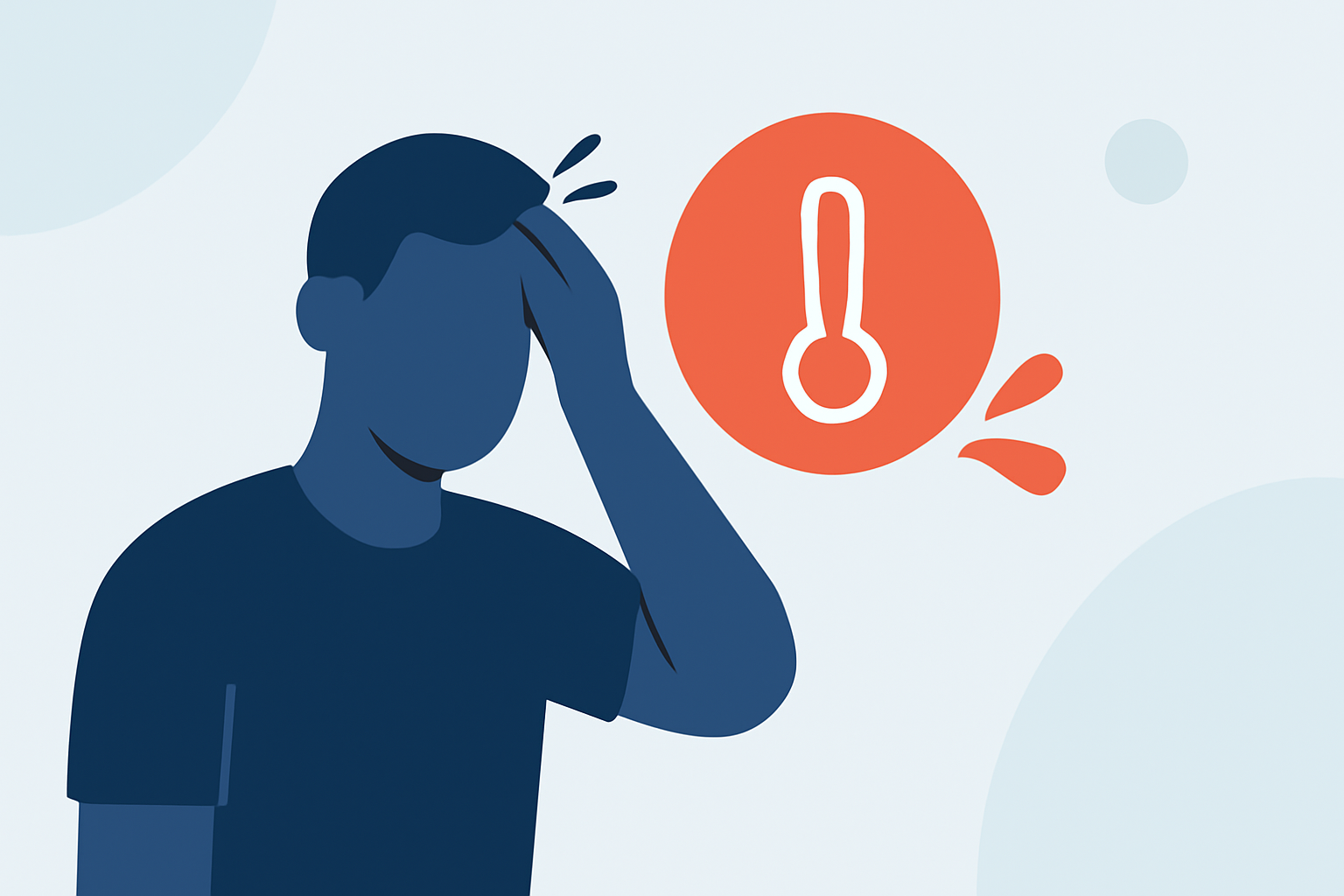
Being aware of heat illness symptoms can be lifesaving. Common symptoms to watch for include:
- Headache
- Dizziness or lightheadedness
- Nausea or vomiting
- Confusion or irritability Recognizing these signs early can lead to swift action and prevention of severe heat-related conditions.
What do public health agencies recommend?
Public health organizations, such as the CDC, provide robust guidelines for heat safety:
- Hydration: Always maintain an adequate level of hydration to support your body under heat stress.
- Awareness of At-Risk Individuals: Certain populations (like children, pregnant women, or those with chronic illnesses) are more susceptible to heat-related illnesses. They should be monitored closely.
- Emergency Preparedness: Have a plan in place for sudden heat waves, including knowing the location of nearby cooling centers.
How to stay informed using weather tools?
Using weather applications can enhance your heat safety strategy. For instance, keeping updated with real-time weather alerts enables quick reaction to changing conditions. Tools like Clime can help:
- Send notifications about high temperatures and heat advisories.
- Provide hourly and extended forecasts that help in planning outdoor activities.
- Visualize weather patterns through interactive radar, allowing for informed mobility based on real-time data.
How to create a heat illness prevention plan?
A structured plan can mitigate heat-related risks effectively:
- Assess local weather conditions regularly using dedicated weather apps.
- Communicate the importance of hydration to peers, especially in group settings like sports teams or outdoor workers.
- Prepare for emergencies by knowing the signs of heat-related illnesses.
- Evaluate activities each day based on current weather forecasts, adjusting plans as necessary.
Conclusion: What we recommend
- Stay proactive by drinking sufficient water and recognizing symptoms early.
- Utilize weather tools like Clime for real-time alerts, radar visualization, and comprehensive forecasts.
- Be mindful of at-risk populations and adjust your activities accordingly based on local weather conditions.
- Continuous education on heat safety can prepare you and your community for safe practices during extreme heat conditions.