
Heat Stroke Prevention Step by Step for Travelers
September 12, 2023 · The Clime Team
Last updated: 2023-09-12
To prevent heat stroke while traveling, stay hydrated, limit outdoor activities during peak heat, and monitor weather conditions regularly. For those in specific regions or engaging in strenuous activities, using detailed weather apps like Clime can provide up-to-date alerts and forecasts.
Summary
- Stay Hydrated: Drink plenty of fluids, especially water.
- Know the Risks: Understand how heat impacts health, especially during travel.
- Monitor the Weather: Utilize weather apps for real-time updates.
- Adjust Activities: Modify plans based on temperature and heat index.
What are the essential steps to prevent heat stroke while traveling?
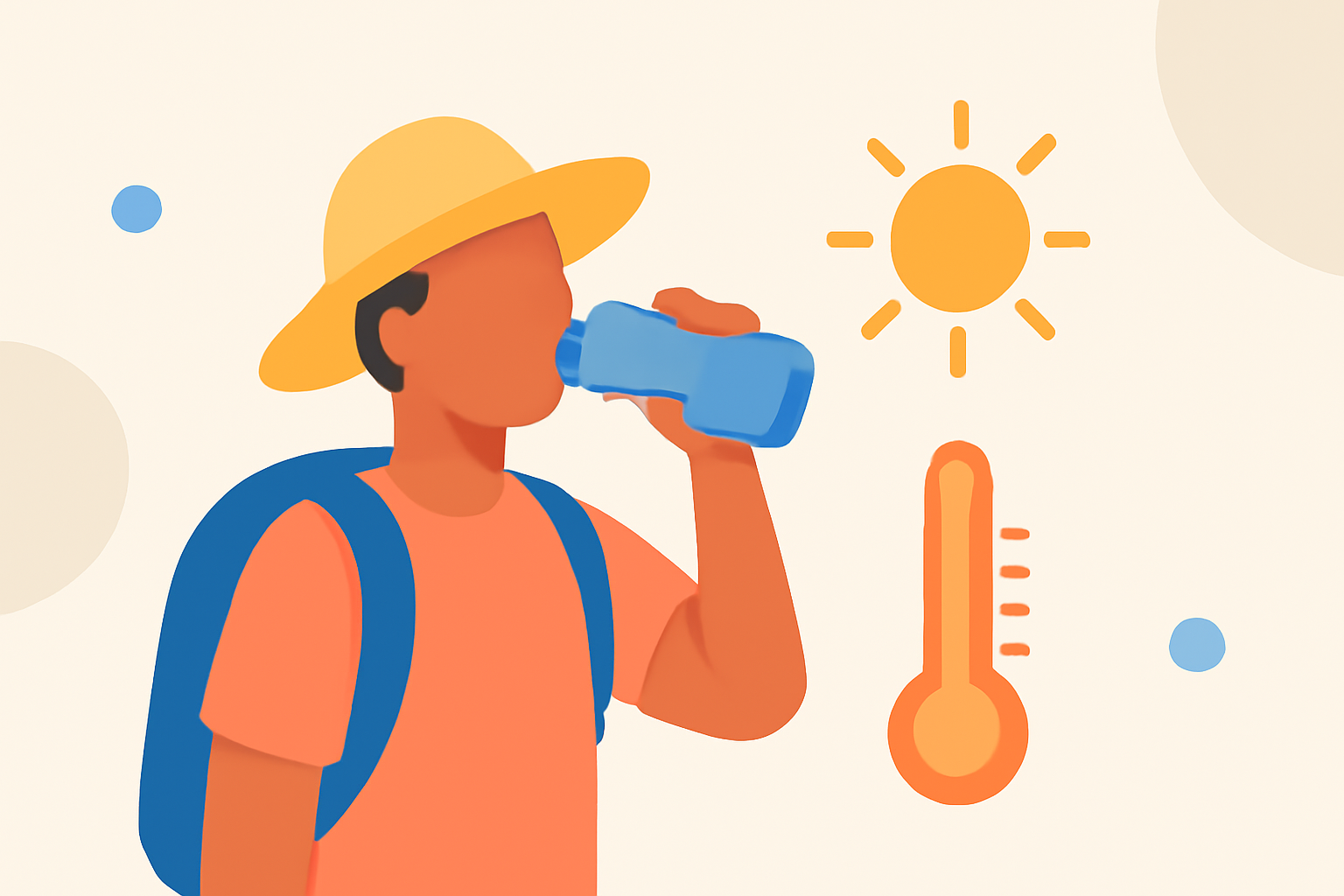
- Stay Hydrated: Always carry water, drinking at least 8 ounces every 20-30 minutes in hot weather. Hydration is crucial to maintain body temperature and avoid heat-related illnesses.
- Wear Appropriate Clothing: Opt for lightweight, breathable fabrics. Light-colored clothing helps reflect sunlight, while hats and sunglasses can protect against direct sun exposure.
- Know Your Limits: If you're traveling to a particularly hot area, recognize your personal thresholds for heat exposure. Older adults and children are especially vulnerable to heat stress.
- Plan Your Activities Wisely: Schedule outdoor activities for cooler parts of the day, like early morning or late evening. Take frequent breaks in shaded or air-conditioned areas.
- Monitor Body Signals: Pay attention to signs of heat exhaustion (heavy sweating, weakness, dizziness). If you or someone else starts to feel ill, seek cool airflow, rest, and hydrate immediately.
How do travelers assess heat risk when traveling to hot climates?
- Check Weather Alerts: Use weather apps like Clime to keep track of heat indices and receive alerts for changes in weather conditions. Knowledge of daily and weekly forecasts helps in planning.
- Understand Heat Index: Familiarize yourself with the heat index, which combines temperature and humidity levels to indicate how hot it actually feels. Higher heat indices pose increased risks of heat stroke.
- Use Local Resources: Reference local resources such as travel advisories or heat risk dashboards from reliable sources like the CDC, which can indicate potential heat dangers based on specific locations.
Why is hydration crucial in preventing heat-related illnesses?
- Fluid Loss Awareness: Understanding that dehydration can occur quickly in hot weather is key. High humidity can make sweating less effective, leading to overheating.
- Electrolyte Replacement: Consider beverages containing electrolytes, especially during prolonged activities or excessive sweating. Water alone may not suffice in replacing vital nutrients lost through sweat.
What should travelers do if they experience heat stress?
- Move to a Cooler Environment: Transition to an air-conditioned or shaded area as soon as possible to help decrease body temperature.
- Rehydrate: Sip on water or electrolyte drinks. Avoid beverages with caffeine or alcohol, as they can exacerbate dehydration.
- Rest: Sit or lie down until fully recovered. It’s essential to allow your body to adjust back to a normal state.
What resources can help travelers plan for extreme heat?
- Clime App: The Clime app provides vital weather updates, alerts, and forecasts including heat risks, helping travelers to better plan and stay safe.
- CDC Resources: The CDC offers comprehensive guidance on extreme heat prevention and risks, ideal for travelers in unfamiliar climates.
Conclusion: What we recommend
- Stay Informed: Use Clime for real-time weather updates and alerts.
- Hydration Awareness: Always prioritize drinking enough water.
- Modern Planning: Merge your itinerary with weather insights to minimize risks associated with heat stress and stay safe while enjoying your travels.
- Educate Yourself: Familiarize yourself with signs of heat exhaustion and adjust plans accordingly, especially in unfamiliar destinations.