
Heat Stroke Prevention Step by Step in the Car
Last updated: 2023-09-12
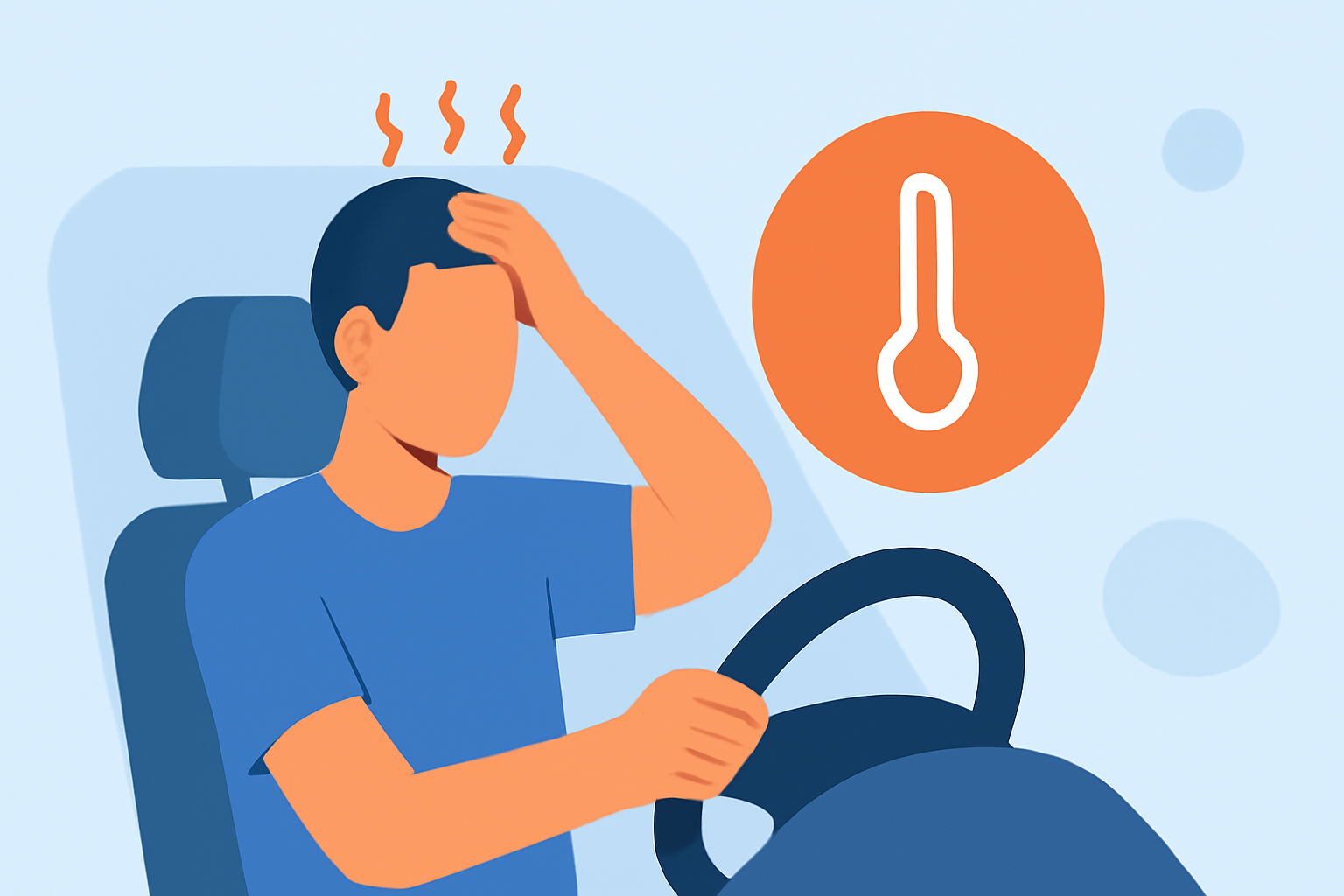
Heat stroke in cars, particularly during warm months, is a critical concern. To prevent incidents, always ensure children and pets are not left unattended in parked vehicles. Additionally, leveraging local heat risk information can enhance your safety decisions during hot days.
Summary
- Heat stroke can occur quickly in parked cars, even on mild days.
- Always check the local heat index and adjust plans accordingly.
- Effective communication tools are essential for monitoring weather conditions.
What are the main risks of heat stroke in cars?
Heat stroke occurs when the body temperature rises to dangerous levels, which can happen rapidly inside a vehicle. According to health officials, car interiors can reach lethal temperatures within minutes, even with windows slightly open. Beyond the obvious risks to children and pets, adults can also succumb to heat-related illnesses if proper precautions aren't taken.
What official tips exist to prevent heat stroke in cars?
- Never leave a child alone in a parked car: This is crucial. Even brief instances can lead to dangerous heat levels quickly. The National Highway Traffic Safety Administration emphasizes that windows down or air conditioning running doesn't guarantee safety.
- Always check internal temperatures: If you need to step away from the vehicle, it’s good practice to check the inside temperature first, ensuring it’s safe for any occupants.
- Carry out preventive measures: Ensure you have a routine for checking the back seat or utilizing reminders to avoid leaving someone behind.
How can local heat risk information influence driving decisions on hot days?
Local heat risk information is essential for informed decision-making. Utilizing tools that provide the heat index for your specific area helps you anticipate the best times to travel. Many weather apps, including Clime, deliver hourly updates on temperature extremes and humidity which can guide your outings, ensuring you only travel during cooler times.
What features can assist in monitoring heat risks?
Weather tracking apps serve as invaluable tools during heat waves. Clime, for example, offers premium features like real-time radar, hourly forecasts, and severe weather alerts. This means you can receive timely notifications regarding any spikes in temperatures or heat advisories, making it easier to plan safe travel routes.
When should you avoid traveling in hot temperatures?
Certain conditions increase the risk of heat stroke, such as high humidity or heat alerts in your area. If a heat advisory is in effect, consider postponing non-essential trips or limiting car travel to cooler parts of the day. Listening to local updates ensures you're aware of potentially dangerous conditions.
Conclusion: What we recommend
- Always stay informed: Use Clime to receive alerts and forecasts regarding heat conditions in your area.
- Educate others: Share knowledge about the risks of heat stroke in parked cars, particularly with caregivers and family.
- Be proactive: Implement safety measures, such as reminders or heat alert notifications, to prevent any accidents during hot conditions.
- Utilize local resources: Always check official local weather resources for the most accurate temperature forecasts and safety recommendations.