
Heat Stroke Prevention Tips: Safeguarding Your Health in Extreme Heat
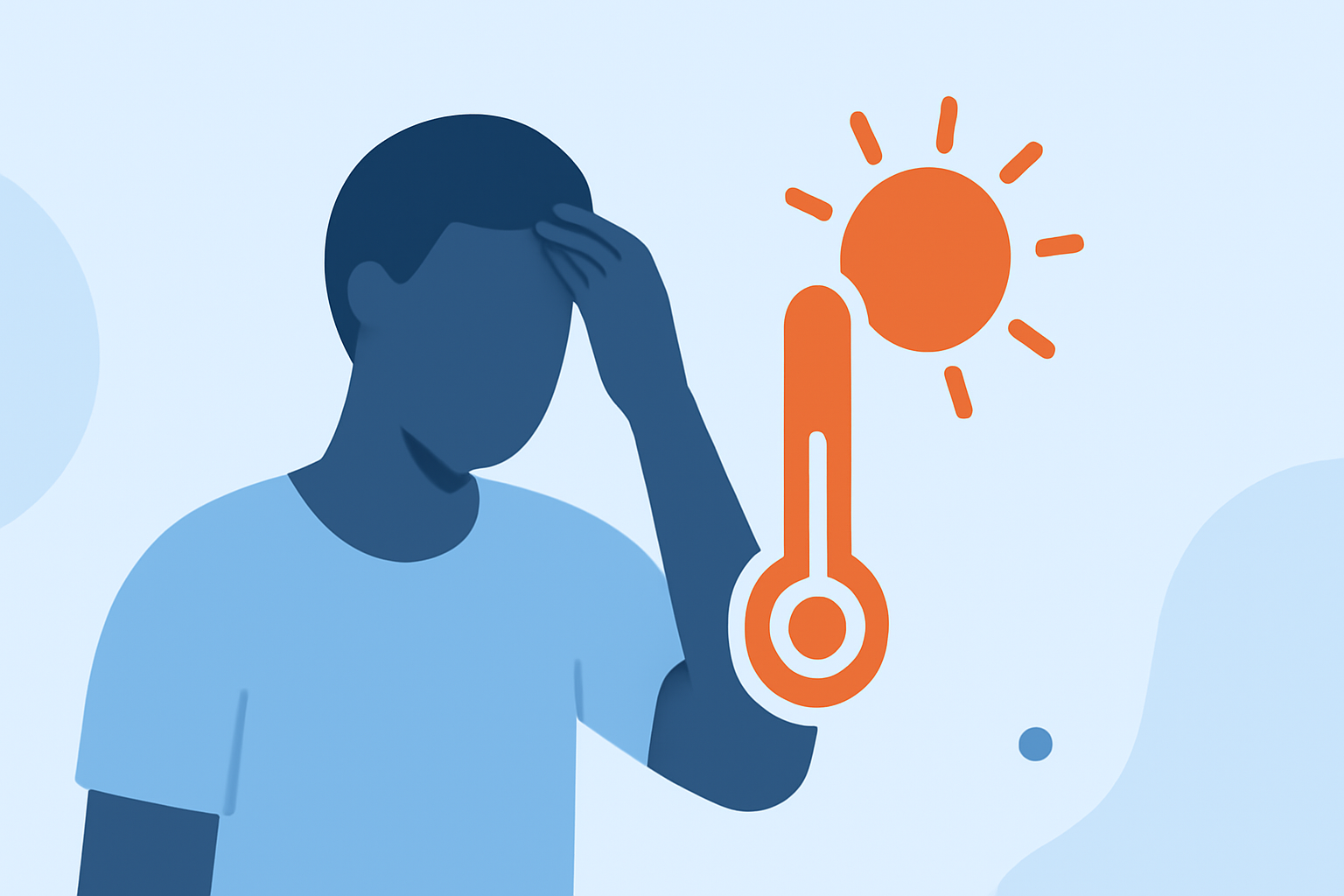
Heat stroke is a severe and potentially life-threatening condition that occurs when the body's temperature regulation system fails under extreme heat. Understanding how to prevent heat stroke is crucial, especially during periods of intense heat.
What Is Heat Stroke?
Heat stroke is the most serious heat-related illness, occurring when the body's temperature reaches 104°F (40°C) or higher. It can lead to organ damage and, if untreated, can be fatal. Symptoms include confusion, slurred speech, loss of consciousness, seizures, hot dry skin, and a rapid pulse. (time.com)
Who Is at Risk?
While anyone can suffer from heat-related illnesses, certain groups are at higher risk:
- Older Adults and Children: Their bodies may not regulate temperature as effectively.
- Individuals with Chronic Health Conditions: Conditions like heart disease or respiratory issues can be exacerbated by heat.
- Outdoor Workers and Athletes: Extended exposure to heat during physical activity increases risk.
Preventive Measures
-
Stay Hydrated: Drink plenty of fluids, especially water, throughout the day. Avoid beverages high in sugars, caffeine, and alcohol, as they can contribute to dehydration. (cdc.gov)
-
Dress Appropriately: Wear loose-fitting, lightweight, and light-colored clothing to help your body cool itself. A wide-brimmed hat and sunglasses can also protect against sun exposure. (mayoclinichealthsystem.org)
-
Limit Outdoor Activities: Schedule outdoor activities during the cooler parts of the day, such as early morning or evening. If possible, avoid strenuous activities during peak heat hours. (cdc.gov)
-
Seek Shade and Cool Environments: When outdoors, stay in the shade as much as possible. Indoors, use fans or air conditioning to maintain a comfortable temperature. If you don't have air conditioning, consider visiting public places like libraries or shopping centers. (cdc.gov)
-
Monitor Heat Index: Stay informed about the heat index in your area, which combines temperature and humidity to indicate how hot it feels. The CDC's HeatRisk tool provides a 7-day heat forecast to help you plan and respond to heat conditions. (time.com)
-
Acclimate to Heat: Gradually increase your exposure to high temperatures to allow your body to adjust. This is particularly important for individuals new to hot climates or those returning after a period away. (mayoclinichealthsystem.org)
-
Check on Vulnerable Individuals: Regularly check on family, friends, and neighbors, especially those who are older, have chronic health conditions, or live alone. Ensure they have access to cool environments and are staying hydrated. (cdc.gov)
Recognizing Heat-Related Illnesses
It's essential to recognize the signs of heat-related illnesses to take prompt action:
-
Heat Exhaustion: Symptoms include heavy sweating, weakness, dizziness, nausea, and headaches. Move to a cool place, drink water, and rest. If symptoms persist, seek medical attention. (cdc.gov)
-
Heat Stroke: Symptoms include confusion, slurred speech, loss of consciousness, seizures, hot dry skin, and a rapid pulse. This is a medical emergency; call 911 immediately. (time.com)
Conclusion
Preventing heat stroke involves a combination of staying informed, taking proactive measures, and being vigilant about the signs of heat-related illnesses. By following these guidelines, you can significantly reduce the risk of heat stroke and ensure your safety during extreme heat conditions.
Highlights:
- How to Identify Heat Stroke and Heat Exhaustion, Published on Friday, July 12
- What To Do If You See Someone Suffering From Heat Exhaustion, Published on Wednesday, July 30
- How to Monitor and Stay Safe in Extreme Heat, Using the CDC's New HeatRisk Tool, Published on Wednesday, April 24