
Heat Stroke Prevention: Essential Tips for Staying Safe in Hot Weather
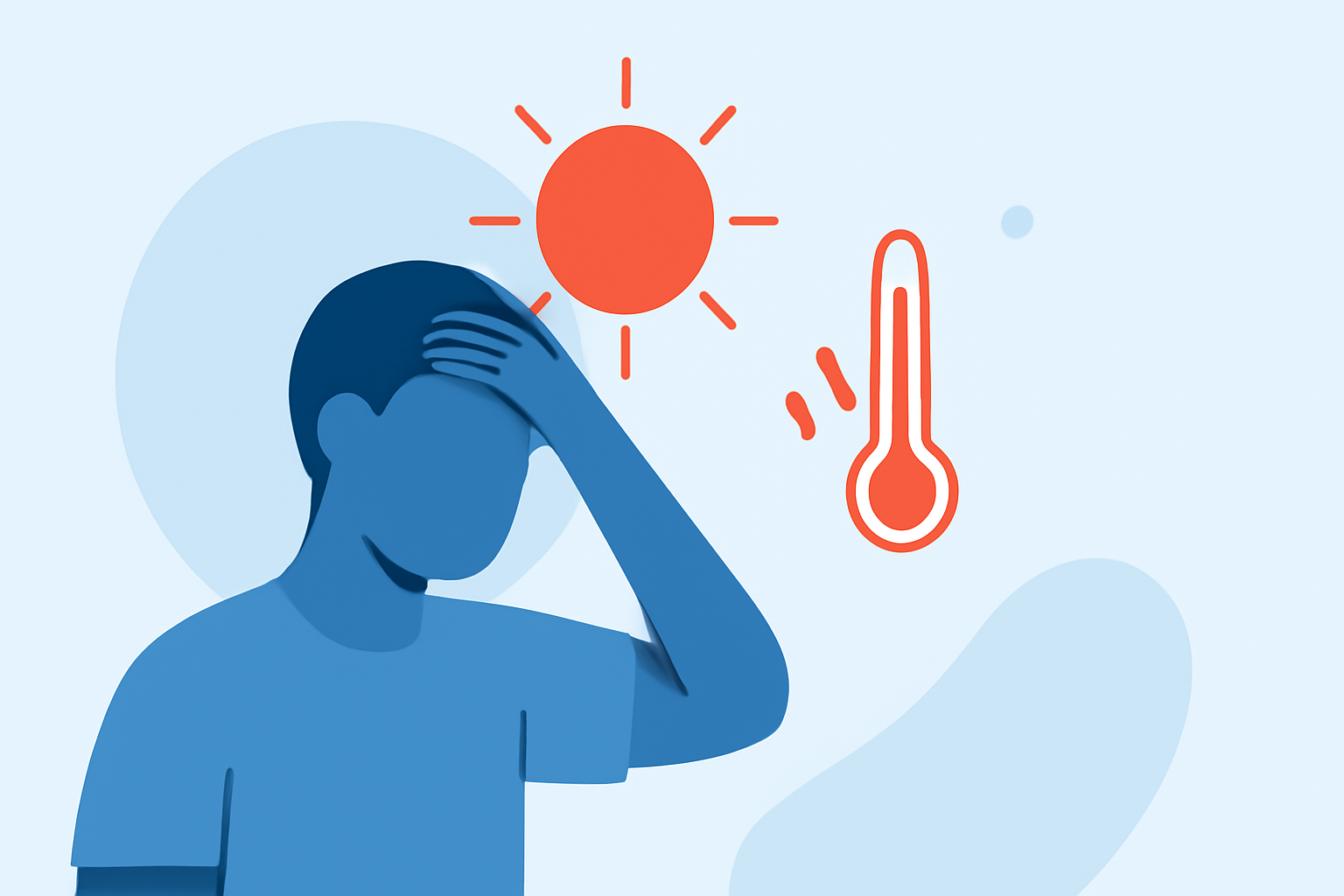
Heat stroke is a severe heat-related illness that occurs when the body's temperature rises to 104°F (40°C) or higher, often due to prolonged exposure to or physical exertion in high temperatures. This condition can lead to serious complications, including damage to vital organs and, if untreated, can be fatal. (mayoclinic.org)
Recognizing the Symptoms of Heat Stroke
Early detection of heat stroke is crucial. Common symptoms include:
- High body temperature (104°F or higher)
- Hot, dry skin or profuse sweating
- Rapid pulse
- Headache
- Dizziness
- Nausea or vomiting
- Confusion or altered mental state
- Loss of consciousness
If you or someone you know exhibits these symptoms, seek emergency medical attention immediately. (mayoclinic.org)
Effective Strategies for Preventing Heat Stroke
- Stay Hydrated
Drinking plenty of fluids helps your body sweat and maintain a normal body temperature. Carry a water bottle and drink throughout the day, even if you don't feel thirsty. Avoid beverages high in sugars, caffeine, and alcohol, as they can lead to dehydration. (cdc.gov)
- Wear Appropriate Clothing
Opt for loose-fitting, lightweight, and light-colored clothing. Clothes made of linen, silk, cotton, or hemp are cooling. A wide-brimmed hat and sunglasses can also protect against sunburn, which affects your body's ability to cool itself. (mayoclinic.org)
- Protect Against Sunburn
Sunburn impairs your body's cooling mechanisms. Use a broad-spectrum sunscreen with an SPF of at least 15, applying it generously and reapplying every two hours or more often if swimming or sweating. (mayoclinic.org)
- Limit Strenuous Activities During Peak Heat
Schedule physical activities for cooler parts of the day, such as early morning or evening. If you must work or exercise in the heat, take frequent breaks in a cool, shaded area. (cdc.gov)
- Acclimate to Hot Environments
Gradually increase your exposure to hot conditions to allow your body to adjust. This process, known as acclimatization, can take several weeks. People not used to hot weather are especially susceptible to heat-related illnesses. (cdc.gov)
- Monitor the Heat Index
Stay informed about the heat index, which combines temperature and humidity to indicate the perceived temperature. The CDC's HeatRisk tool provides a 7-day heat forecast to help you plan and respond to heat conditions. (time.com)
- Be Cautious with Certain Medications
Some medications can affect your body's ability to stay hydrated and dissipate heat. Consult your healthcare provider about any medications you take and their potential impact on heat tolerance. (cdc.gov)
- Never Leave Anyone in a Parked Car
The temperature inside a parked car can rise rapidly, leading to heat-related illnesses or fatalities. Never leave children, pets, or vulnerable individuals in a parked car, even with the windows cracked. (mayoclinic.org)
Recognizing and Responding to Heat-Related Illnesses
It's essential to distinguish between heat exhaustion and heat stroke:
-
Heat Exhaustion: Symptoms include heavy sweating, weakness, dizziness, nausea, and fainting. Move to a cool place, drink water, and rest. If symptoms persist, seek medical attention. (my.clevelandclinic.org)
-
Heat Stroke: A medical emergency with symptoms like confusion, slurred speech, loss of consciousness, seizures, hot dry skin, and a rapid pulse. Call 911 immediately, move the person to a cooler place, and help cool their body until help arrives. (my.clevelandclinic.org)
Conclusion
Preventing heat stroke involves proactive measures such as staying hydrated, wearing appropriate clothing, protecting against sunburn, and limiting strenuous activities during peak heat. By understanding the risks and implementing these strategies, you can enjoy hot weather safely.
Highlights:
- How to Identify Heat Stroke and Heat Exhaustion, Published on Friday, July 12