
Heat Stroke Prevention: Essential Tips for Staying Safe in Hot Weather
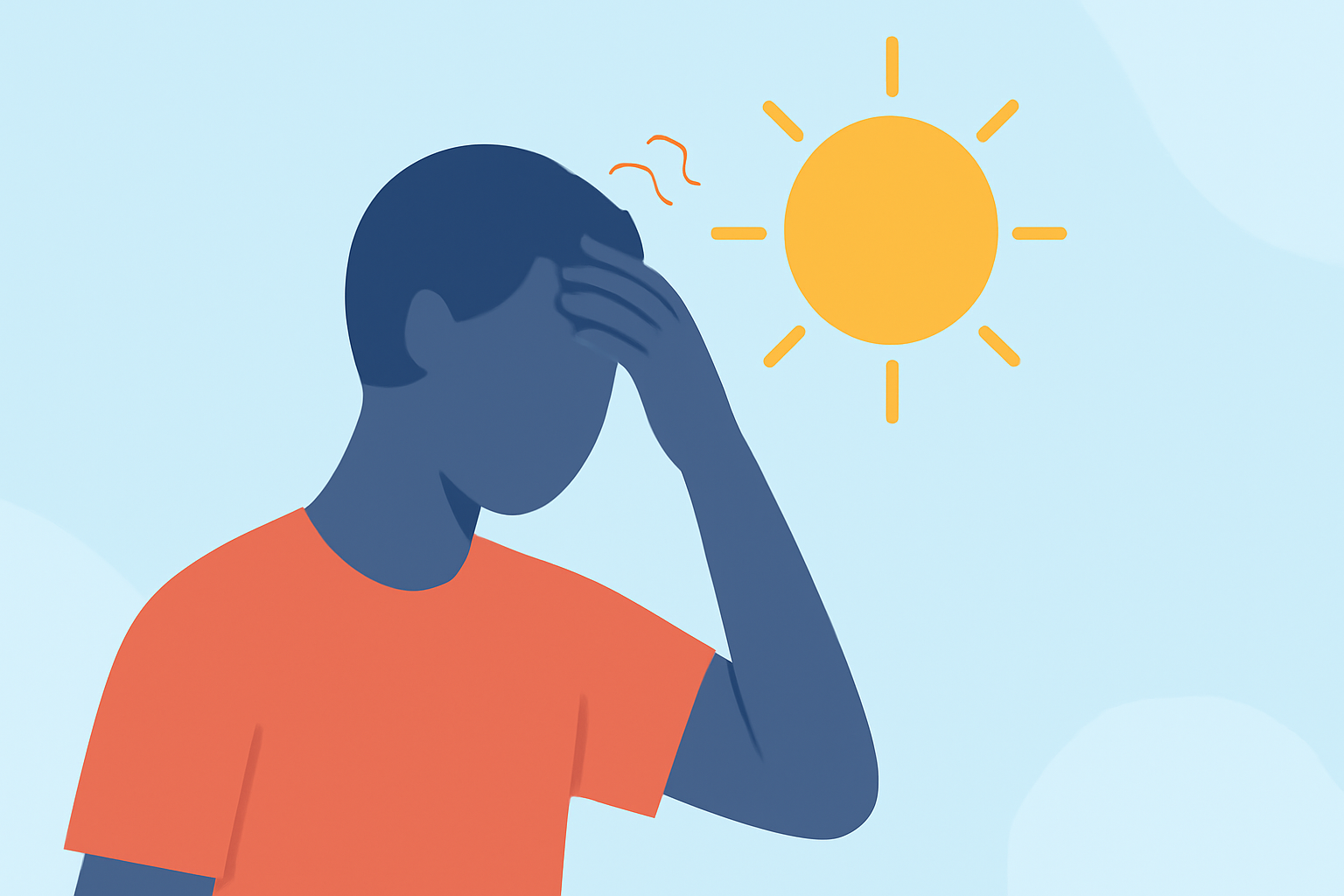
Heat stroke is a serious condition that occurs when the body overheats, often due to prolonged exposure to or physical exertion in high temperatures. It can lead to severe health complications if not addressed promptly. Understanding how to prevent heat stroke is crucial for maintaining health during hot weather.
What Is Heat Stroke?
Heat stroke is the most severe form of heat-related illness, characterized by a body temperature of 104°F (40°C) or higher. Symptoms may include confusion, altered speech, nausea or vomiting, rapid breathing, and a racing heartbeat. Without immediate treatment, heat stroke can damage the brain, heart, kidneys, and muscles, increasing the risk of serious complications or death. (mayoclinichealthsystem.org)
How Can You Prevent Heat Stroke?
-
Stay Hydrated: Drink plenty of fluids, especially water, throughout the day. Avoid alcohol and drinks with high sugar content, as they can lead to dehydration. Aim to drink water even if you don't feel thirsty. (osha.gov)
-
Dress Appropriately: Wear loose-fitting, lightweight, and light-colored clothing. Light colors reflect sunlight, helping to keep you cooler. A wide-brimmed hat and sunglasses can also provide shade and protect against sun exposure. (healthline.com)
-
Limit Sun Exposure: Avoid direct sun exposure during peak hours, typically between 10 a.m. and 4 p.m. Seek shade or stay indoors during these times to reduce the risk of heat-related illnesses. (who.int)
-
Take Regular Breaks: If you must be outdoors, take frequent breaks in a cool or shaded area. This allows your body to recover and helps prevent overheating. (osha.gov)
-
Acclimate to the Heat: Gradually increase your exposure to hot conditions to allow your body to adjust. This is particularly important for individuals not accustomed to high temperatures. (mayoclinichealthsystem.org)
-
Monitor for Symptoms: Be aware of early signs of heat-related illnesses, such as heavy sweating, fatigue, dizziness, nausea, and muscle cramps. If you experience these symptoms, move to a cooler place, hydrate, and rest. (medlineplus.gov)
When Should You Seek Medical Attention?
If you or someone else exhibits symptoms of heat stroke, such as confusion, rapid breathing, or a body temperature of 104°F (40°C) or higher, seek emergency medical care immediately. Heat stroke is a medical emergency that requires prompt treatment to prevent serious health complications. (mayoclinichealthsystem.org)
How Can Clime Help?
Clime offers innovative solutions to help monitor and manage environmental conditions, including temperature and humidity levels. By utilizing Clime's technology, you can stay informed about your surroundings and take proactive measures to prevent heat-related illnesses.
By following these preventive measures, you can significantly reduce the risk of heat stroke and enjoy the summer months safely.
Highlights:
- Summer Heatwaves Pose Major Health Risks: 8 Tips to Stay Safe, Published on Wednesday, May 27
- Protect Yourself From the Dangers of Extreme Heat | Climate and Health | CDC, Published on Monday, June 24