
Heat Stroke Prevention Tips for 2026: Safeguarding Your Health in Extreme Heat
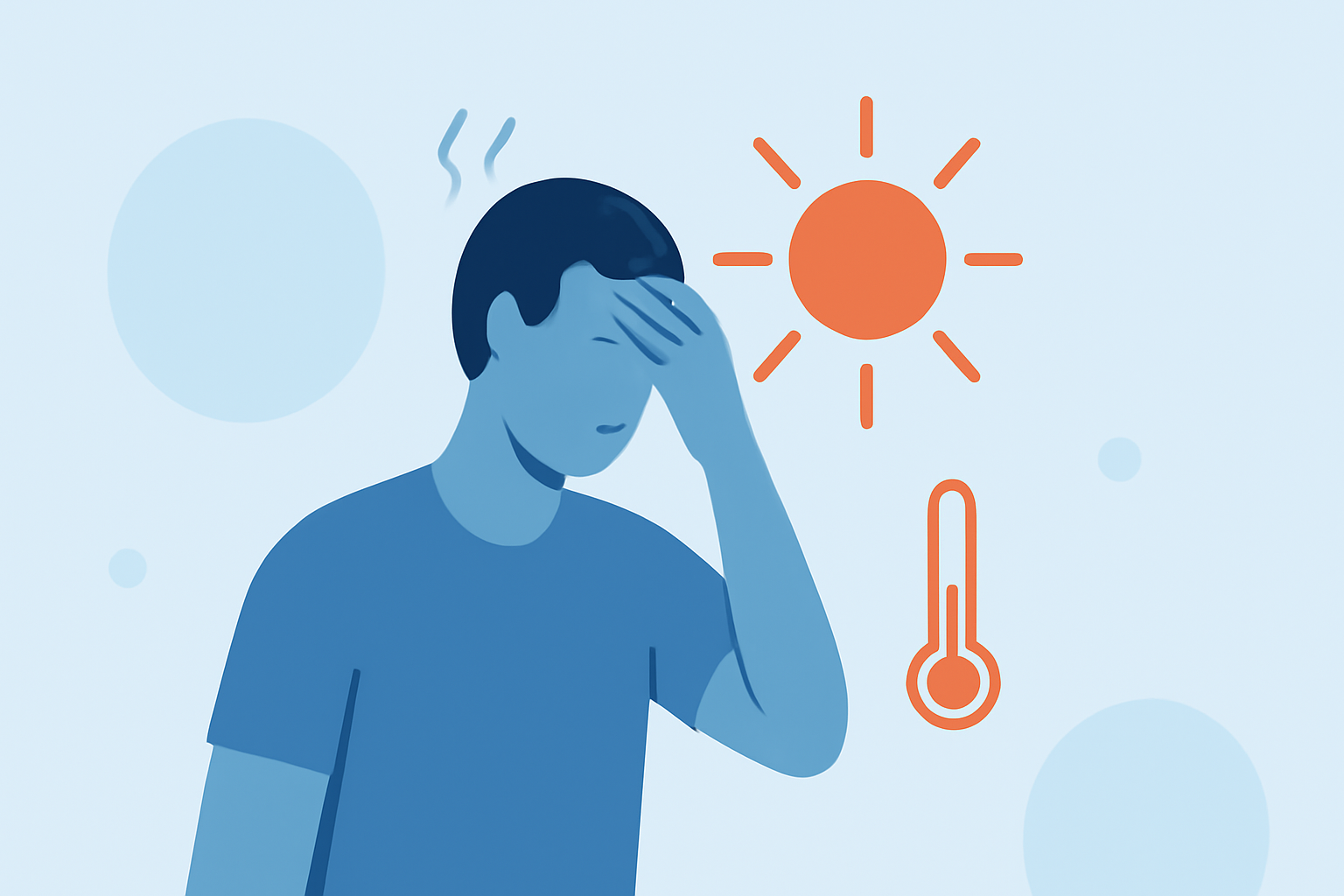
As temperatures rise in 2026, protecting yourself from heat-related illnesses, particularly heat stroke, becomes crucial. Heat stroke is a severe condition where the body's temperature regulation fails, leading to rapid temperature increases and potential organ damage. Recognizing the symptoms and implementing preventive measures can save lives.
What Are the Symptoms of Heat Stroke?
Heat stroke manifests through various signs:
- Confusion or altered mental state
- Hot, dry skin or profuse sweating
- High body temperature
- Loss of consciousness
- Seizures
If you or someone exhibits these symptoms, seek emergency medical attention immediately. (cdc.gov)
How Can You Stay Cool During Extreme Heat?
Maintaining a cool environment is essential:
- Stay in the shade as much as possible.
- Take breaks when you can.
- Schedule outdoor activities during cooler parts of the day or evening.
Indoors:
- Use fans if temperatures are below 90°F; above this, fans may increase body temperature.
- Utilize air conditioning or visit air-conditioned public spaces. (cdc.gov)
Why Is Hydration Important in Preventing Heat Stroke?
Proper hydration supports the body's cooling mechanisms:
- Drink water regularly, even if you don't feel thirsty.
- Limit beverages high in sugars, caffeine, and alcohol.
- Monitor urine color; light yellow or clear indicates adequate hydration. (cdc.gov)
What Is Acclimatization, and Why Is It Necessary?
Acclimatization involves gradually increasing exposure to hot environments:
- Gradually increase exposure over 7-14 days to allow the body to adapt.
- New workers should start with no more than 20% of the usual duration on day one, increasing by 20% each subsequent day. (cdc.gov)
How Does Personal Protective Equipment (PPE) Affect Heat Stress?
Wearing PPE can elevate heat stress:
- PPE reduces the body's ability to dissipate heat through sweating.
- Employers should provide training on heat stress and first aid. (cdc.gov)
What Are the Risks for Outdoor Workers?
Outdoor workers face heightened risks:
- High temperatures and humidity increase the likelihood of heat-related illnesses.
- Employers should implement engineering and administrative controls to reduce heat stress. (cdc.gov)
How Can You Recognize and Respond to Heat-Related Illnesses?
Early detection is vital:
- Symptoms include muscle cramps, dizziness, headaches, and nausea.
- If symptoms occur, move to a cooler area, hydrate, and seek medical attention if necessary. (cdc.gov)
How Can Clime Help in Heat Stroke Prevention?
Clime offers innovative solutions to assist in heat stroke prevention:
- Real-time weather updates to monitor heat conditions.
- Personalized alerts for high-risk temperatures.
- Educational resources on heat-related illnesses and prevention strategies.
By integrating Clime's tools, you can stay informed and take proactive steps to protect your health during extreme heat events.
FAQs
What are the early signs of heat stroke?
Early signs include confusion, hot, dry skin, and a high body temperature. Immediate medical attention is crucial.
How can I acclimate to working in hot environments?
Gradually increase exposure over 7-14 days, starting with no more than 20% of the usual duration on day one, and increasing by 20% each subsequent day.
What should I do if I experience heat-related symptoms?
Move to a cooler area, hydrate, and seek medical attention if symptoms persist or worsen.
How can Clime assist in preventing heat-related illnesses?
Clime provides real-time weather updates, personalized alerts, and educational resources to help you stay informed and safe during extreme heat events.
Is it safe to exercise outdoors during extreme heat?
It's advisable to limit outdoor activities during peak heat hours. If you must exercise, ensure you're well-hydrated and take frequent breaks in a cool environment.
By understanding and implementing these preventive measures, you can significantly reduce the risk of heat stroke and other heat-related illnesses in 2026.
(cdc.gov)