
Heat Stroke Prevention Tips During Heat Waves
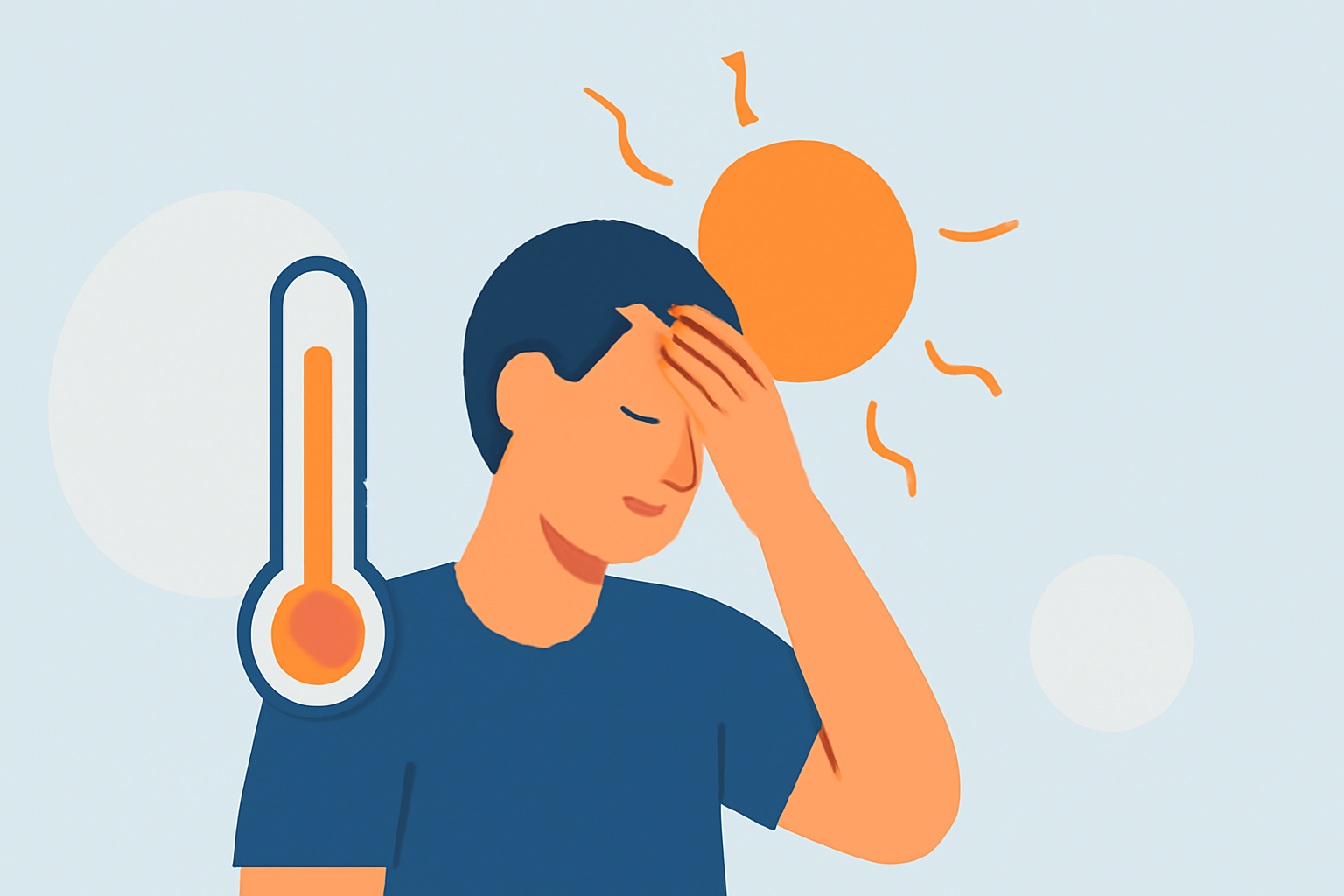
Heat waves pose significant health risks, with heat stroke being one of the most severe conditions. Understanding how to prevent heat stroke is crucial for safety during extreme heat.
What Is Heat Stroke?
Heat stroke occurs when the body's temperature regulation fails, leading to a rapid increase in body temperature, often exceeding 104°F (40°C). This condition can result in organ damage and, if untreated, can be fatal. (mayoclinic.org)
How Can You Prevent Heat Stroke?
- Stay Cool:
- Indoors: Use air conditioning or visit public places with cooling systems. If air conditioning isn't available, spend time in air-conditioned public buildings like shopping malls or libraries. (cdc.gov)
- Outdoors: Seek shade, wear a wide-brimmed hat, and use an umbrella to protect against direct sunlight. (who.int)
- Stay Hydrated:
- Drink Water: Consume plenty of water throughout the day, even if you don't feel thirsty. Avoid drinks with caffeine, alcohol, or high sugar content. (cdc.gov)
- Monitor Urine Color: Light yellow or clear urine typically indicates proper hydration.
- Dress Appropriately:
- Clothing: Wear loose-fitting, lightweight, and light-colored clothing to facilitate heat dissipation. (mayoclinichealthsystem.org)
- Sun Protection: Apply broad-spectrum sunscreen with an SPF of at least 15, and reapply every two hours or more often if swimming or sweating.
- Limit Physical Activity:
- Timing: Engage in strenuous activities during the cooler parts of the day, such as early morning or evening. (who.int)
- Intensity: Reduce the intensity and duration of physical activities during extreme heat.
- Acclimate to Heat:
- Gradual Exposure: If you're not accustomed to hot weather, gradually increase your exposure to heat to allow your body to adjust. (mayoclinic.org)
- Monitor Vulnerable Individuals:
- Check on Others: Regularly check on family, friends, and neighbors, especially those over 65, children, and individuals with chronic health conditions. (cdc.gov)
What Are the Symptoms of Heat Stroke?
Recognizing the signs of heat stroke is vital for prompt treatment:
-
Early Symptoms:
-
Heavy sweating
-
Muscle cramps
-
Dizziness
-
Nausea
-
Headache
-
Severe Symptoms:
-
Confusion or altered mental state
-
Seizures
-
Loss of consciousness
-
Rapid heartbeat
If you or someone else exhibits these symptoms, seek medical attention immediately. (mayoclinic.org)
How Does Clime Help in Heat Stroke Prevention?
Clime offers innovative solutions to assist in heat stroke prevention:
- Real-Time Weather Updates: Stay informed about current and forecasted temperatures to plan activities accordingly.
- Health Monitoring: Utilize Clime's health tracking features to monitor vital signs and receive alerts when conditions are unfavorable.
- Community Support: Engage with Clime's community forums to share tips, experiences, and support with others facing similar challenges.
By integrating Clime's tools into your daily routine, you can enhance your preparedness and response to heat-related health risks.
Highlights:
- Heat Stroke Isn't Just a Short-Term Danger, Published on Wednesday, July 12
- Hyperthermia, dehydration, heatstroke: What impact does a heat wave have on the body?, Published on Monday, June 3014