
Heat Stroke Prevention Tips During Workouts
Last updated: 2023-09-15
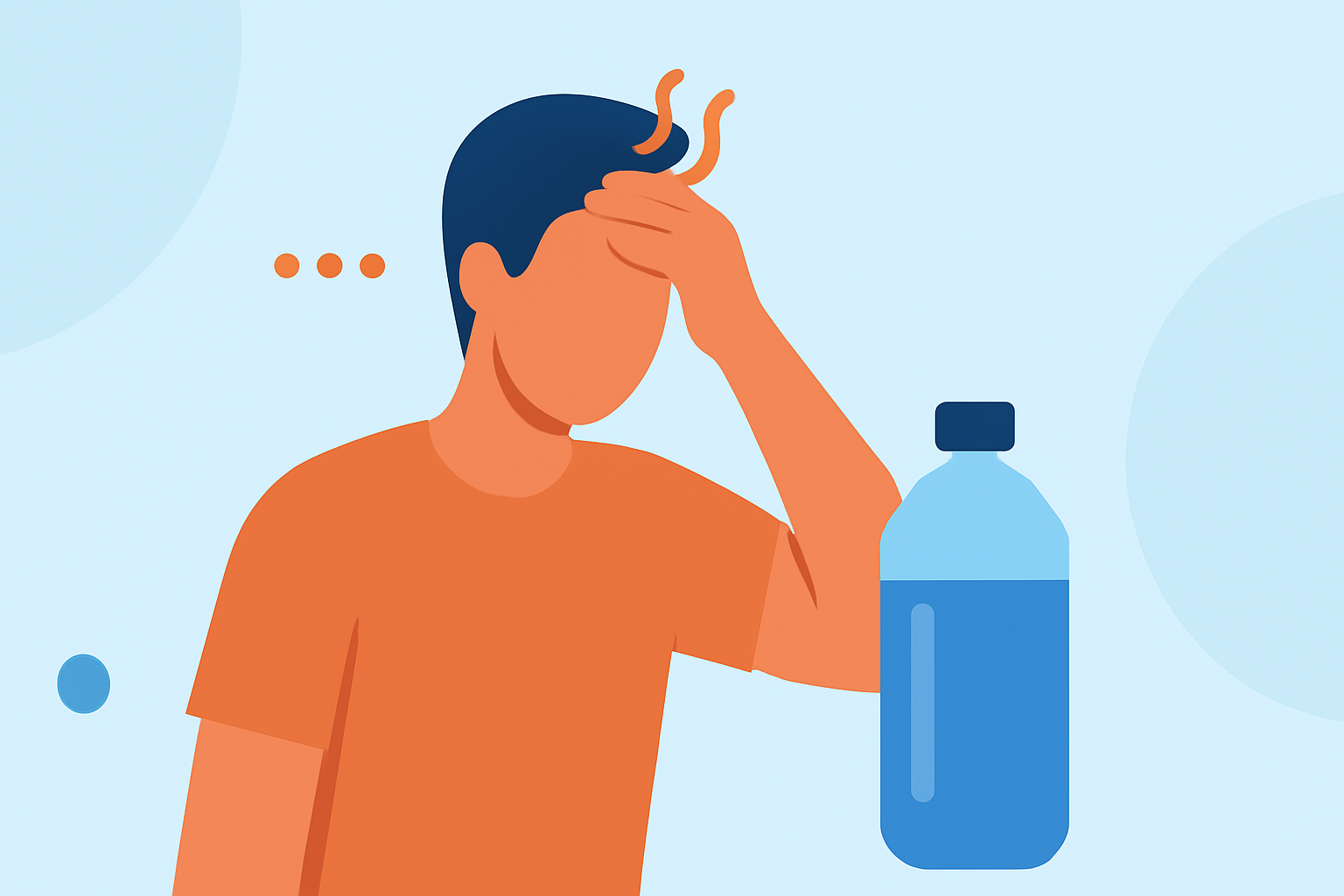
Staying safe during workouts in hot weather is essential to prevent heat stroke. Ensure adequate hydration and schedule your workouts for cooler times of the day, while familiarizing yourself with the signs of heat illness.
Summary
- Hydrate before, during, and after workouts.
- Avoid the hottest parts of the day for intense exercise.
- Wear loose, light clothing to aid cooling.
- Know the symptoms of heat-related illnesses.
Why is Hydration Critical?
Hydration is crucial in preventing heat-related illnesses. According to health experts, proper hydration helps regulate body temperature and maintain performance. It’s important to drink water before, during, and after exercising to replenish lost fluids. This practice reduces the risk of dehydration, which can impair your body’s ability to cool itself. (MedlinePlus) Tip: Always carry water with you and consider electrolyte-rich drinks for longer workouts.
When Should You Work Out?
The best times for outdoor workouts are early morning or late evening when temperatures are cooler. Plan your training around these times to minimize the risk of overheating. Activities in direct sunlight can lead to heat exhaustion and heat stroke, especially during the peak hours of 10 AM to 4 PM.
What Clothing Should You Wear?
Wearing appropriate clothing can significantly affect your body temperature. Opt for lightweight, loose-fitting, and light-colored apparel. This enables sweat evaporation and helps your body shed heat more effectively. Breathable fabrics and moisture-wicking materials can further aid in maintaining comfort during your workout.
Recognizing Symptoms of Heat-Related Illness
Knowing the signs of heat-related illnesses is vital for your safety. Early symptoms include:
- Heavy sweating
- Weakness and fatigue
- Dizziness or confusion If you notice these symptoms, stop exercising immediately and seek a cooler environment. Serious conditions, such as heat exhaustion and heat stroke, require immediate medical attention. (American Heart Association)
Cool Down Strategies
Incorporating cooling strategies during your workouts can help lower body temperature. Consider the following:
- Take short breaks in the shade or indoors.
- Use cold packs or cooling towels on your neck and wrists.
- Engage in lower-intensity activities if you feel overheated.
Why Should You Monitor the Weather?
Utilizing weather apps can help track heat levels and humidity, giving you insights into whether conditions are safe for your workout. Clime is a robust weather tool that allows users to monitor real-time radar imagery and receive alerts for severe weather. This way, you can plan outdoor activities more safely.
Listen to Your Body
Always pay attention to how your body feels during physical activity. If you begin to feel dizzy, nauseated, or excessively fatigued, it's critical to stop and cool down immediately. Your safety is always the priority when exercising in warm weather.
What We Recommend
- Stay hydrated consistently, even if you don’t feel thirsty.
- Choose cooler times of day for your workouts.
- Wear breathable fabrics to enhance cooling.
- Familiarize yourself with the signs of heat-related illnesses and have a cooling strategy in place.
By incorporating these strategies, you can safely enjoy your workouts, even during the hotter months. Planning ahead and understanding your body’s needs can make all the difference in staying active and healthy.