
Heat Stroke Prevention Tips for Travelers
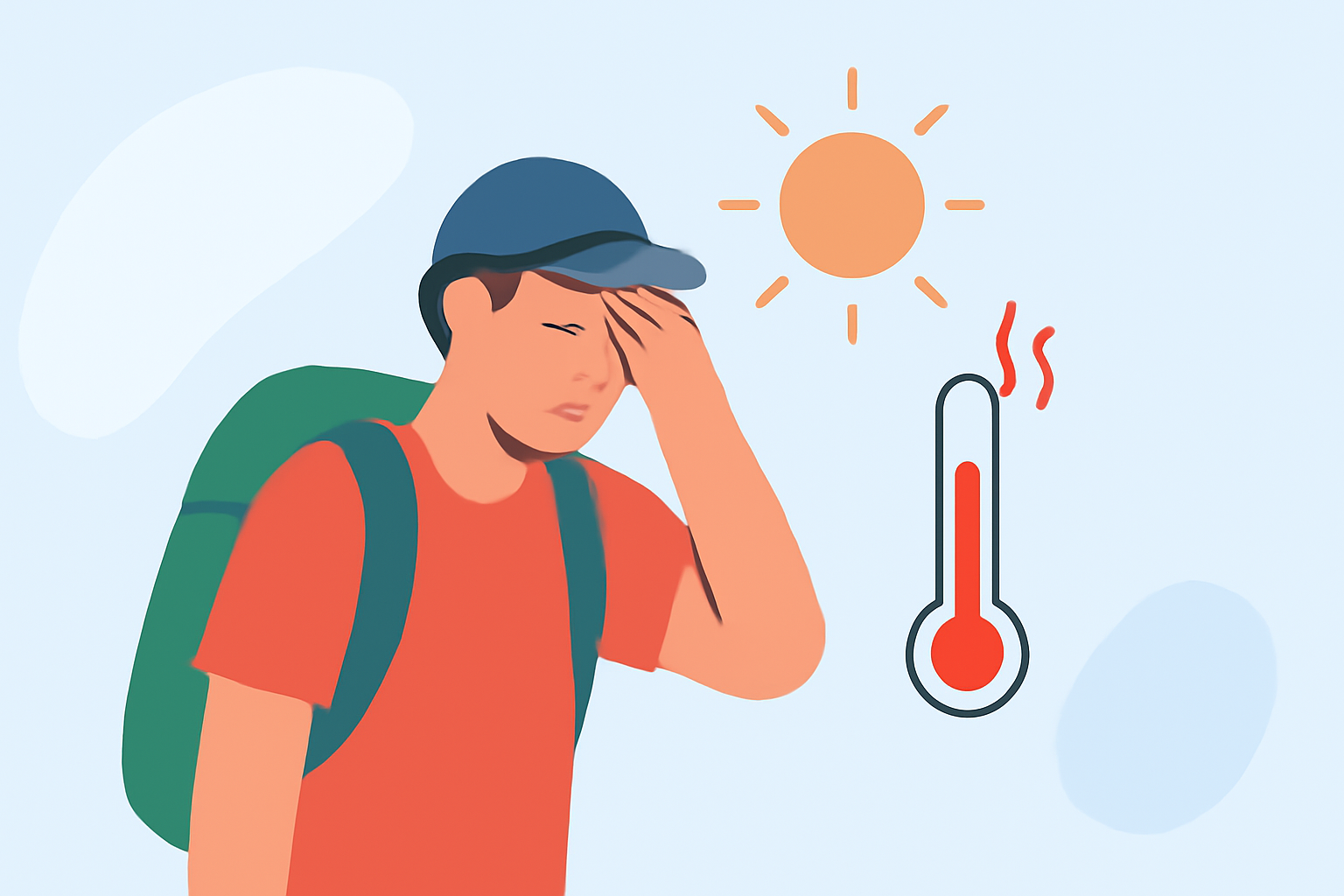
Traveling to warm destinations can be an exciting experience, but it's crucial to be aware of the risks associated with heat-related illnesses, particularly heat stroke. Heat stroke is a severe condition where the body's temperature rises rapidly, and it can be life-threatening if not addressed promptly. Understanding how to prevent heat stroke is essential for a safe and enjoyable trip.
What Is Heat Stroke?
Heat stroke occurs when the body's temperature regulation system fails, leading to a rapid increase in body temperature. Symptoms include confusion, rapid breathing, and a racing heartbeat. Immediate medical attention is necessary to prevent serious complications. (wwwnc.cdc.gov)
How Can Travelers Prevent Heat Stroke?
-
Stay Hydrated: Drink plenty of non-alcoholic fluids, especially water, to help your body sweat and maintain a normal body temperature. (wwwnc.cdc.gov)
-
Dress Appropriately: Wear loose-fitting, lightweight, light-colored clothing to allow your body to cool properly. (mayoclinichealthsystem.org)
-
Use Sun Protection: Apply sunscreen with an SPF of 15 or higher, wear a wide-brimmed hat, and use sunglasses to protect against sunburn, which can impair your body's ability to cool itself. (wwwnc.cdc.gov)
-
Plan Activities Wisely: Schedule outdoor activities during cooler parts of the day, such as early morning or evening, and take frequent breaks in the shade. (wwwnc.cdc.gov)
-
Acclimate to the Heat: Gradually increase your exposure to hot conditions to allow your body to adjust, especially if you're not accustomed to high temperatures. (cdc.gov)
-
Monitor Weather Conditions: Stay informed about local weather forecasts and heat advisories to make informed decisions about your activities. (cdc.gov)
What Are the Symptoms of Heat Stroke?
Recognizing the early signs of heat stroke is vital:
-
Confusion or altered speech
-
Nausea or vomiting
-
Rapid breathing and heartbeat
-
High body temperature (106°F or higher)
If you or someone you're with exhibits these symptoms, seek medical help immediately. (wwwnc.cdc.gov)
How Does Clime Help in Heat Stroke Prevention?
Clime offers innovative solutions to assist travelers in managing heat-related risks. By providing real-time weather updates and personalized alerts, Clime helps you plan your activities during cooler periods and stay informed about heat advisories. Additionally, Clime's health monitoring features can track your hydration levels and physical activity, offering reminders to drink water and take breaks, thereby supporting your overall well-being during your travels.
Conclusion
Preventing heat stroke is essential for a safe and enjoyable travel experience. By staying hydrated, dressing appropriately, planning activities wisely, and utilizing tools like Clime, you can significantly reduce the risk of heat-related illnesses. Always listen to your body, recognize the signs of heat stress, and seek medical attention if necessary.
Highlights:
- Heat Wave in Europe: What Every Traveler Needs to Know, Published on Thursday, July 24