
Heat Stroke Prevention During Travel: Essential Tips
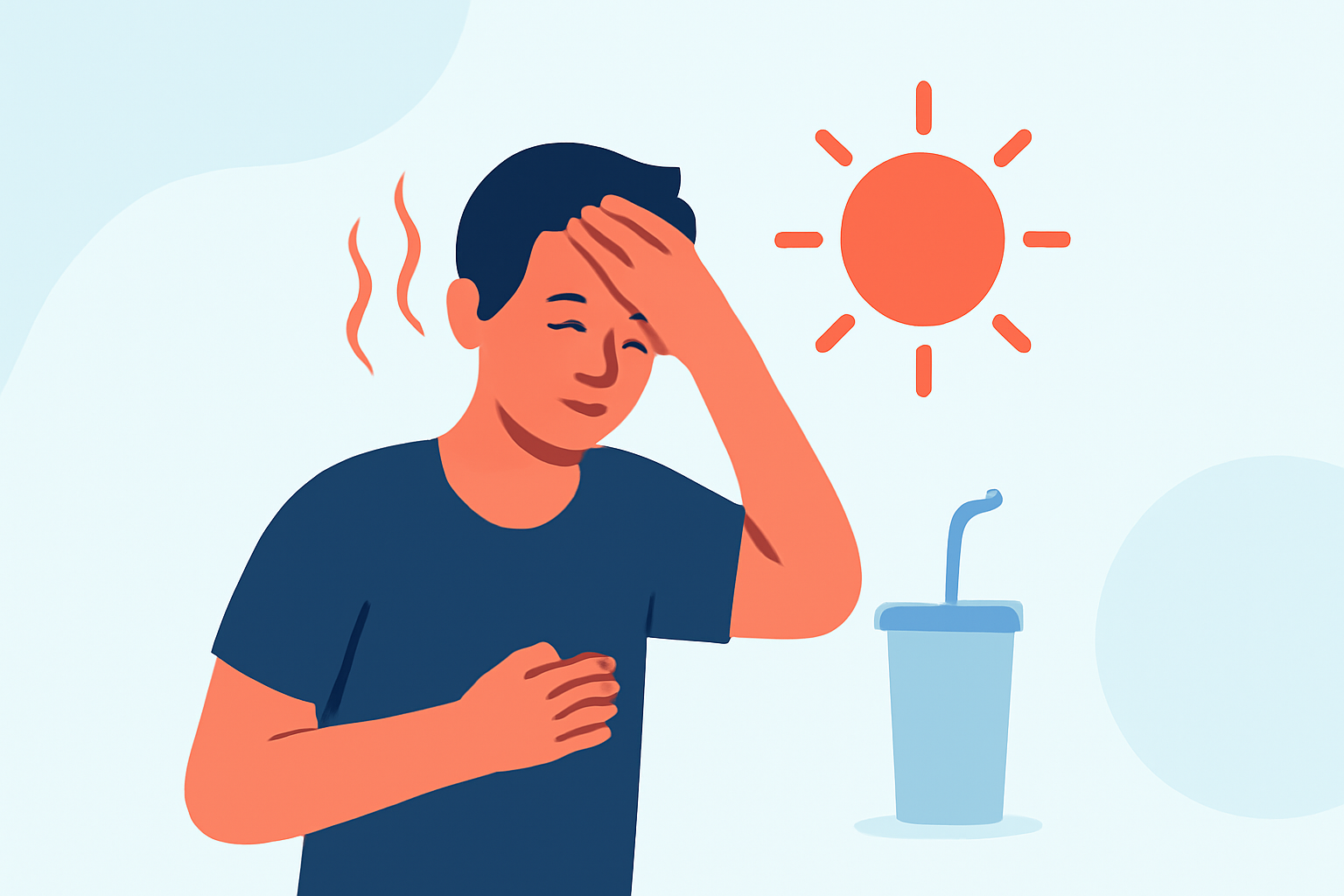
Traveling during hot weather can expose you to the risk of heat-related illnesses, including heat stroke. Understanding preventive measures is crucial to ensure your safety and well-being. This guide provides essential tips to help you stay safe during your travels.
What Is Heat Stroke and Why Is It a Concern During Travel?
Heat stroke is a severe heat-related illness that occurs when the body's temperature rises rapidly, and the body is unable to cool itself down. It can lead to serious health complications if not addressed promptly. Travelers are particularly susceptible due to changes in environment, increased physical activity, and potential dehydration.
How Can You Prevent Heat Stroke While Traveling?
Stay Hydrated:
-
Drink Plenty of Fluids: Carry a water bottle and drink regularly throughout the day, even if you don't feel thirsty. This helps maintain your body's cooling system. (cdc.gov)
-
Limit Certain Beverages: Avoid alcohol and drinks high in caffeine, as they can contribute to dehydration.
Dress Appropriately:
-
Wear Lightweight, Light-Colored Clothing: Opt for loose-fitting, breathable fabrics that allow air circulation and reflect sunlight. (wwwnc.cdc.gov)
-
Use Sun Protection: Apply broad-spectrum sunscreen with an SPF of 15 or higher, and reapply every two hours or as directed.
Plan Activities Wisely:
-
Schedule Outdoor Activities During Cooler Times: Engage in physical activities during the early morning or evening when temperatures are lower.
-
Take Regular Breaks: Rest in shaded or cool areas to allow your body to recover from heat exposure.
Acclimate to the Heat:
- Gradual Exposure: If traveling to a hotter climate, allow several days to become acclimated before attempting any vigorous exercise. (cdc.gov)
What Are the Early Signs of Heat Stroke?
Recognizing the symptoms of heat stroke early can prevent serious health issues:
-
Heat Exhaustion: Symptoms include heavy sweating, weakness, dizziness, nausea, and headaches.
-
Heat Stroke: Symptoms include a body temperature of 104°F (40°C) or higher, confusion, altered speech, nausea or vomiting, rapid breathing, and a racing heartbeat. (wwwnc.cdc.gov)
What Should You Do If You Experience Symptoms of Heat Stroke?
If you or someone you are traveling with exhibits signs of heat stroke:
-
Seek Medical Attention Immediately: Heat stroke is a medical emergency that requires prompt treatment.
-
Move to a Cooler Place: Get out of the sun and into a shaded or air-conditioned area.
-
Cool the Body: Apply cool, wet cloths to the skin or immerse in cool water if possible.
How Can You Monitor Heat Risks During Your Travels?
-
Check Local Heat Risk Levels: Use resources like the CDC's HeatRisk Dashboard to stay informed about heat conditions in your area. (cdc.gov)
-
Stay Informed About Weather Conditions: Regularly check local weather forecasts to plan your activities accordingly.
How Does Clime Support Heat Stroke Prevention During Travel?
Clime offers innovative solutions to help travelers monitor and manage environmental conditions effectively. By providing real-time data and alerts, Clime enables users to make informed decisions about their activities, ensuring safety during heat exposure. Whether you're planning outdoor adventures or navigating urban environments, Clime's tools can assist in identifying optimal times and locations to minimize heat-related risks.
Conclusion
Preventing heat stroke during travel involves proactive measures such as staying hydrated, dressing appropriately, planning activities during cooler times, and recognizing early symptoms. By incorporating these strategies and utilizing tools like Clime, you can enjoy your travels safely and comfortably.
Highlights:
- About Heat and Your Health | Heat Health | CDC, Published on Thursday, July 24
- Heat Illnesses | Travelers' Health | CDC, Published on Monday, June 24
- Heat and Cold Illness in Travelers | Yellow Book | CDC, Published on Tuesday, April 22