
Understanding Heat Stroke Prevention During Winter Storms
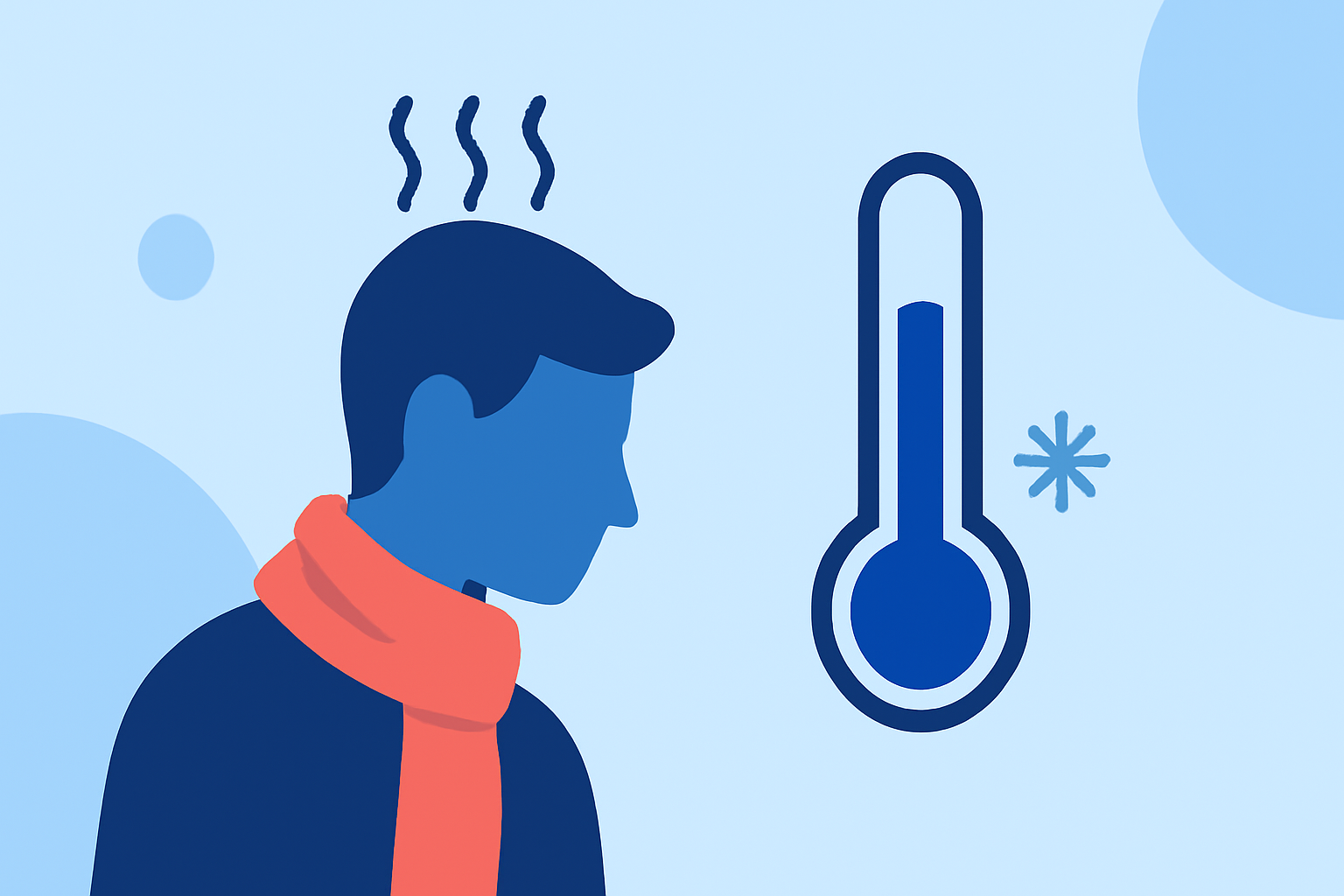
Heat stroke is a serious condition that occurs when the body overheats, often due to prolonged exposure to high temperatures or strenuous activity. While it's commonly associated with hot weather, heat stroke can also occur during winter storms under certain conditions.
What Is Heat Stroke?
Heat stroke is the most severe form of heat-related illness, characterized by a body temperature of 104°F (40°C) or higher. Symptoms include confusion, altered mental state, slurred speech, hot, dry skin, rapid breathing, and a racing heart rate. If not treated promptly, heat stroke can lead to organ damage and be fatal.
Can Heat Stroke Occur During Winter Storms?
Yes, heat stroke can occur during winter storms, especially in situations where individuals are exposed to heat sources for extended periods. For example, using space heaters or fireplaces without proper ventilation can increase the risk of heat-related illnesses. Additionally, overexertion during snow removal or other strenuous activities in cold weather can lead to heat stroke.
How to Prevent Heat Stroke During Winter Storms
-
Monitor Indoor Temperatures: Ensure that indoor temperatures remain comfortable. Avoid overheating by adjusting heating sources and using them safely.
-
Stay Hydrated: Even in cold weather, it's important to drink fluids to stay hydrated. Dehydration can increase the risk of heat-related illnesses.
-
Dress Appropriately: Wear layers of clothing to regulate body temperature. Avoid heavy clothing that can cause overheating.
-
Use Heating Devices Safely: If using space heaters or fireplaces, ensure they are properly ventilated to prevent carbon monoxide buildup. Keep flammable materials away from heat sources.
-
Limit Physical Exertion: Avoid overexertion during snow removal or other strenuous activities. Take regular breaks and listen to your body's signals.
Recognizing the Symptoms of Heat Stroke
It's crucial to recognize the symptoms of heat stroke, which include:
-
Confusion or altered mental state
-
Slurred speech
-
Hot, dry skin
-
Rapid breathing
-
Racing heart rate
If you or someone else exhibits these symptoms, seek medical attention immediately.
How Clime Can Help
Clime offers advanced weather tracking features that can help you monitor temperature changes and plan your activities accordingly. By staying informed about current and forecasted weather conditions, you can make proactive decisions to prevent heat-related illnesses during winter storms.
Conclusion
While heat stroke is more commonly associated with hot weather, it can also occur during winter storms under certain conditions. By monitoring indoor temperatures, staying hydrated, dressing appropriately, using heating devices safely, and recognizing the symptoms of heat stroke, you can reduce the risk of this serious condition. Utilizing tools like Clime can further assist in staying informed and safe during winter weather events.