
Essential Guide to Heat Wave Alerts During Travel in the U.S.
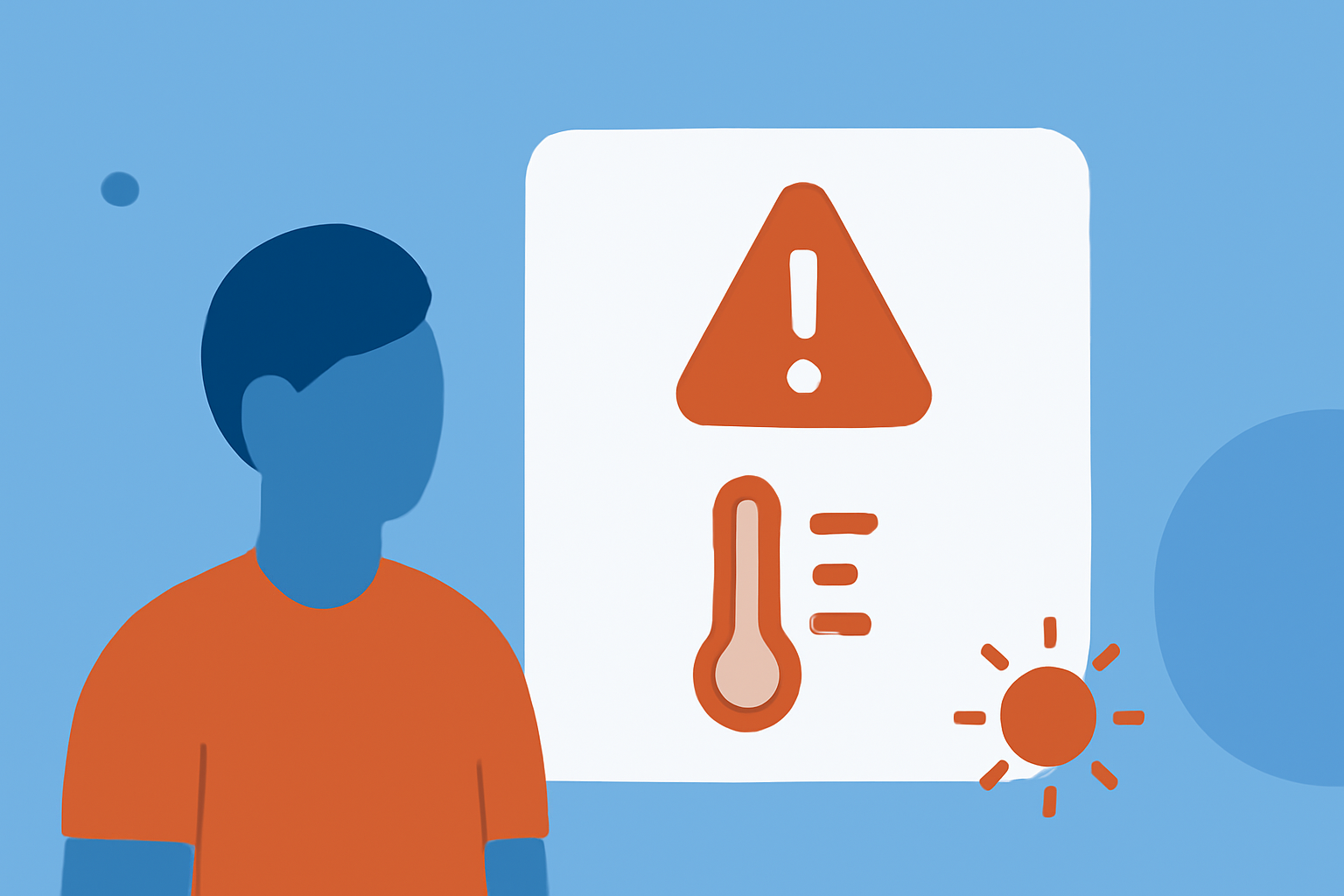
Traveling during a heat wave in the United States requires careful planning to ensure safety and comfort. Heat waves, characterized by prolonged periods of excessively hot weather, can pose significant health risks. This guide provides essential information and tips to help you navigate heat waves during your travels.
What Is a Heat Wave?
A heat wave is a prolonged period of excessively hot weather, which can vary depending on the region. In many parts of the U.S., a heat wave is defined as at least three consecutive days with temperatures reaching 90°F (32°C) or higher. (weather.com)
Why Are Heat Waves Dangerous?
Heat waves can lead to serious health issues, including heat exhaustion and heat stroke. Vulnerable populations such as the elderly, young children, and individuals with chronic health conditions are particularly at risk. (wwwnc.cdc.gov)
How Can I Stay Safe During a Heat Wave?
To protect yourself during a heat wave:
-
Stay Hydrated: Drink plenty of water throughout the day, even if you don't feel thirsty. Avoid alcohol and caffeine, as they can lead to dehydration. (cdc.gov)
-
Dress Appropriately: Wear loose, lightweight, and light-colored clothing to reflect heat and sunlight. A wide-brimmed hat can also provide shade and protect your face and scalp. (weather.gov)
-
Limit Outdoor Activities: Schedule outdoor activities during cooler parts of the day, such as early morning or evening. Avoid strenuous activities during peak heat hours, typically between 10 a.m. and 4 p.m. (news.va.gov)
-
Seek Cool Environments: Stay in air-conditioned spaces as much as possible. If your accommodation lacks air conditioning, consider visiting public places like shopping malls or libraries. (cdc.gov)
-
Use Sunscreen: Apply sunscreen with an SPF of 15 or higher to protect your skin from harmful UV rays. Reapply every two hours or as directed on the product label. (wwwnc.cdc.gov)
What Are the Symptoms of Heat-Related Illnesses?
Recognizing the signs of heat-related illnesses is crucial:
-
Heat Exhaustion: Symptoms include excessive thirst, profuse sweating, headache, dizziness, confusion, and nausea. If you experience these symptoms, move to a cooler place, rest, and drink cool, non-alcoholic beverages. (wwwnc.cdc.gov)
-
Heat Stroke: This is a medical emergency with symptoms such as high body temperature (106°F or higher), hot, dry skin, rapid pulse, confusion, or loss of consciousness. Seek immediate medical attention if you suspect heat stroke. (wwwnc.cdc.gov)
How Can I Prepare for a Heat Wave While Traveling?
Preparation is key to staying safe during a heat wave:
-
Monitor Weather Forecasts: Stay updated on local weather conditions and heat advisories in your travel area. (epa.gov)
-
Plan Ahead: Ensure your accommodations have air conditioning or access to cool environments. Pack appropriate clothing and heat-relief items like water bottles and cooling towels. (kiplinger.com)
-
Know Emergency Procedures: Familiarize yourself with local emergency numbers and procedures in case of heat-related illnesses. (epa.gov)
What Should I Do if I Experience Heat-Related Symptoms?
If you or someone you're with shows signs of heat-related illness:
-
Move to a Cooler Place: Get out of the sun and into a shaded or air-conditioned area. (wwwnc.cdc.gov)
-
Hydrate: Drink cool, non-alcoholic beverages. Avoid drinks with caffeine or alcohol. (wwwnc.cdc.gov)
-
Rest: Allow the body to cool down and recover. (wwwnc.cdc.gov)
-
Seek Medical Attention: If symptoms persist or worsen, seek medical help immediately. (wwwnc.cdc.gov)
How Can I Stay Informed About Heat Alerts?
Staying informed is essential:
-
Check Official Sources: Regularly monitor updates from the National Weather Service and local health departments for heat advisories and warnings. (epa.gov)
-
Use Reliable Apps: Utilize weather apps that provide real-time updates on heat conditions and alerts. (epa.gov)
By following these guidelines, you can significantly reduce the risks associated with heat waves during your travels in the United States. Always prioritize safety and stay informed to ensure a healthy and enjoyable trip.
Highlights:
- What To Do If You See Someone Suffering From Heat Exhaustion, Published on Wednesday, July 30
- A Heat Wave Is Hitting Much of the U.S. This Week. Here's How to Stay Safe, Published on Friday, June 29
- How to Know When High Temperatures Are Getting Dangerous-And What to Do to Stay Safe in a Heat Wave, Published on Wednesday, June 19