
Heat Wave Basics: A Beginner's Guide to Staying Safe
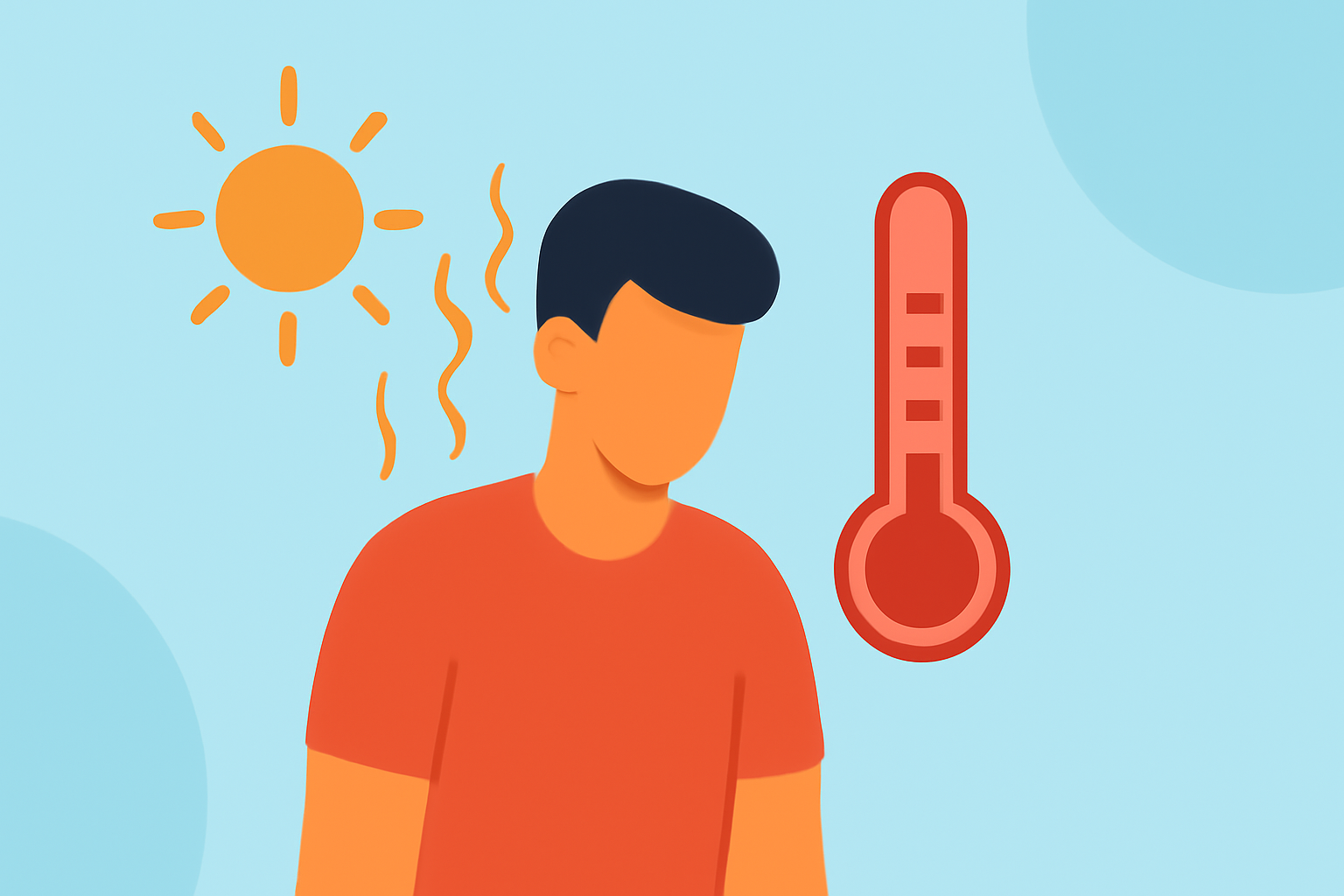
Heat waves are prolonged periods of abnormally hot weather, typically lasting more than two days. They can occur with or without high humidity and often cover large areas, exposing many people to hazardous conditions. Understanding heat waves and how to stay safe during them is crucial, as heat is the leading weather-related cause of fatalities in the United States. (weather.gov)
What Are Heat Waves?
A heat wave is characterized by unusually high temperatures sustained over an extended period. These conditions can be taxing on the body and may lead to heat-related illnesses. Heat waves can occur with or without high humidity and have the potential to cover large areas, exposing many people to hazardous heat. (weather.gov)
Risks Associated with Heat Waves
Extreme heat can lead to various health issues, including heat cramps, heat exhaustion, and heat stroke. Vulnerable populations such as the elderly, children, and those with pre-existing health conditions are at higher risk. Additionally, heat waves can impact infrastructure, leading to power outages and transportation disruptions. (weather.gov)
Recognizing Heat-Related Illnesses
-
Heat Cramps: Painful muscle cramps, usually in the legs and abdomen, accompanied by heavy sweating.
-
Heat Exhaustion: Symptoms include heavy sweating, weakness, dizziness, nausea, and fainting.
-
Heat Stroke: A severe condition with symptoms like high body temperature, hot and dry skin, rapid pulse, and confusion.
If you or someone else exhibits signs of heat-related illness, it's essential to seek medical attention immediately. (weather.gov)
Safety Measures During a Heat Wave
-
Stay Hydrated: Drink plenty of water and avoid alcohol and caffeine.
-
Stay Indoors: Remain in air-conditioned environments as much as possible.
-
Dress Appropriately: Wear lightweight, loose-fitting, and light-colored clothing to reflect heat and sunlight.
-
Limit Outdoor Activities: If you must go outside, do so during cooler parts of the day, such as early morning or evening.
-
Check on Vulnerable Individuals: Ensure that children, the elderly, and those with health conditions are safe and have access to cooling resources.
Understanding Heat Alerts
The National Weather Service issues heat advisories and warnings to inform the public about dangerous heat conditions. A heat advisory is issued when heat index values are expected to be 100°F or higher. An excessive heat warning is issued when heat index values are expected to be 105°F or higher. It's important to heed these alerts and take necessary precautions. (weather.gov)
Conclusion
Heat waves pose significant risks, but by understanding them and taking appropriate safety measures, you can protect yourself and others. Stay informed, stay cool, and stay safe during extreme heat events.
Highlights:
- Heat Safety and Preparedness
- During a Heat Wave
- Heat Cramps, Exhaustion, Stroke