
Heat Wave Basics: A Guide to Staying Safe During Extreme Heat
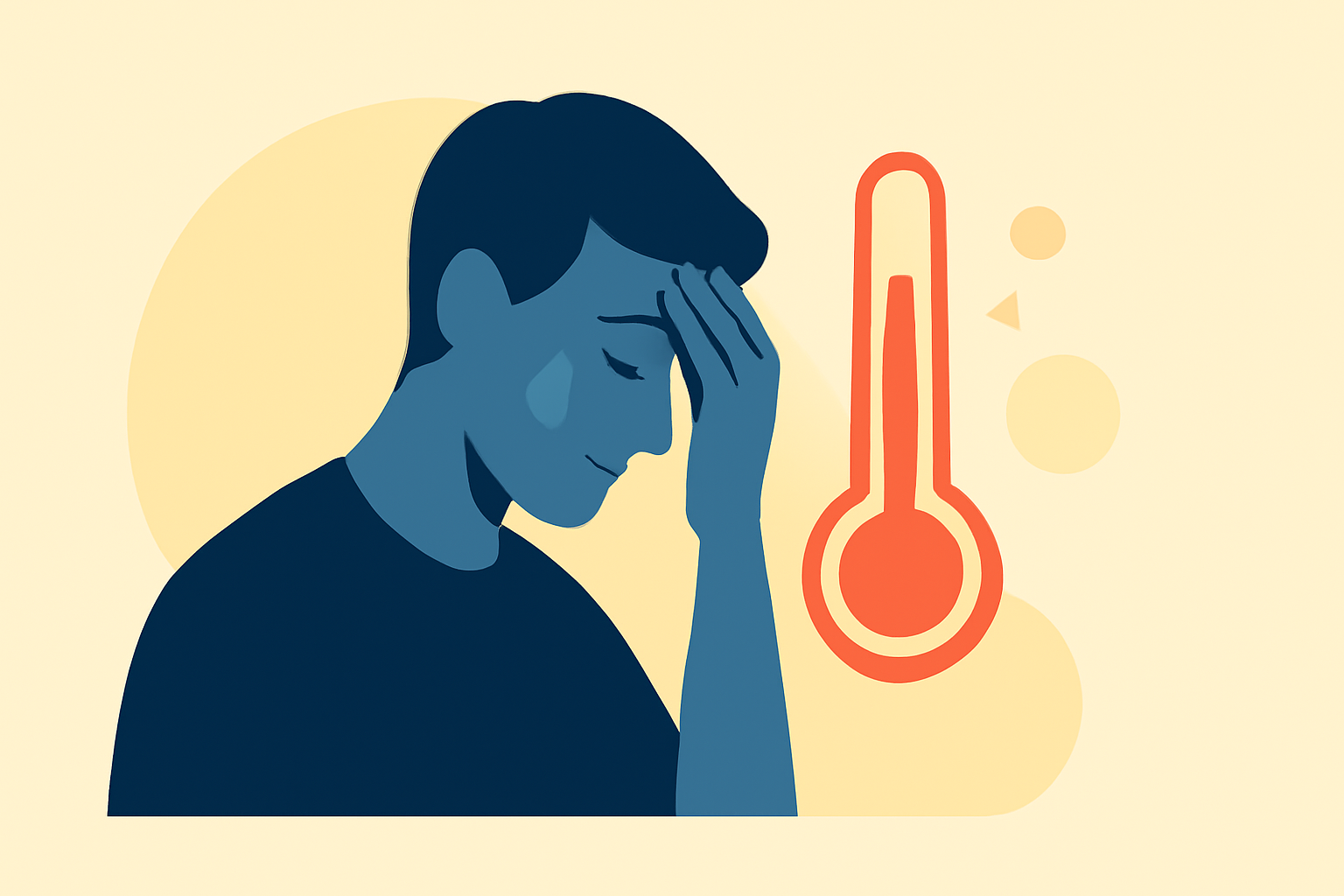
Heat waves pose significant health risks, especially during the summer months. Understanding how to stay safe during extreme heat is crucial.
What Is a Heat Wave?
A heat wave is a prolonged period of excessively hot weather, which may be accompanied by high humidity. These conditions can lead to serious health issues, including heat-related illnesses.
Why Are Heat Waves Dangerous?
Extreme heat can cause the body to overheat, leading to heat-related illnesses such as heat exhaustion and heat stroke. These conditions can be life-threatening if not addressed promptly.
Who Is Most at Risk?
Certain groups are more susceptible to heat-related illnesses, including:
-
Infants and children
-
Pregnant women
-
Adults over age 65
-
People with chronic health conditions
-
Individuals who work in hot environments
How Can You Protect Yourself?
Stay Cool:
-
Outdoors: Seek shade whenever possible, take regular breaks, and schedule outdoor activities during cooler parts of the day.
-
Indoors: Use fans if indoor temperatures are below 90°F; above this, fans may increase body temperature. Air conditioning is the most effective way to cool down. If you don't have air conditioning, consider visiting public places like malls or libraries. (cdc.gov)
Stay Hydrated:
-
Drink plenty of water throughout the day.
-
Limit beverages high in sugar, caffeine, and alcohol.
-
Monitor urine color; light yellow or clear indicates adequate hydration. (cdc.gov)
Recognize Heat-Related Illnesses:
Be aware of symptoms such as muscle cramps, heavy sweating, dizziness, headaches, and nausea. If you or someone else exhibits these signs, move to a cooler place, hydrate, and seek medical attention if symptoms worsen. (cdc.gov)
Monitor Local Heat Risk:
Use resources like the CDC's HeatRisk Dashboard to stay informed about heat risks in your area and take appropriate precautions. (cdc.gov)
How Can Clime Help?
Clime offers real-time weather updates and heat risk forecasts, enabling you to plan your activities safely during extreme heat events. By staying informed, you can take proactive steps to protect your health.
Conclusion
Heat waves are a serious concern, but with proper precautions, you can minimize health risks. Stay cool, stay hydrated, and stay informed to ensure your safety during extreme heat.
Highlights:
- Keeping Cool in a Heat Wave | Natural Disasters | CDC, Published on Wednesday, February 07
- During Hot Weather, Watch for Heat Illness | Natural Disasters | CDC, Published on Wednesday, February 07