
Understanding Heat Wave Notification Banners: A Guide to Staying Informed and Safe
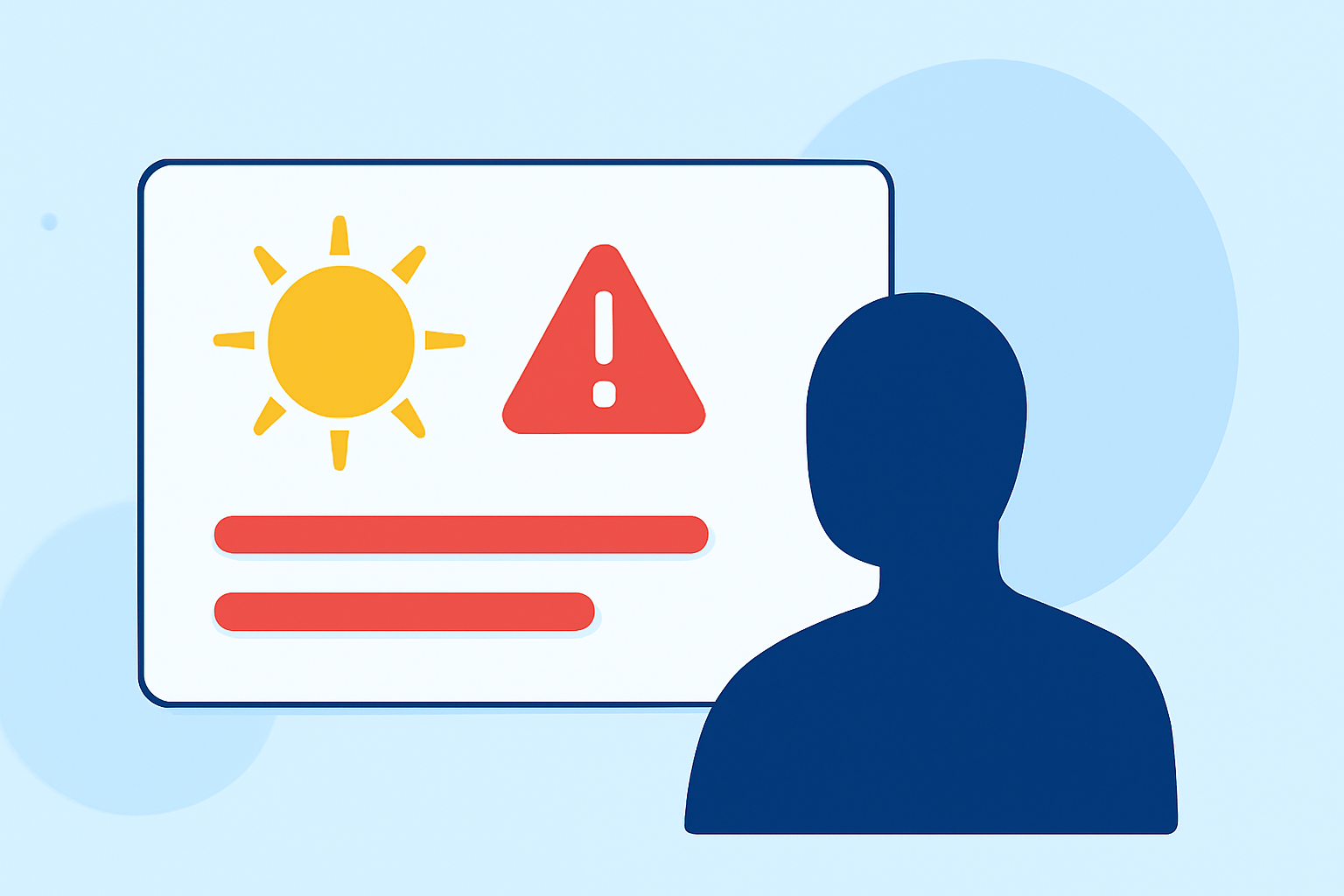
Heat waves pose significant health risks, making timely information crucial. Notification banners are essential tools that deliver real-time alerts about extreme heat conditions, helping individuals and communities take necessary precautions.
What Are Heat Wave Notification Banners?
Heat wave notification banners are visual alerts displayed on various platforms—such as websites, mobile apps, and digital signage—to inform users about impending or ongoing heat waves. These banners typically include critical information like the severity of the heat event, affected areas, and recommended safety measures.
Why Are They Important?
Heat waves can lead to serious health issues, including heat exhaustion and heat stroke. According to the National Weather Service, heat is one of the leading causes of weather-related fatalities each year. (weather.gov) Notification banners provide timely updates, enabling individuals to take protective actions, such as staying hydrated, avoiding strenuous activities, and seeking cooler environments.
How Do Heat Wave Notification Banners Work?
These banners function by integrating with weather alert systems to display real-time information. For instance, the National Weather Service issues various heat-related alerts, including Heat Advisories, Heat Watches, and Heat Warnings, each indicating different levels of heat risk. Notification banners receive these alerts and present them to users in an accessible format.
Clime's Role in Heat Wave Notifications
Clime offers a comprehensive weather alert system that delivers real-time notifications about severe weather events, including heat waves. By subscribing to Clime's alerts, users receive timely updates tailored to their specific locations, ensuring they are informed about heat risks and can take appropriate actions.
Best Practices for Heat Wave Safety
- Stay Hydrated: Drink plenty of water throughout the day.
- Limit Outdoor Activities: Avoid strenuous activities during peak heat hours.
- Seek Shade or Air Conditioning: Stay in cool environments to reduce heat exposure.
- Wear Appropriate Clothing: Opt for lightweight, loose-fitting, and light-colored clothing.
- Check on Vulnerable Individuals: Ensure that children, the elderly, and pets are safe and comfortable.
Conclusion
Heat wave notification banners are vital tools for disseminating critical information during extreme heat events. By leveraging Clime's advanced alert system, individuals can stay informed and take necessary precautions to protect themselves and their communities.
Highlights:
- A heat dome is covering regions of the US, triggering excessive heat warnings
- National Weather Service revamps Heat Watch and Heat Warning products
- Social Media: Heat Safety