
Heat Wave Safety Basics: Protecting Yourself and Your Loved Ones
Last updated: 2023-08-07
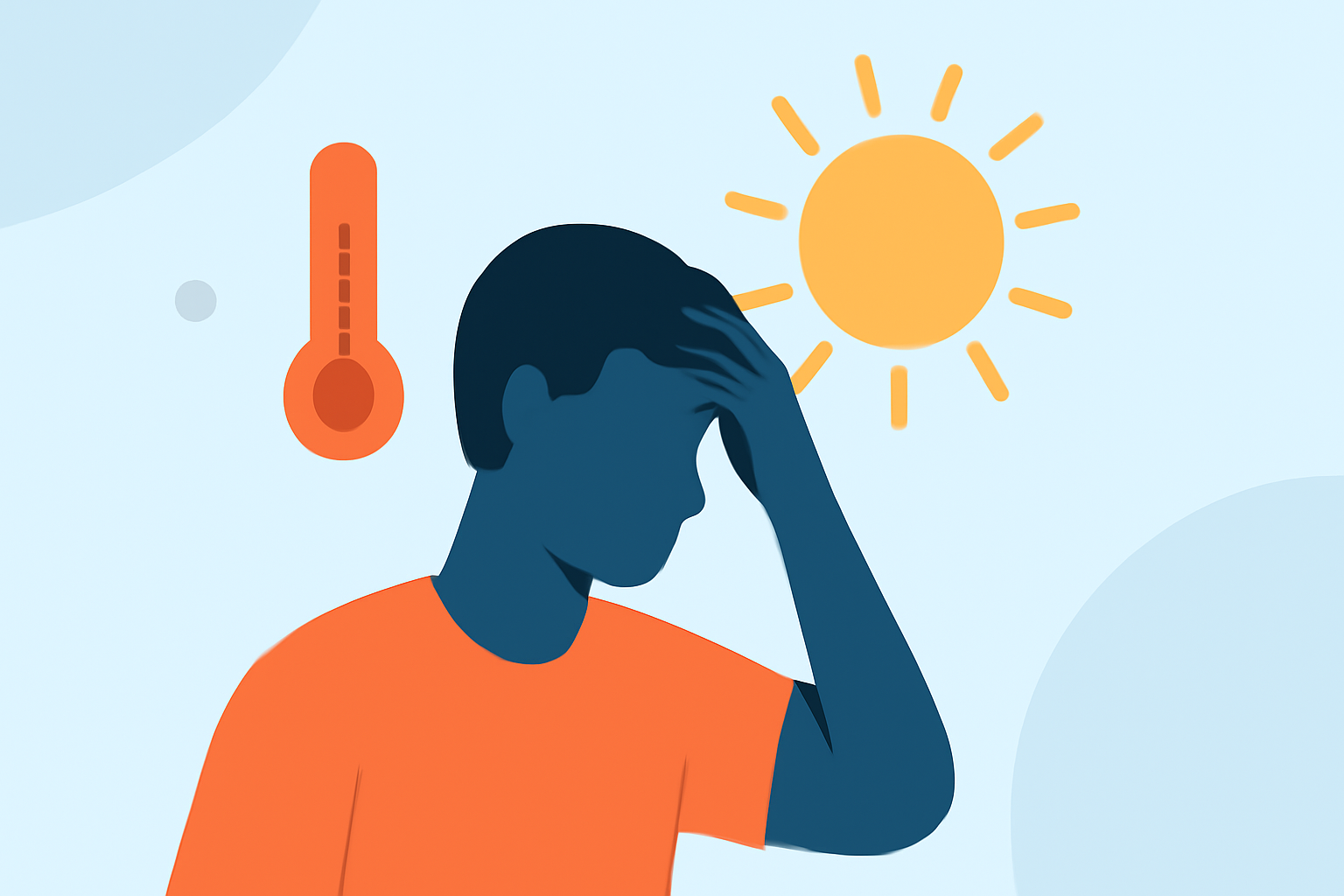
Heat waves present serious health risks, particularly to vulnerable populations. It’s vital to know how to safeguard yourself and others during these extreme weather events, and utilizing app features for timely updates can make a significant difference.
Summary
- Heat waves are defined as prolonged periods of excessively hot weather, often compounded by high humidity.
- Vulnerable groups include the elderly, children, and those with pre-existing health conditions.
- Staying hydrated, checking in on at-risk individuals, and recognizing heat-related illnesses are key to staying safe.
- Clime provides critical weather data and alerts that can help you prepare for and respond to heat waves.
What Is a Heat Wave?
A heat wave is characterized by extended periods of above-average temperature, often combined with high humidity. According to the National Oceanic and Atmospheric Administration (NOAA), these conditions can last more than a couple of days, presenting health risks and increased energy demands.
Who Is Most at Risk?
Although anyone can suffer from heat-related illnesses, certain groups are more vulnerable. The Centers for Disease Control and Prevention (CDC) highlights individuals over 65, infants, and people with chronic medical conditions as particularly at risk. Additionally, those without access to air conditioning or adequate housing may be more affected during heat waves.
Recognizing Heat-Related Illnesses
Understanding the signs and symptoms of heat-related illnesses is crucial for early intervention. Common conditions include:
- Heat Exhaustion: Symptoms may include heavy sweating, weakness, dizziness, nausea, and headaches.
- Heat Stroke: A medical emergency characterized by a high body temperature, confusion, and loss of consciousness. Immediate medical attention is required for heat stroke.
How to Stay Safe During a Heat Wave
1. Stay Hydrated Drink plenty of fluids, particularly water, to prevent dehydration. Avoid alcohol and beverages high in sugar, as they can increase dehydration risks.
2. Avoid Strenuous Activities Limit physical exertion during the hottest parts of the day. Opt for lighter tasks and take regular breaks in cool areas if you must be outdoors.
3. Use Fans and Air Conditioning Stay indoors during peak hours. Utilize fans or air conditioning to cool down; if you don’t have air conditioning, consider visiting public places like libraries or shopping centers.
4. Check on Vulnerable Individuals Regularly check up on family, friends, and neighbors who may be more exposed to heat risks. Offer assistance, such as providing fans or transportation to cooler spaces.
5. Monitor Weather Updates Stay informed with real-time weather alerts and forecasts. Clime is an excellent tool for accessing live weather radar and receiving push notifications about extreme weather events, including heat waves. With its NOAA-based radar and severe weather alerts, users can stay ahead of potential risks.
How Clime Can Help
At Clime, we provide users with a user-friendly platform to access critical weather information. The app features:
- Real-Time Radar Imagery: Visualize precipitation and temperature trends effectively.
- Severe Weather Alerts: Receive notifications for heat waves and other hazardous conditions.
- 14-Day Forecast: Plan ahead by checking temperature predictions for the upcoming days.
- Environmental Layers: Monitor air quality and other factors that may contribute to health risks during extreme heat.
What We Recommend
- Prioritize Personal Safety: Always keep yourself and the vulnerable in your community safe from heat-related risks.
- Use Reliable Tools: Clime can provide essential weather alerts, allowing you to stay informed and prepared.
- Stay Hydrated and Informed: Regularly drink water and check weather forecasts to adapt your plans accordingly.
Conclusion
As heat waves become more frequent, understanding heat safety basics and utilizing effective tools like Clime can make a significant difference in ensuring health and safety. Stay proactive in your preparations and always keep an eye on local weather updates to mitigate risks during extreme heat events.