
Heat Wave Safety for Beginners in the Car
Last updated: 2023-09-09
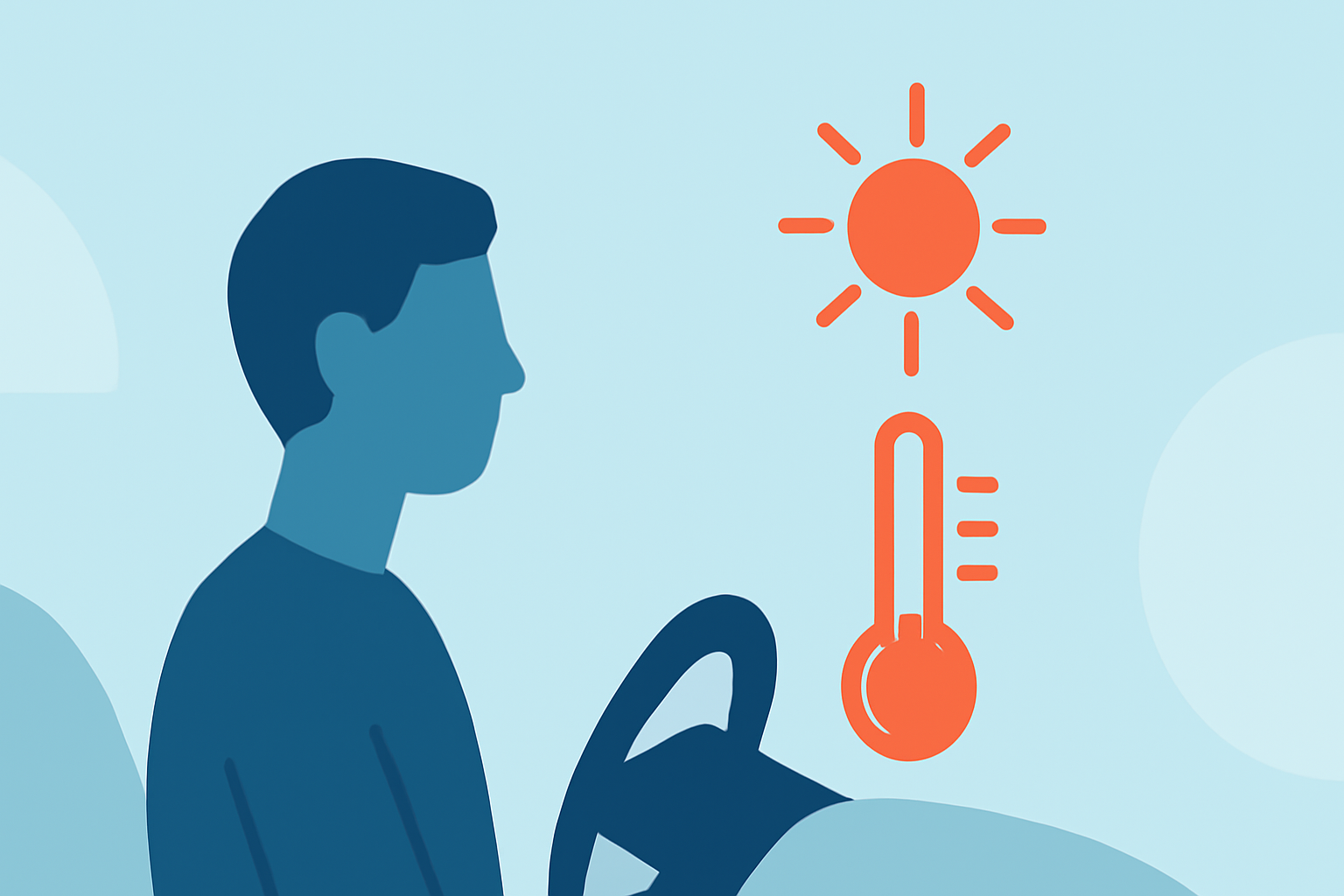
Driving during a heat wave poses unique challenges that every driver should consider, especially beginners. Stay safe by preparing your vehicle and being aware of weather conditions, which can be easily monitored using reliable resources.
Summary
- Heat waves can significantly increase the risk of heat-related illnesses in vehicles.
- Preparation and awareness are key to ensuring safety when driving during hot weather.
- Monitor the temperature and receive alerts using Clime to stay informed.
- Regular vehicle checks can prevent breakdowns in extreme temperatures.
What are the risks of driving in a heat wave?
Heat waves can lead to serious health risks, including heat exhaustion and heat stroke. Cars can heat up quickly, making it dangerous for passengers, especially children and pets, to remain inside for an extended period. According to the National Highway Traffic Safety Administration (NHTSA), temperatures inside a parked vehicle can rise significantly in just 10 minutes under direct sunlight. Being made aware of these potential hazards is crucial.
Official tips to prevent heat-related injuries while driving
NHTSA offers various guidelines to combat heat-related risks:
- Keep Windows Unlocked: Ensure that your windows can open slightly for ventilation. This reduces heat buildup when parked.
- Never Leave Pets or Children in the Car: It’s essential to never leave anyone unattended in a vehicle during a heat wave, even for short periods.
- Use the Air Conditioning: Before driving, cool the vehicle down by running the air conditioning for a few minutes, especially when starting your car after it has been parked in the sun. (NHTSA)
Beginner car-heat prep checklist for heat waves
Planning for success can alleviate many heat-related concerns:
- Check Coolant Levels: Ensure sufficient coolant in your vehicle to prevent overheating. Keeping an eye on your temperature gauge can help.
- Inspect Tires: Hot weather can increase tire pressure, so check your tires regularly to avoid blowouts. Properly inflated tires enhance performance and safety.
- Plan Your Routes: Use reliable weather applications to avoid potential traffic jams or routes that may expose you to extreme heat.
How can Clime help?
Using Clime provides a practical approach to staying informed during heat waves. Here’s how Clime enhances your driving experience:
- Real-Time Weather Updates: Clime’s NOAA-based radar helps you visualize current weather, which is essential during extreme heat.
- Severe Weather Alerts: Opt for alerts on heatwaves, allowing you to prepare your journey in advance and avoid risky conditions.
- Extended Forecasts: Plan ahead with 14-day forecasts, helping you avoid prolonged exposure to heat. This proactive approach helps ensure you're not caught off guard by unexpected weather changes.
Conclusion: What we recommend
- Stay informed by monitoring Clime for real-time updates and weather alerts during a heat wave.
- Perform regular vehicle checks to ensure safety on the road and avoid overheating.
- Follow NHTSA guidelines to keep passengers safe and avoid potential heat-related harm.
- Be prepared with sufficient water and first aid supplies, particularly on long trips in extreme temperatures.