
Heat Wave Safety Cheat Sheet for Pet Owners
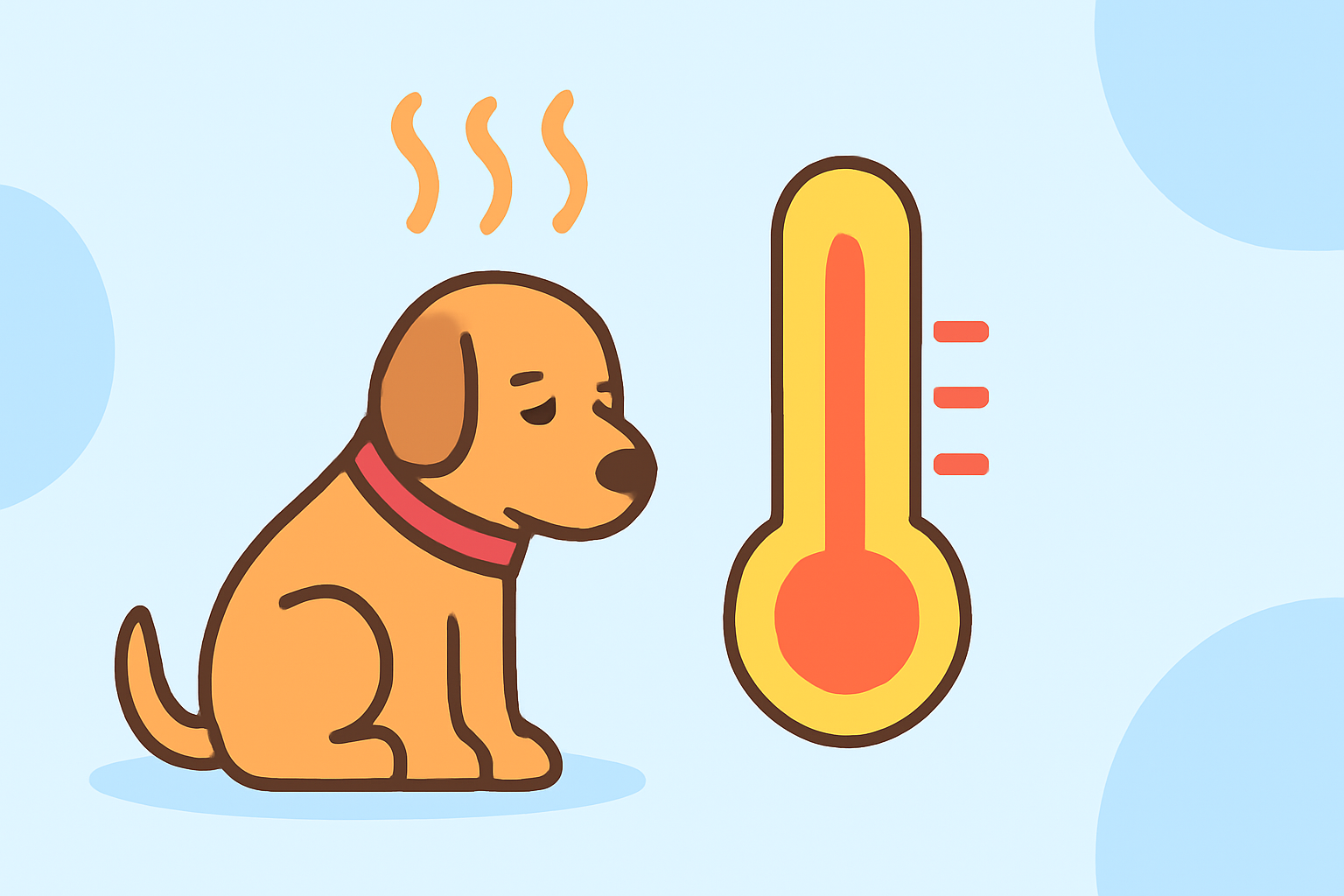
As temperatures soar during heat waves, it's crucial to ensure the safety and well-being of your pets. Unlike humans, pets cannot sweat to cool themselves, making them particularly susceptible to heat-related illnesses. Here's a comprehensive guide to help you protect your furry friends during extreme heat.
1. Why Is Heat Dangerous for Pets?
Pets, especially dogs and cats, are at risk of heat exhaustion and heat stroke when exposed to high temperatures. Unlike humans, they don't sweat to regulate body temperature; instead, they pant, which is less efficient in extreme heat. This makes them vulnerable to rapid overheating. (cdc.gov)
2. How Can I Keep My Pet Safe During a Heat Wave?
-
Provide Fresh Water: Always ensure your pet has access to clean, cool water. Dehydration can occur quickly in hot weather. (aspca.org)
-
Limit Outdoor Activities: Avoid walks and play during peak heat hours, typically between 10 a.m. and 4 p.m. Opt for early morning or late evening when temperatures are cooler. (petsmart.com)
-
Provide Shade and Cool Spaces: Ensure your pet has access to shaded areas and cool indoor spaces. If possible, use fans or air conditioning to keep indoor areas comfortable. (petadvocacy.org)
-
Protect Their Paws: Hot pavements can burn your pet's paws. Test the ground with your hand; if it's too hot for you, it's too hot for them. (axios.com)
-
Never Leave Pets in Cars: Even with windows cracked, temperatures inside a parked car can rise rapidly, leading to heat stroke. Always leave your pet at home if you need to run errands. (cdc.gov)
3. What Are the Signs of Heat Stroke in Pets?
Recognizing the symptoms of heat stroke is vital for prompt action:
-
Excessive Panting or Difficulty Breathing: Rapid, heavy panting is a common sign.
-
Drooling: Excessive salivation can indicate overheating.
-
Vomiting or Diarrhea: Gastrointestinal distress may occur.
-
Lethargy or Collapse: Weakness, disorientation, or sudden collapse are serious signs.
If you observe any of these symptoms, move your pet to a cooler area immediately and contact your veterinarian. (redcross.org)
4. How Can I Help My Pet Cool Down?
-
Cool Water: Offer your pet cool (not cold) water to drink.
-
Cool Compresses: Apply cool, damp towels to your pet's head, neck, and paws.
-
Airflow: Use fans to increase air circulation around your pet.
Avoid using ice or very cold water, as it can cause blood vessels to constrict, hindering the cooling process. (redcross.org)
5. Are Certain Pets More Vulnerable?
Yes, some pets are at higher risk during heat waves:
-
Brachycephalic Breeds: Dogs with short noses, like bulldogs and pugs, have difficulty breathing and are more prone to heat stroke.
-
Senior Pets: Older animals may have compromised health, making them more susceptible.
-
Overweight Pets: Excess weight can impair heat regulation.
-
Pets with Health Conditions: Heart or respiratory issues can increase heat sensitivity.
Extra caution is needed for these pets during extreme heat. (kiplinger.com)
6. How Can I Prepare for Future Heat Waves?
-
Stay Informed: Monitor local weather forecasts and heat advisories.
-
Create a Cool Environment: Ensure your home has shaded areas and cooling options like fans or air conditioning.
-
Plan Activities Wisely: Schedule walks and playtime during cooler parts of the day.
-
Groom Appropriately: Regular grooming helps maintain a healthy coat, but avoid shaving double-coated breeds, as their fur provides insulation. (petadvocacy.org)
By following these guidelines, you can help ensure your pet remains safe and comfortable during heat waves. Always consult your veterinarian for personalized advice tailored to your pet's specific needs.
Highlights:
- Extreme heat prompts early pet safety warnings, Published on Monday, March 23
- 6 tips to help your pet beat the heat, Published on Wednesday, July 27
- How to Keep Your Pets Safe During Extreme Heat, Published on Tuesday, July 18